
In this article, we will explore the importance of nurturing the Earth and adopting sustainable soil management practices to ensure the health of our soil.
Plants would talk a lot less about sunshine and a lot more about how great the soil is if they could.
Healthy soil is the unsung hero of every successful garden.
It works hard under our feet while we look at the flowers above. We at Good Garden Ideas think that learning how to take care of your soil is not only good gardening practice, but also an act of stewardship that pays off season after season.
You might think that only farmers or scientists need to know about sustainable soil management, but it’s very important for home gardeners too.
The way you take care of your soil affects everything that comes after it, whether you have a single pot of herbs or a whole vegetable patch.
The good news? It costs less to care for soil if you know how nature works than if you buy expensive products.
Why is Sustainable Soil Management Important?
Soil is a complex ecosystem that is home to billions of organisms, including bacteria, fungi, worms, and insects.
These living things are very important for keeping soil healthy because they break down organic matter, cycle nutrients, and make soil structure better.
Microbial life, organic matter, and good air flow are all things that make soil healthy. It keeps water, stores carbon, and gives plants a stable base to grow on.
On the other hand, bad soil health can cause a lot of problems for the environment.
Soil that has been damaged is less able to support plant growth, which means lower crop yields and less food security. It is also more likely to be damaged by erosion, compaction, and pollution.
Also, bad soil lets carbon escape into the air, which adds to greenhouse gas emissions and climate change.
Benefits of Sustainable Soil Management
We can improve soil health, grow more crops, and have less of an impact on the environment by using sustainable soil health management methods.
Crop rotation, cover cropping, conservation tillage, and composting are all examples of sustainable soil management. These things help the soil get more organic matter, improve its structure, and support a wider range of plants and animals.
One of the best things about managing soil in a way that is good for the environment is that it makes the soil more fertile.
Plants can easily get the nutrients they need from healthy soil. Farmers can cut down on the need for synthetic fertilizers, which can be bad for the environment, by keeping the soil fertile.
Sustainable soil management also helps keep water, stop erosion, and store carbon in the soil.
Before you try to fix your soil, you need to get to know it.
Different types of soil are used in each garden. Some are sandy and drain too quickly, while others are heavy and stick to things. Many are in between.
The first step in sustainable soil management is to watch. What happens to your soil after it rains? Does it dry out quickly or stay wet? Are plants doing well, having a hard time, or just getting by?
The texture of healthy soil is crumbly, it can hold moisture without getting too wet, and it is full of life, including worms, beetles, fungi, and tiny organisms that you can’t see.
These living parts aren’t problems that need to be fixed; they’re the answer. Soil is more than just dirt; it’s a living ecosystem.
Sustainable gardening doesn’t try to change the way your soil naturally works; it works with it. Over time, slowly improving the structure and fertility of the soil makes plants stronger and causes fewer problems.
Feeding the Soil, Not Just the Plants
One of the biggest changes in the way people think about sustainable gardening is this: feed the soil first, and the plants will take care of themselves. Synthetic fertilizers can work quickly, but they often don’t work with the soil ecosystem and can cause problems in the long run.
Taking care of soil in a way that lasts depends on organic matter.
Compost, well-rotted manure, leaf mold, and garden compost all add nutrients and make the soil better at holding water. They also feed the organisms in the soil, which in turn make nutrients available to plants.
Instead of yelling at your soil, think of compost as a slow, steady conversation. Adding things to the ground on a regular basis, even just a thin layer once or twice a year, can turn tired ground into rich, productive soil over time.
Why not digging as often can be a good thing
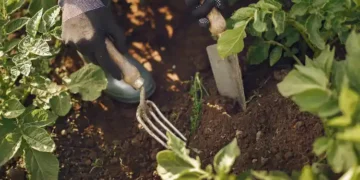
Turning over the soil is a rite of passage for many gardeners. But more and more, eco-friendly gardeners are choosing to “dig less.” That’s because digging changes the way the soil is structured, breaks up fungal networks, and puts microorganisms in situations they don’t like.
Not digging doesn’t mean ignoring. This means putting organic matter on top of the soil and letting worms and microbes mix it in for you. Over time, this makes the soil structure more stable, helps it drain better, and makes it less compact—all with a lot less work.
If full no-dig seems like a big step, start small. Don’t dig when the ground is wet; instead, try mulching beds instead of turning them over. Your soil life will be grateful in silence.
Mulch: The Soil Protector That No One Talks About
One of the easiest and best ways to take care of soil in a way that lasts is to use mulch. A layer of organic mulch, like straw, bark chips, compost, or shredded leaves, works like a blanket to keep things safe.
Mulch keeps the soil moist, keeps the temperature stable, stops weeds from growing, and stops erosion. It feeds the soil and makes it stronger as it breaks down. There isn’t much bare soil in nature. Mulching is like how forests and meadows protect their ground all year long.
There are different kinds of mulch for different jobs. Wood chips are great for trees and shrubs, and compost is great for vegetable beds. Being consistent is more important than being perfect.
See also: Mastering Mulching: Elevating Your Home Garden >
Watering with the health of the soil in mind
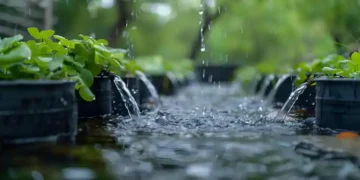
The health of water and soil are closely related. When the soil structure is bad, water runs off, puddles, and is wasted. Soil that is healthy and has a lot of organic matter in it acts like a sponge, soaking up water and slowly releasing it to plant roots.
Watering deeply but less often is what sustainable watering means. This helps roots grow down instead of staying near the surface. Watering plants early in the morning lowers stress and evaporation.
If you make your soil healthier, you won’t have to water it as often. It’s one of those rare times in gardening when less work leads to better results.
See also: Nourishing Nature: The Art of Watering Your Plants for Growth and Beauty >
The Strength of Plant Variety
Plants not only benefit from good soil, they also help make it. Plants interact with soil in different ways, sending different root structures and organic compounds into the ground. This variety feeds a wider range of organisms in the soil and makes the soil stronger overall.
Cover crops and green manures are great examples. Even in small gardens, planting legumes, grasses, or flowering plants in empty spaces protects the soil and adds nutrients. Roots keep soil together, stop erosion, and feed microbes even when you’re not actively harvesting.
Leaving roots in the ground at the end of the season, instead of pulling everything out, is also good for the structure of the soil and the amount of organic matter in it.
See also: Harnessing the Power of Native Planting >
Composting: How to Close the Loop at Home
Composting might be the heart of sustainable soil management. Composting kitchen scraps and garden waste closes the nutrient loop by putting nutrients back into the soil.
You don’t need a perfect pile of compost. Even basic systems like compost bins, piles, or worm farms can make useful things for your garden. Composting makes the soil better, increases the number of microbes, and cuts down on the amount of trash that goes to the landfill.
No matter how big your garden is, one of the best long-term ways to make the soil healthier is to use compost on a regular basis.
Staying away from chemicals that kill soil life
A lot of garden chemicals don’t just kill pests and weeds; they also kill organisms in the soil. Over time, this can make the soil less fertile and less able to handle stress, which means that gardens will need more outside help.
Sustainable soil care is more about stopping problems before they happen than fixing them. Plants that grow in healthy soil are stronger and more resistant to pests and diseases. When problems do come up, targeted, low-impact solutions help keep the larger underground ecosystem safe.
Even small changes, like pulling weeds by hand or attracting helpful bugs, make the soil healthier.
Taking care of the soil is a long-term relationship.
One of the most important things to keep in mind is that it takes time to improve soil. Sustainable soil management isn’t about making big changes all at once. It’s about doing small things over and over that make the soil stronger year after year.
Every layer of compost, every time you put down mulch, and every plant root makes the foundation stronger. Over time, gardening gets easier, the harvests get better, and problems happen less often.
We don’t think of soil as something to control at Good Garden Ideas; we think of it as something to take care of. When you take care of the soil under your garden, it gives back.
Plants that grow in healthy soil are healthy, and that’s where the fun of gardening really starts.
Common Questions About Soil Health
1. How can I improve soil health in my garden?
In your garden, you can improve soil health by adding organic matter, such as compost or manure, to the soil.
You can also plant cover crops, rotate crops, and avoid tilling too frequently. These practices help to build soil organic matter, improve soil structure, and promote beneficial soil organisms.
2. How does soil health impact food production?
Soil health is directly linked to food production. Healthy soil produces healthier plants, which in turn produce higher yields of nutritious food.
By maintaining soil health, farmers can increase crop productivity, reduce the use of synthetic inputs, and improve the quality of their produce.
3. What are the consequences of poor soil health?
Poor soil health can have a range of negative consequences, including reduced crop yields, increased erosion, and degraded water quality.
Degraded soil is also less able to sequester carbon, leading to higher greenhouse gas emissions. By neglecting soil health, we jeopardize our ability to feed a growing population and protect the environment.
Summary
Taking care of the Earth and using sustainable soil management methods are important for keeping our soil healthy and the planet’s future.
We can grow more crops, save water, and slow down climate change by making the soil healthy. We all need to take care of the Earth and its valuable resources so that future generations can enjoy them.
We can help the planet by managing soil in a way that is good for the environment in our own gardens, farms, and communities.
We can work together to make the food system more sustainable and strong so that it feeds both people and the Earth.
Let’s all work together to take care of the Earth and make sure that all living things have a healthy future.