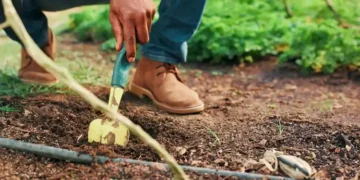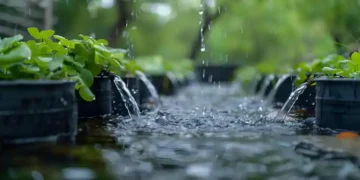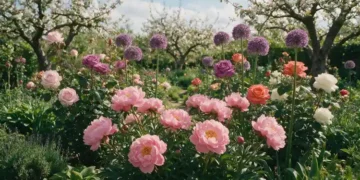
In this guide, we will explore the different types of mulch, their benefits, best practices for application, and answer some common questions.
When gardening, mulch is basically the best thing you can add to your outdoor space, and its benefits can be seen in just about every aspect of the process. Coming from a seasoned gardener, or a beginner, understanding the world of mulch is what takes your garden from average to great.
Mulch is an essential component of any thriving garden. Not just a simple layer of organic material, mulch offers a multitude of benefits that can transform your gardening experience, improve plant health, and elevate the aesthetics of your outdoor space.
What is Mulch?
At its core, mulch is any organic material that you apply to the surface of the soil.
It can be broken down into two forms: organic and inorganic.
Organic Mulch
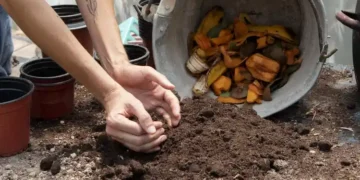
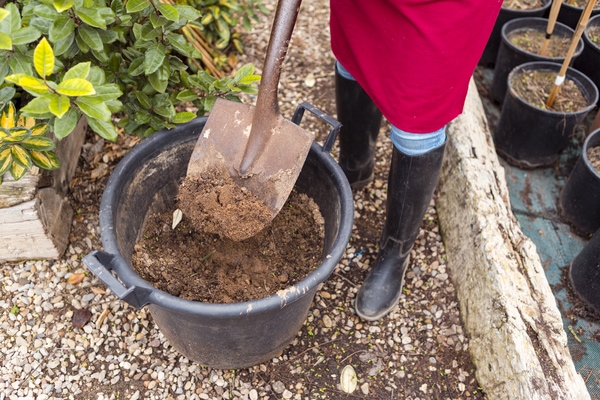
Organic mulches will decompose over time, and with the help of microorganisms, add a richness of nutrients to the soil.
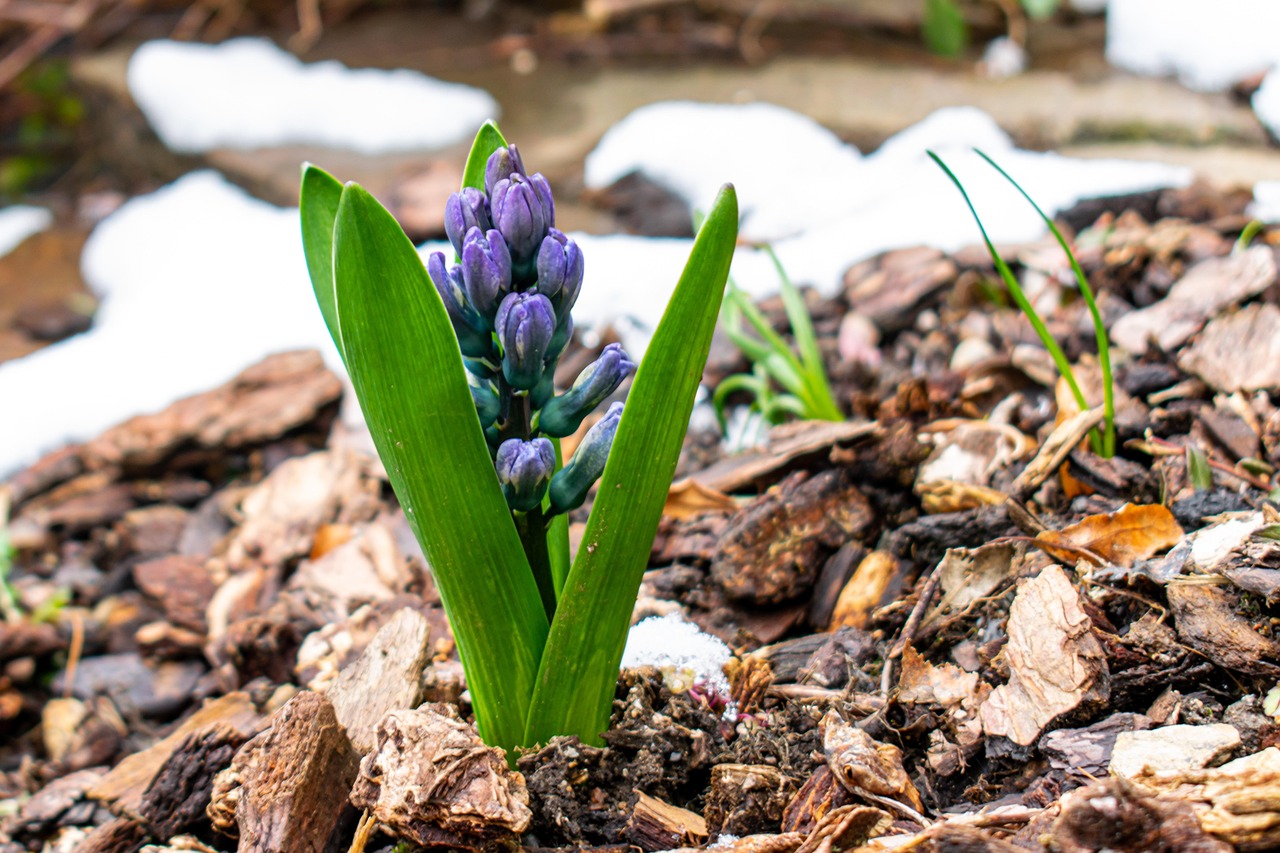
They could be wood chips and bark for adding a country touch to flower beds and areas around trees.
Straw is the best bet for vegetable gardens. It’s fantastic at warming up the soil and retaining moisture.
Grass clippings are very readily available and break down rapidly and contain lots of nitrogen.
Fallen leaves that have been shredded are excellent insulation and can be picked right from the ground in autumn.

Inorganic Mulch
Inorganic mulches won’t rot like organic ones do, however they still offer a lot of benefits, such as the ability to suppress weeds.
- Landscape Fabric: Helps control weeds while allowing air and moisture to penetrate.
- Stones & Gravel: Long-lasting, these materials are great for pathways and ornamental gardens.
- Rubber Mulch: Made from recycled tires, this durable option is excellent for playgrounds or low-maintenance gardens.
Benefits of Mulch
1. Moisture Retention
One of the key roles that mulch plays is retaining moisture, it acts as a barrier that means less watering for you, especially in the summer months.
Why it works is because the layer of mulch acts as insulation, protecting the soil from the heat and wind, and then by doing so reduces the rate at which the water evaporates, basically forcing your plants to get the steady supply they need to grow and thrive.
Plus, mulch also stops the top of the soil from hardening and cracking which makes it much more difficult for water to get down to the roots.
Now, not all mulches are created equal, organic ones such as straw, shredded leaves, clippings, and wood chips really knock it out of the park when it comes to retaining moisture.
They’re particularly great for vegetable beds and their lightweight formula won’t weigh down the soil.
Ornamental beds, on the other hand, can get away with bark or wood chips which add to the aesthetic appeal and still manage to lock in the moisture.
As organic mulches break down, they even improve the soil structure so that rainwater can seep in deeper.
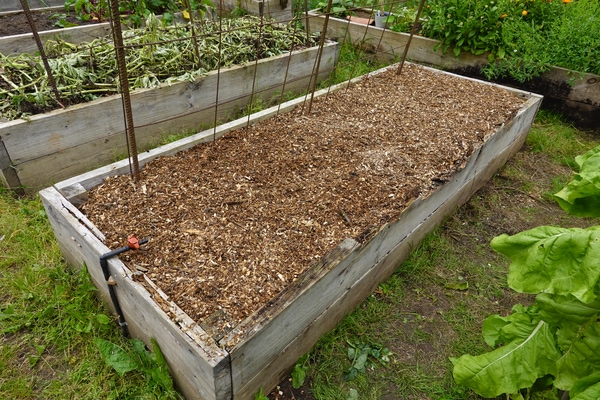
2. Weed Suppression
Weeds can be a constant nuisance. They compete with your plants for water, nutrients, and sunlight, and often leaving them to struggle. One of the most effective, and natural ways to combat weeds is by using mulch.
When applied in a layer 2 to 4 inches thick, mulch acts as a barrier between the soil and sunlight, halting the growth of weeds, which for the most part, cannot germinate and grow without light.
Organic mulches are highly effective in weed control, wood chips, straw, shredded leaves and compost are all good examples of this, plus they break down over time, boosting the soil.
Decorative beds and pathways can be covered with wood chips and bark which last well, vegetable gardens do better with straw and lawn clippings because they are lighter and simpler to spread out.
Mulch doesn’t just knock out weeds, it also brings a lot to the party, improving soil quality, saving water and balancing out the temperature of the soil.
Since it cuts down on the time you need to spend weeding, you can then focus on planting, harvesting and enjoying your garden, rather than fighting a losing battle with weeds.
3. Soil Temperature Regulation
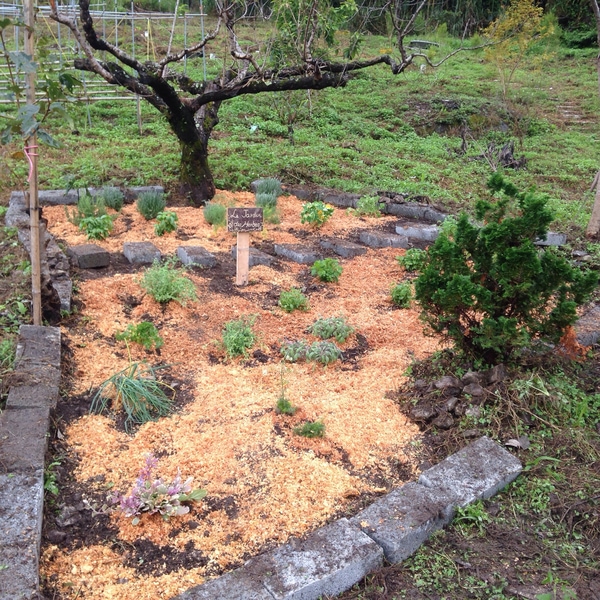
When discussing healthy plant growth, a stable soil temperature is key and can be severely affected by extreme heat or cold snaps. One of the simplest ways to control the temperature is by using mulch.
Mulch acts like a thermal insulating blanket over the soil, shielding the ground from the heat of the summer and frigid cold of the winter.
This not only regulates the soil temperature but as it decomposes also serves to enhance the soil and wood chips are perfect for landscaping, straw and leaf mold for vegetable gardens.
As a bonus mulch is basically preventing the soil from getting too hot or freezing, and sends stress levels plummeting in plants, while boosting their root systems. This all adds up to stronger, healthier plants and the ability to weather out the ups and downs of the seasons.
The addition of mulch is really a small step to take, and makes for a far more stable and balanced garden all over the year.
4. Nutrient Enrichment
In the case of creating a healthy garden, soil is everything, and mulch plays a massive role in building it. Beyond adding a tidy and manageable appearance, organic mulch is actually working hard to enrich the soil with each passing day.
When materials like straw, leaves, grass clippings or wood chips disintegrate, they send organic matter and essential nutrients back to the earth.
It’s a natural procedure that feeds the beneficial microbes, enhances soil structure and makes the soil more fertile, all of which happen gradually, unlike the short-lived kickstart that synthetic fertilizers provide.
One of the most nutritious types of mulches is compost, that’s basically a soil conditioner, and doubles as an incredible mulch.
Shredded leaves and grass clippings are quick to disintegrate and pour a lot of nitrogen and other minerals into the soil. Wood chips and bark, on the other hand take a bit longer, but add a really nice texture to the soil and steadily give out nutrients.
Nutrient-rich soil is what gives plants the strength and vitality they need to grow, yields higher in vegetable gardens and cuts the need for artificial fertilizers.
So, not only do organic mulches shield the soil surface, they’re laying the groundwork for years of healthy growth to come.
5. Aesthetic Appeal
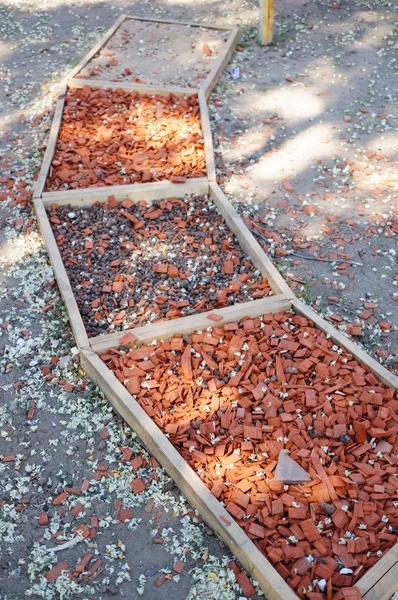
When considering the overall aesthetic of a well-maintained garden, garden mulch is one of the factors to keep in mind. It doesn’t just bring life to the soil, it also adds to the inviting and polished look of the landscape.
Applying mulch instantly cleans up garden beds, covering bare soil and creating uniform surfaces that beautifully frame the plants, and makes their colours and textures more vivid. The mulch also blends different sections of the garden together to provide a cohesive, professional look.
The type of mulch on offer presents a pleasant diversity and gives to the garden different forms of beauty.
Soft, natural wood chips and bark give a warm and charming appearance, while dyed mulches, which are available in black, brown or red, create daring contrasts against greenery and flowers.
For a softer, more organic look, shredded leaves or straw is the way to go, blending seamlessly into vegetable and cottage-style gardens.
Beyond its instant effects, mulch helps preserve the garden’s elegance through the seasons. It helps suppress weeds, retains moisture in the soil and reduces messy growth, and keeps the plants healthier by acting as an insulating shield for them.
Durable enough to put up against heavy rain, it stops soil erosion and doesn’t let beds become uneven, sending the owners scrambling to repair the damage.
Mulch is greater than simply a useful gardening tool, it’s a design element, and when chosen correctly can put the main feature of your plants front and centre, add texture and give your garden a spotless, deliberate look that can endure the passage of time.
6. Erosion Control
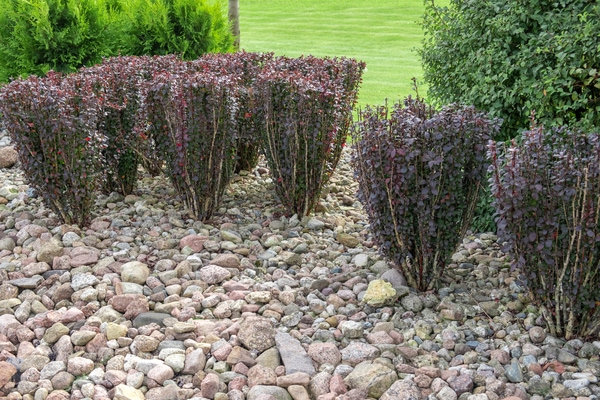
When looking to combat soil erosion, mulch is a go-to solution for gardeners and landscapers, especially for sloped areas or regions with heavy rainfall. Because as soil gets washed away, it takes all the good stuff with it, starving plants and affecting the long-term fertility of the land.
Well-known for forming a protective layer over the soil surface, mulch softens the impact of raindrops and chokes down the speed of run-off, reducing the chances that the top layer of soil gets dislodged.
Strong gusts of wind can be prevented from stripping the soil, and since plants’ roots are no longer exposed, they can keep their footing.
When it comes to the best kind of mulch for erosion control, organic options like wood chips, shredded bark, straw and leaf mold do the trick.
They get tangled together as they settle and create a rock-solid surface that won’t get washed away, and on sloping land, coarser materials like bark nuggets and wood chips are pretty effective too.
It’s really important to remember that, by preventing erosion, mulch is also saving the topsoil, locking in nutrients, and shielding the delicate roots of our plants.
7. Pest Control
For gardening, pests are an inevitable problem, but they don’t have to be the last word. Healthy soil and clever planting techniques can only get you so far, and that’s where mulch kicks in.
By picking the right kind of mulch and laying it out just right, you can create conditions that send the unwanted critters packing and welcome the good guys.
Mulch’s got a few tricks up its sleeve to repel pests. It builds a barrier between the soil and your plant leaves, making it difficult for crawling insects like slugs and beetles to get to the tender shoots.
Some organic mulches, such as cedar and cypress, even release oils that send these pests running.
Another thing that mulch does is keep the soil moist but not waterlogged, and this is what lots of pests hate, they don’t like damp bare soil.
Well-known as a great way to boost the health of your soil, mulch also brings in the good guys.
Earthworms and microbes that will outcompete, or even kill off, the pests that are doing the damage. Compost, specifically, is a fantastic mulch for attracting predatory insects that snack on garden pests.
When choosing a mulch for pest control, cedar, pine needles and cypress are the go-to varieties for repelling insects, and are less expensive than commercial synthetic pesticides.
Straw and leaf mould are less effective but they give you healthier soil that gives your plants the strength to fend off the pests. Thick layers of unshredded grass clippings are best avoided though, as they can be a breeding ground for pests.
How to Apply Mulch
Applying mulch may seem straightforward, but doing it correctly can maximize its benefits. Follow these steps for the best results:
1. Prepare the Area
In terms of getting the most out of your mulch, preparation is the key.
A well-prepared area is the foundation for effective moisture retention, weed control, and soil health, and by following the three simple steps of clearing, loosening the soil and watering the area, will also help to get mulch to work its magic.
Clear the area, removing all weeds, rocks and debris from the surface, pulling out weeds by the roots, as well as cultivating the top few inches of the soil for aeration and making water penetrate it more easily.
Then before adding mulch gives the soil a good soaking, moist soil creates a perfect environment for your plants, also sending the full force of the mulch’s benefits straight to the roots.
2. Choose the Right Mulch
When it comes to your garden, mulch is more than a finishing touch. It’s a tool that boosts soil health, cuts down on maintenance and gives a polished look to your outdoor space. When it comes to deciding what’s right for your garden, there are lots of types of mulch to choose from.
Well-known organic mulches such as wood chips, straw, shredded leaves, grass clippings and compost are broken down over time, feeding the soil with goodness and are great for vegetable beds, flower gardens, and anywhere else where the soil needs a bit of TLC.
Inorganic mulches, on the other hand, don’t rot down at all, they’re better suited for pathways, decorative features and low-maintenance gardens that need a lot of coverage over time.
Coming to the specific needs of your garden, if you’re building a vegetable garden, straw or shredded leaves are basically guaranteed to lock in moisture and break down rapidly, sorting out any soil problems.
Ornamental beds look fantastic with wood chips or bark, which provide a long-lasting, even finish. Steep slopes and areas that tend to get eroded call for something that’s going to stay put, coarse bark or wood nuggets do the trick perfectly.
Mulches can also add a touch of beauty to your garden. Coloured mulches in black, brown, and red knock out against the background of a garden, while natural options blend into the scene, creating a cottage-like feel.
3. Apply at the Right Time
Timing is everything, when mulching. The right application at the right time will keep your garden healthy, reduce weed growth and regulate soil temperatures.
Spring is the best time to mulch around perennials, vegetables and brand-new shrubs.
After the soil has warmed up and plants have started to grow, a 2 to 4 inch layer of mulch will save water, suffocate weeds and keep the soil at a pleasant temperature. Spring mulching also takes some stress off young roots and gives a pristine look to your garden beds.
Fall is the other time you really need to consider mulching, especially if you live in a place that gets freezing winters. If you apply a layer of mulch late in autumn, it’ll insulate your soil, shield roots from frost and stop the soil from heaving up and down when it freezes and thaws.
Organic mulches like straw, shredded leaves or bark break down over the winter and make the soil ready for the next spring’s growth.
Don’t mulch too early in spring though, the ground is still cold and soggy, and this will slow down the warming process and plant growth. Also, be sure not to pile the mulch right up against the stems or trunks of your plants, or you’ll trap moisture and invite disease, pests, and rot.
4. Correct Depth
Getting the depth just right is crucial to unlock its full potential, when applying mulch to your garden.
Coming in at 2 to 4 inches, this depth is the sweet spot for most garden beds, thin layers won’t be effective in suppressing weeds or retaining moisture, and too much can be deadly to the roots of your plants.
Make sure to leave a bit of space, a few inches from the stems of plants and the trunks of trees, so that moisture doesn’t build up against the base of the plant, rot and pest problems become a thing of the past.
Periodic checks and replenishments will also be necessary to maintain consistent coverage and kickstart the decomposition process.
5. Keep Mulch Away from Plant Bases
For mulching, the placement is everything. Coming into contact with the base of plants can cause mulch to trap moisture against the stems of trees, shrubs and perennials, encouraging rot, fungal growth and pest infestations, and stifling the growth of the roots.
Well-known problems arise when roots can’t get enough oxygen, and wet conditions are the worst possible scenario.
To get the most out of mulch, make sure there’s a 2-4 inch space between the mulch and the base of the plants. Build the mulch mound around the plant in a doughnut shape, so that the root zone can soak up all the goodness, but the stem doesn’t get covered. Regularly check and top up the mulch as it breaks down.
6. Replenish Regularly
Coming from nature, organic mulches will eventually break down, get squished, or washed away, leaving nothing much behind. Well-known for its water retention, weed control, temperature regulation and adding nutrients to the soil, mulch is an essential tool in any low-maintenance garden, and regularly replenishing it is the key to getting the most out of it.
When to replenish mulch is also worth considering, basically check on it every six months to see if it’s gotten too thin, and spring and autumn are the perfect times for adding more as they’re when your plants are growing the most and need a bit of protection from extreme temperatures.
When you do top up, gently rake the existing mulch to stop it from getting compacted, spread the new layer evenly, and keep it a couple of inches away from the stems of your plants and the trunks of your trees so that water doesn’t collect around them and causes rot.
Common Questions About Mulch
Q1: How often should I apply mulch?
Typically, you should refresh organic mulch every year or as needed based on its breakdown. Inorganic options like gravel or stones may require less frequent attention.
Q2: Can I use mulch in vegetable gardens?
Yes! Many gardeners use organic mulches, like straw or shredded leaves, in vegetable gardens. They help retain moisture, suppress weeds, and enrich the soil.
Q3: Does mulch attract pests?
While some organic mulches can attract pests, properly managed mulch won’t typically create a pest problem. If you notice an uptick in pests, consider switching your mulch type or improving garden hygiene.
Q4: Can I use old wood chips?
Old wood chips are still worth using, provided they’re pest-free and not too decomposed or compacted.
Q5: Is colored mulch safe for gardens?
Dyed mulch, or mulch that’s been colored, can be made from recycled materials and lots of dyes that are now safe, but it’s really up to you to check the manufacturer of the mulch you’re planning to buy.
Summary
Mastering mulch isn’t just about making your garden look nice, it’s about boosting its health and energy.
With an understanding of the kinds of mulch, their benefits and the best way to use them, you’ll be able to ensure that your home garden becomes a beautiful and vibrant space, and is capable of elevating your property.