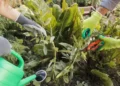
The right watering can is an absolute must-have, when caring for a garden. Whether you’re working with a small balcony garden or a sprawling backyard oasis, a good watering can is the key to keeping your plants healthy and thriving.
This comprehensive guide to watering cans, will cover the different types, materials and will take you through the techniques of its use and care.
Types of Watering Cans
There are several different types of watering cans available on the market, each designed for specific purposes and preferences.
The most common types include:
Traditional Watering Cans
Concerning watering your plants, a traditional watering can is the way to go – they’ve been around for centuries and still get the job done today.
Coming with a spacious handle for effortless carrying and a super long spout for exact watering, these cans are well-known for their practicality.
Traditionally made from heavy-duty materials such as metal or plastic, and available in a multitude of sizes to fit any requirement, the classic design is basically indestructible and won’t be going out of fashion anytime soon.
Plastic Watering Cans
Plastic watering cans are lightweight and affordable, making them a popular choice for beginners or those on a budget.
While they may not be as durable as metal cans, plastic watering cans come in a variety of colors and styles to suit your personal taste.
Decorative Watering Cans
For those looking to add a touch of style to their garden, decorative watering cans are the perfect choice.
These cans come in a variety of designs, from vintage-inspired to modern and sleek, and can be both functional and aesthetically pleasing.
Materials
When choosing a watering can, it’s important to consider the material it’s made from. The most common materials used for watering cans are:
Metal
Metal watering cans are durable and long-lasting, making them a great choice for heavy use.
They are resistant to UV rays and weather damage, making them ideal for outdoor use.
Plastic
Plastic watering cans are lightweight and easy to carry, making them a great choice for those with limited strength or mobility.
They are also less expensive than metal cans, making them a popular choice for beginners or casual gardeners.
Galvanized Steel
Galvanized steel watering cans are rust-resistant and can withstand harsh weather conditions, making them a good choice for outdoor use.
They are easy to clean and maintain, making them a practical choice for busy gardeners.
Tips for Proper Use
Proper use of a watering can is essential for ensuring your plants receive the right amount of water without causing damage.
Here are some tips for using your watering can effectively:
Watering Technique
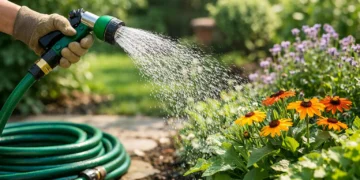
When watering your plants, aim to water at the base of the plant rather than on the leaves. This helps to prevent mold and disease from developing and ensures the roots receive the water they need.
Watering Frequency
Plants have different watering needs depending on their type and size. It’s important to research the specific watering requirements of each plant in your garden to avoid overwatering or underwatering.
Watering Time
The best time to water your plants is in the early morning or late afternoon when temperatures are cooler. This helps to prevent evaporation and ensures the water has time to penetrate the soil before the heat of the day.
Maintenance
To ensure your watering can lasts for years to come, it’s important to properly maintain it.
Here are some tips for keeping your watering can in top condition:
Cleaning
After each use, rinse out your watering can with clean water and allow it to air dry. This helps to prevent mold and bacteria from growing and ensures your plants receive clean, fresh water.
Storage
Store your watering can in a cool, dry place out of direct sunlight to prevent damage from UV rays. If you live in a cold climate, be sure to empty your watering can and store it indoors during the winter months to prevent cracking.
Repair
If your watering can becomes damaged or leaks, it’s important to repair it as soon as possible to prevent further damage. Most leaks can be fixed with a waterproof sealant or patch, while cracked or broken parts may need to be replaced.
Conclusion
A good watering can is an essential tool for any gardener, helping to keep your plants healthy and thriving.
By choosing the right type of watering can and following proper maintenance tips, you can ensure your garden stays beautiful and blooming all season long.
Whether you prefer a traditional metal can or a decorative plastic one, there are plenty of options available to suit your needs and preferences.
So invest in a quality watering can today and watch your garden flourish!