The Allure of Terracotta: A Brief History
We’re referring to a type of clay-based ceramic that has been around since the dawn of time, when we talk about Terracotta. The word itself is Italian for “baked earth”, and originates from the fact that terracotta is made from the earth, literally.
Terracotta has been a part of the architectural and artistic world since the times of the Romans and the Egyptians, who have long recognized its unique properties. The Romans used terracotta in public baths and buildings to control humidity and drainage.
Today, terracotta pots are celebrated not just for their functionality, but also for its aesthetic appeal and is becoming more fashionable, adding to either traditional and modern gardens.
Why Choose Terracotta Pots?
Terracotta pots are more than mere containers for plants; they offer various advantages that make them a wise choice for any gardener, whether novice or expert.
1. Breathability
In the case of garden staples, one of the things we love and can’t get enough of is the humble terracotta pot.
Earthy, effortless and simple, these warm clay containers not just add a beautiful touch to the patio, they also breathe, and send your plants into a state of pure happiness.
Well-known for its porosity, the terracotta pot can be likened to your plant’s personal ventilation system.
When you water, excess moisture is able to move through the pot’s walls and slowly evaporate, getting rid of soggy roots and fungal infections, and basically making your plant feel better. It’s also great for sending oxygen straight down to the roots of your plants, which lots of them adore.
Now, the perk of these breathable pots is they dry out faster than plastic or ceramic ones, and that can be a real problem. But for gardeners who tend to overwater or for plants that enjoy life on the dry side, this is a massive advantage.
2. Temperature Regulation
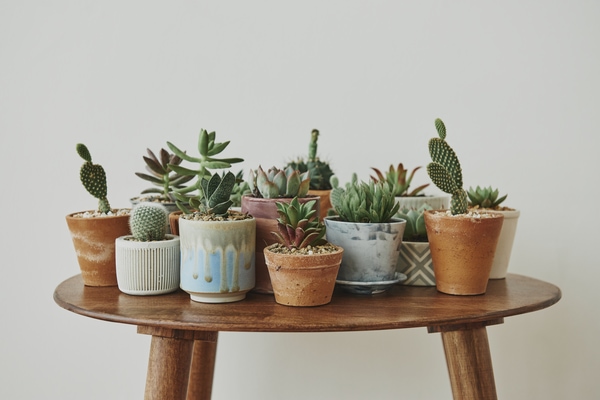
When you use a terracotta pot you’re essentially getting a soothing balm for your plants’ roots, because they love the natural temperature regulation that these classic pots are famous for, and for good reason, they’ve been pleasing gardeners for centuries.
Well-known for its porous baked clay, terracotta has a multitude of microscopic holes that allow the air and moisture to move in and out of the pot.
When the scorching sun heats up the soil, the water within the clay starts to evaporate and that creates a lovely cooling sensation, much like stepping out of a pool on a windy day. Your plant gets the botanical version of that sigh of relief.
When it’s chilly, terracotta has a backup plan too, its thick, earthy walls absorb and then gradually release the warmth of the sun into the soil, so that the temperature swings are much milder, and stress on your delicate plants is reduced.
Of course, because the terracotta dries out a lot faster, you’ll need to monitor the watering, especially in midsummer. But many people find that’s a small price to pay for the happy and thriving plants.
3. Aesthetic Versatility
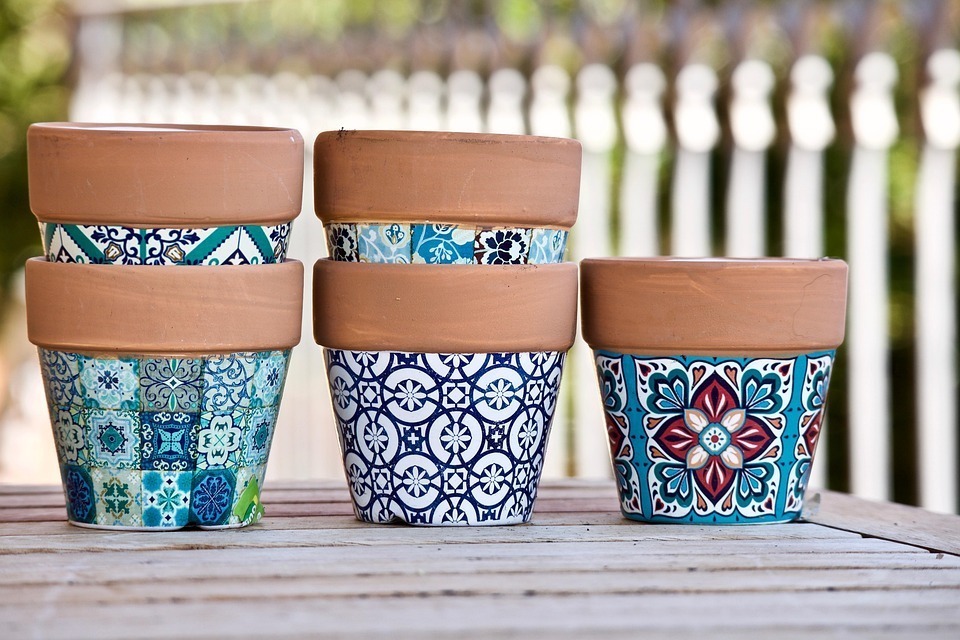
If there’s one garden accessory that never goes out of style, it’s the terracotta pot. Honestly, it’s the little black dress of the gardening world—simple, timeless, and endlessly adaptable.
Whether your vibe is cottagecore whimsy, sleek modern minimalism, or a Mediterranean courtyard straight out of a travel magazine, terracotta pots slip right in like they were made for the moment.
Part of their magic lies in that warm, earthy orange tone. It’s neutral without being boring, bold without shouting, and somehow manages to make every shade of green look even greener.
Terracotta works beautifully as a grounding element in busy, colorful gardens, but it can also be the star of a more muted, sculptural plant display.
Think a trio of chunky clay pots flanking your front door or a row of tiny terracotta minis showing off your favorite succulents.
And let’s talk shape and size—terracotta is delightfully democratic. From tall, elegant urns to squat herb pots to quirky animal-shaped planters (you know the ones), you can mix and match to your heart’s content. They create instant cohesion in a garden simply by sharing that same clay DNA.
Feeling creative? Terracotta also loves a good DIY makeover. You can paint it, stencil it, distress it, limewash it, or leave it to weather naturally into a gorgeous mossy patina. It’s one of the few garden materials that looks just as beautiful on day one as it does after a few seasons in the sun.
So whether you’re refreshing your patio or designing a whole new plant nook indoors, don’t overlook terracotta.
It’s classic, charming, and versatile enough to play along with whatever aesthetic adventure you’re dreaming up next.
4. Durability
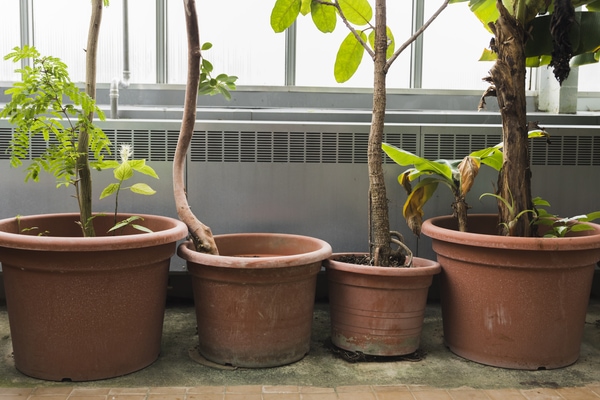
Looking at terracotta pots, they may seem like a delicate, earthy addition to any garden, but don’t let their charm fool you.
The reason that so many gardeners swear by them is because of their surprising durability, something that they owe to the extremely high-temperature firing process that gives them their sturdy structure.
Terracotta pots can withstand anything from scorching summers and gusty winds, to daily watering, and the occasional knock from a hose or a wandering pet. Coming from being lightweight, they aren’t flimsy, and can be moved around the garden easily.
The aging of terracotta pots is also one of its best features,.
Rather than fading, they develop a stunning weathered patina, that includes soft white mineral touches or mossy green patches that make a garden feel more than lived-in, but also beautiful. Each year adds a tiny bit to this character, turning every pot into a storypiece.
Now, to be fair, terracotta isn’t completely immune to freezing temperatures.
It can crack if left full of water, but with the tiniest bit of care, covering the pots over winter and ensuring they empty completely, they can last for many years.
Loads of gardeners have been using their terracotta pots for ten years or more, and they can be proud of them.
Common Questions About Terracotta Pots
As terracotta pots gain popularity, many gardeners have inquiries regarding their use and care.
Here are answers to some common questions:
Q: Do terracotta pots absorb water?
A: Yes, terracotta is porous and can absorb water, which helps improve aeration and drainage but may require more frequent watering.
Q: Can I use terracotta pots for all types of plants?
A: While terracotta pots are suitable for a wide range of plants, it’s essential to choose the right pot size and ensure it’s appropriate for the specific plant’s watering needs.
Q: How can I prevent my terracotta pots from cracking in winter?
A: To prevent cracking, consider bringing pots indoors during extreme cold or cover them with insulating materials like burlap or blankets when frost is expected.
Incorporating Terracotta Pots into Your Modern Garden
Terracotta pots have a timeless appeal that’s about to elevate your outdoor space, when designing your modern garden.
With thousands of years of proven results, terracotta has established itself as a versatile and striking element, blending perfectly with sleek lines in modern architecture.
In particular, if you can see a vibrant contemporary garden in your mind’s eye, terracotta can be your best ally: using its soft clay tones effectively reduces high contrast when juxtaposed with cool concrete steel, stone, or black-painted woods, calming and fusing rough lines.
Coming up against a sharp aesthetic from modern garden materials like concrete, steel or black-painted wood, doesn’t mean terracotta won’t work.
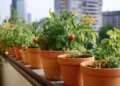
They can add warmth to your space without throwing off the style of your modern garden. A row of smooth cylindrical pots will beautifully tame harsh architectural lines and gives a warm welcome to the space. Team them up with metal furniture, concrete paving stones, and minimalist pergolas and you’ll be on the way to the picture-perfect garden.
Modern design is all about symmetry and repetition.
And identical terracotta pots can knock that home in a big way, same shape, same size, all arranged in a row down a pathway, front entrance or geometric grid on your patio. It’s a surefire way to turn rustic into modern.
If you want to go beyond repetition, mixing up the shapes of your pots can add real visual drama, think tall cylinders next to shallow bowls, square planters beside sleek tapered ones. But to stay on the modern path don’t get carried away, stick to similar earthy tones and streamlined looks.
Last but not least, the sort of plants you choose to go in your pots is basically as important as the pots themselves, so think modern, stylish pairings. With respect to modern outdoor spaces, there are a few design principles that can make your contemporary garden look effortless stylish.
Consider using architectural plants such as snake plants, agaves and yuccas, soft airy grasses, structural shrubs trimmed into spheres, and small olive or Japanese maple trees, which can be combined with terracotta pots.
These plants have been updated with a contemporary look so much so that they add an instant touch of class and modernity to the yard. 5
Bigger is often better in the world of modern design and large terracotta pots can take this rule into account, and will really stand out. Picture one big pot right next to a lounge chair or a group of them anchoring the corner of a patio.
Well-known modern gardens are all about simplicity and don’t clutter things up.
So why not pick one or two top-notch terracotta ideas that really catch the eye: a row of pots up against a wall, a minimalist cluster on a gravel bed, or a single statement pot by the door. Empty space isn’t something to be filled up, it’s basically part of the design.
By using the same terracotta pots inside and out, you’ll be able to make a smooth transition between your home and your garden, placing a pot next to a sliding door inside and matching it up with one on the patio, will really make it seem like they’re part of the same picture.
Weathered terracotta develops a soft, muted look that adds character to any area, so instead of seeing it as wear and tear, think of it as a beautiful part of your design that, in combination with modern materials, will add a lot of soul to your garden.
Caring for Terracotta Pots
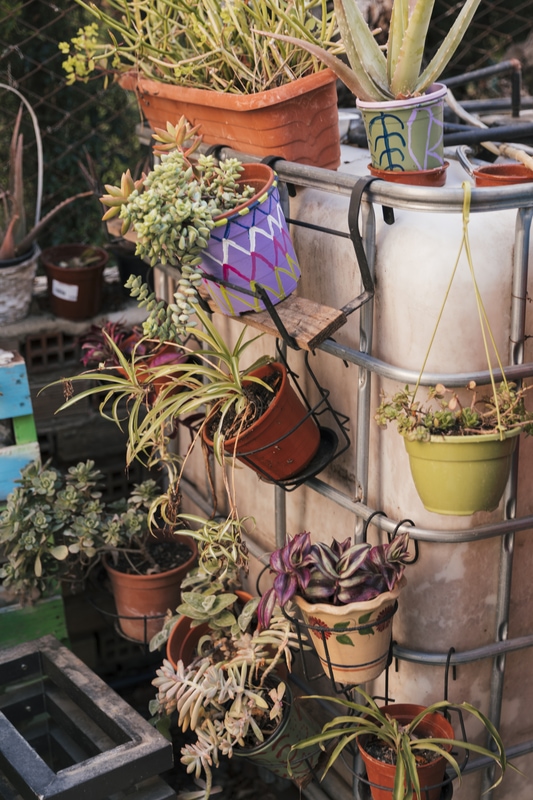
Regarding terracotta pots, they’re like the comfiest sweaters in the garden. Coming from the store, they’re warm and inviting, but over time, they may need a bit of TLC.
Well-known for being porous, terracotta is fantastic for draining excess water and allowing air to circulate, but this also means it’s prone to soaking up minerals and fertilizers, and those chalky white rings are all too common.
Luckily, terracotta care is as straightforward as a relaxing Sunday afternoon.
To get rid of the white stains, a simple clean is all that’s needed. Terracotta is basically porous, so water and air can pass through, but also allows roots to rot if the pot is waterlogged. Coming from the opposite direction, those tiny pores can soak up minerals and fertilisers, leaving behind the white marks we all know and loathe, but a soft clean now and then sorts that out just fine.
Give your terracotta pots a good soaking, submerging them in a bucket or sink for around thirty minutes will loosen any grime and mineral deposits. Next, a light scrub with a stiff brush will remove any remaining dirt, don’t scrub too hard though, gentle is more than enough. If there are any stubborn stains a 50/50 mix of vinegar and water does the trick.
And after a good clean, make sure your pots dry completely, terracotta loves airflow and hates being clogged up. For the care and maintenance of terracotta pots, a good way to keep them clean and ready for the next planting is to rinse them thoroughly and dry them out.
Terracotta’s biggest enemy is freezing temperatures, since water expands when it freezes, and can therefore crack the pot, but to prevent this disaster you can either bring empty pots into a shed or garage for the winter, or turn them upside down so that rainwater doesn’t collect inside.
Terracotta pots are often sealed to slow the loss of moisture, but this is not necessary, and you can choose to either seal or leave them unsealed. If you do decide to seal your pots it’s because your plants are very thirsty or summers are hot. If you want the breathability that terracotta is known for then don’t seal it.
Good drainage is another thing to think about, check that the bottom of the pot isn’t clogged up, and adding a layer of pebbles at the bottom will be welcomed by your plants. Coming from the factory, terracotta pots are sterile but they will gradually get more characterful, with a bit of moss here, a soft mineral coating there. Lots of people love this look, seeing it as a sign of a pot that’s been thoroughly used.
Well-known for their beauty and their longevity, terracotta pots will be your reliable companions in the garden for many years to come, and with a little care, will get even more attractive.
Summary
As we are looking to modernize our gardening we can’t help but turn to the classic terracotta pots.
Coming from a rich history, giving them a natural appeal and being incredibly practical makes them a top choice for anyone who wants to get their hands dirty and create a luscious outdoor space.
Well-known for their benefits, terracotta pots can add a bit of traditional charm to any garden, and by using them in a thoughtful way in your gardening projects, you can develop a landscape that brings together the essence of modern design and natural wonders.
Terracotta pots are an excellent way to elevate your garden.
Just add them in, and find out the beautiful marriage of elegance and functionality they bring to the world of gardening.