You’re not the only one who has gone outside with a cup of coffee to admire your carefully tended garden, only to find freshly dug soil, flattened seedlings, or a strange “present” where your carrots used to be.
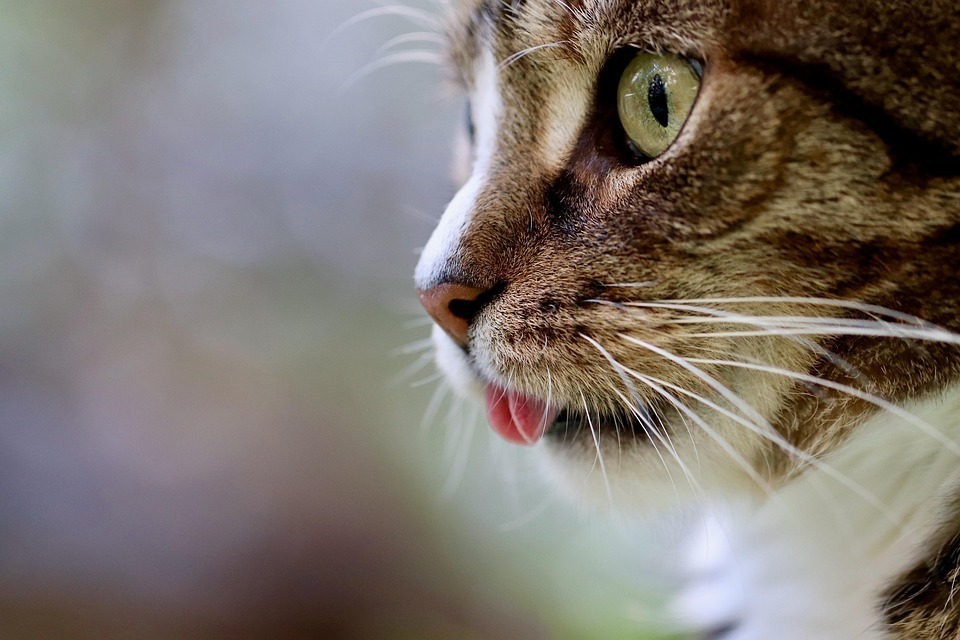
Cats are the uninvited guests that turn peaceful gardens into feline playgrounds for many gardeners.
Now, let’s be clear: this isn’t about disliking cats. Many of us at Good Garden Ideas are cat lovers ourselves.
But even the cutest neighbour with whiskers can make a mess when they think your raised beds are the best place to go to the toilet or your new borders are the best place to sunbathe.
Gardens, after all, are irresistible to curious paws: soft soil, warm stones, fluttering insects, and plenty of places to nap.
The challenge is finding ways to keep cats out of your garden that are effective, humane, and neighbour-friendly.
Shouting out the back door? Rarely works. Spraying with the hose? Temporarily satisfying, but not exactly practical.
And nobody wants to spend their gardening time locked in a territorial standoff with the local feline population.
The good news is that there are ways to keep cats out of your garden that don’t hurt them or mess up the natural balance of your garden.
You don’t have to turn your garden into a fortress to keep cats away. You can use smart planting choices, texture-based deterrents, subtle scent solutions, and simple layout changes.
We’ll show you real, useful ways to get rid of cats that work in this article. That way, you can enjoy your garden the way it’s meant to be enjoyed: peaceful, productive, and free of cats.
Why Cats Are Drawn to Your Garden
Before we talk about strategies, it’s important to know why cats might be drawn to your outdoor areas:
Natural Behaviour: Cats like to dig and scratch, which can hurt plants.
Territorial Instincts: Gardens may represent a territory to roaming cats.
Scent Marking: Cats mark their territory by scratching, leaving behind their scent.
Hunting Practices: Gardens can attract birds, rodents, and insects, making them ideal hunting grounds for felines.
Understanding these behaviors will help you implement more effective strategies to help keep cats out of your garden.
1. Create Physical Barriers
Putting up physical barriers is one of the easiest ways to keep cats out of your garden.
Here are some ideas:
Fencing Solutions
Cat-Proof Fencing: Put up a tall fence with barriers that face outward on top. This can make it hard for cats to get over.
Chicken Wire: Bury a small section of chicken wire around the base of your garden to disrupt cats’ digging.
Garden Netting
Using garden netting can prevent cats from entering certain planting areas while allowing sunlight and rain to nourish plants. Pick netting with small holes to keep cats away but let good bugs through.
2. Utilize Natural Deterrents
There are many natural ways to keep cats away that won’t hurt them or your plants.
Plant Cat-Repellent Herbs
Some herbs can keep cats away because of how they smell.
Add these plants to your garden:
Lavender: Most cats don’t like the strong smell.
Rosemary: The robust aroma can also act as a deterrent.
Coleus Canina, also called the “Scaredy Cat Plant,” smells bad to a lot of cats.
Citrus Peels: Cats are often repelled by citrus scents. Scatter orange or lemon peels around your garden to create a natural barrier.
3. Incorporate Texture
Cats are creatures of habit, and their behavior can be influenced by the textures they encounter. Changing the surfaces of your garden might keep cats away.
Mulch and Gravel
Cats may not like walking on materials with sharp edges, like gravel or wood chips. Make sure they are distributed around areas of the garden you wish to protect.
Motion-Activated Sprinklers
Installing motion-activated sprinklers can surprise and deter cats from entering your garden. The sudden burst of water goes off when it detects movement, which can effectively scare cats away.
4. Utilizing Technology
Incorporating technology into your gardening strategy can provide innovative solutions to keep cats at bay.
Ultrasonic Deterrents
Ultrasonic devices emit sounds that are unpleasant to cats but inaudible to humans. These devices can be placed around the perimeter of your garden.
Smart Cameras
Installing cameras can help you monitor and identify problem areas. You can quickly act when you see cats entering your garden.
5. Smell Deterrents
Cats have a strong sense of smell, and certain scents can drive them away.
Cat Repellents for Sale
Think about getting some cat repellents from a garden centre. Many of these products are designed to be safe for plants and pets.
Vinegar and Essential Oils
Spraying vinegar or essential oils, like peppermint and eucalyptus, can deter cats due to their pungent aromas. Ensure that any essential oils used are safe for pets.
6. Train Neighborhood Cats
If you find that cats from the neighborhood frequently invade your garden, attempting to train them may be a viable strategy.
Use of Positive Reinforcement
While it may seem challenging, positive reinforcement can train neighborhood cats to avoid your garden. Reward them when they stay away, using treats or a clicker for reinforcement.
Inform Neighbors
Talk to your neighbors about keeping their cats indoors or providing indoor play options. This collaborative approach can minimize feline forays into your garden.
7. Creating a Cat-Friendly Alternative
Offering cats something else to do is one way to make your garden less appealing to them.
Designate a Cat Area
If feasible, create a designated area in your yard for cats. Incorporate elements like scratching posts, catnip plants, and cozy hideaways. With a designated area, they may be less inclined to invade your garden.
8. Regular Garden Maintenance
Keeping your garden well-maintained can discourage cats and other animals.
These are some tips:
Remove Food Sources
Keep your garden free from fallen fruits, seeds, or any other food sources that may attract cats. Regularly clean and prune to maintain a tidy appearance.
Keep Plants Healthy
Healthy plants are less enticing to cats than those that look neglected or offer easy access. Ensure you water, prune, and maintain your garden regularly.
9. Community Involvement
Engaging with your local community can provide long-term solutions to the problem of cats in your garden.
TNR Programs
Look into Trap-Neuter-Return (TNR) programs that may address the feral cat population in your area. By reducing the number of unspayed and unneutered cats, your garden could be less attractive to strays.
Reaching out to the community
Host discussions or informational sessions in your neighborhood about responsible pet ownership. Educating your community reduces the likelihood of cats roaming freely in areas where they may cause trouble.
Frequently Asked Questions
What are the most effective barriers to keep cats out of a garden?
Physical barriers such as high fences or chicken wire, coupled with textured surfaces like gravel, are highly effective.
Can I use chemical repellents?
While chemical repellents can deter cats, opt for natural or pet-safe alternatives to avoid harming wildlife or other animals.
How long will it take to see results?
Results may vary depending on the methods employed and the cats in your area. Consistency is key; you may notice changes within a few weeks.
Will these methods harm the cats?
Most strategies are designed to be humane and discourage rather than harm cats. Always prioritize safety for both the plants and any animals.
Summary
Keeping cats out of your garden doesn’t have to be a challenging task.
By implementing a combination of physical barriers, natural deterrents, and community involvement, you can enjoy a flourishing garden free from feline interruptions.
Each method offers unique advantages, and when used in conjunction, they create a comprehensive strategy that minimizes cat intrusions while promoting a healthy garden environment.
By understanding the natural behaviors of cats and applying these effective strategies, you can keep your garden both beautiful and cat-free.
Remember, patience and persistence are essential components in your efforts. Happy gardening!