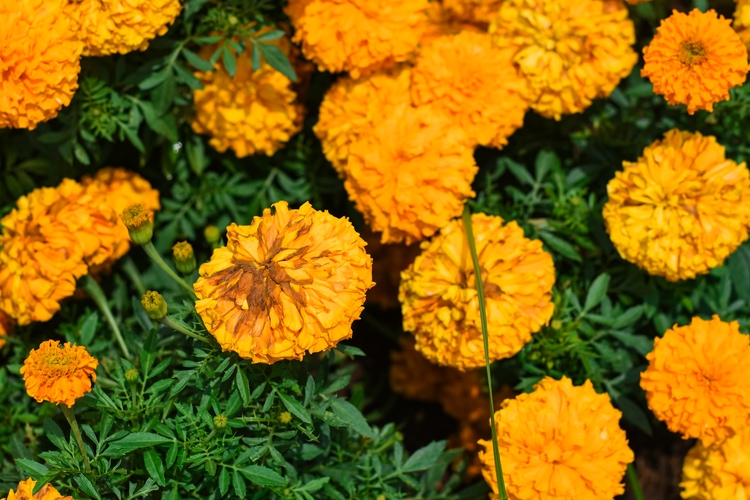
Marigolds, with their vibrant hues of orange, yellow, and red, are more than just eye-catching garden additions. Marigolds have a functional purpose.
As repellents, these flowers have been known to keep garden pests away. The high appeal of marigolds makes them highly attractive to pollinators in the garden.
This guide will cover everything you need to know about growing marigolds.
Answering your most common questions, and sharing invaluable tips to make sure that your marigolds flourish.
What Marigolds Are and Their History
1. Understanding Marigolds
When looking at the world’s gardens, it’s hard not to be drawn to the sunny disposition of marigolds. These flowers are so versatile and beautiful, with their vibrant orange, yellow, and gold blooms, spreading out their warm and soothing scent to uplift the spirits.
Coming from Central and South America, marigolds belong to the sunflower family, Asteraceae family, and are highly prized for their strong scent and capacity to repel pests.
The main types of marigolds found in gardens are the African marigold (Tagetes erecta), the French marigold (Tagetes patula), and the Signet marigold (Tagetes tenuifolia).
Their ability to repel many garden pests, feed insects with their edible petals, and release calming oils in the air, make marigolds an ideal ornamental, but as one who’s passionate about edible gardening you also use them, turning them into colours and decorations for your food.
The extracts of marigolds are used in beauty products, herbal medicine and making natural dyes.
2. Brief History and Symbolism of Marigolds
Marigolds are well-known for their deep historical roots. The Aztecs who were the first to cultivate them, believed the flowers were magical, healing and protective. They used them in religious rituals, medicines and ceremonies that were for their gods.
When the Spanish explorers arrived in the New World, they took the seeds of the marigolds back to Europe, and it didn’t take them very long for the flowers to become popular for their rich colour and low upkeep.
Coming to Africa and Asia from Europe, marigolds are now an essential part of Indian culture, and in India they’re known as “genda phool” and get used in celebrations, weddings and religious ceremonies.
The yellow colour that they come in represents purity, wealth and something divine. Around temples, homes and altars during the Diwali and other celebrations, garlands of marigolds are the norm.
In Mexico, marigolds are called cempasúchil and are especially important on the Day of the Dead, when they’re believed to guide the spirits of loved ones back to the world of the living with their lovely appearance and heavenly scent.
Why Grow Marigolds?
1. Vibrant Beauty with Minimal Effort
A marigold is basically the ultimate low-maintenance option, and delivers an explosion of vibrant color that can’t be beat, when growing a garden.
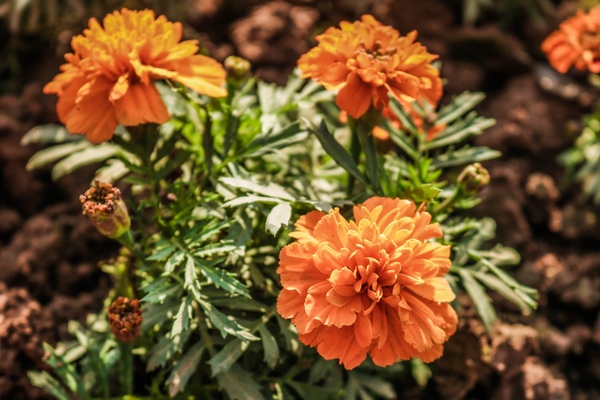
Coming in shades of gold, orange and yellow, these flowers light up the place and their long flowering period means that you’ll have months of colour.
Plus, they’re ridiculously easy to grow, requiring full sun, can handle terrible soil and don’t need much watering once they’re established, making them perfect for new gardeners.
2. Natural Pest Control
One of the biggest selling points of marigolds is their natural ability to keep pests at bay.
Their strong scent will send away common garden pests like aphids, nematodes and whiteflies and lots of people plant them near their tomatoes, peppers and beans as a protective barrier, plus they bring in friendly bees and butterflies that will boost the overall health of your garden.
Learn more about Conquering the Peskiest Garden Pests >
3. Soil Health and Companion Planting
Some varieties of marigold, especially the French marigold, send out chemicals that knock out soil-based problems, so they’re fantastic as a companion plant in veggie patches. Their roots also clean the soil, making it a nicer place for the rest of your crops to grow in.
Learn more about Companion Planting >
4. Cultural and Medicinal Value
Well-known for their cultural significance, festivals and rituals around the world celebrate the beauty of marigolds, and they’ve even been used in traditional herbal remedies for skin conditions and inflammation.
Different Marigold Varieties
If you’re looking for the ultimate addition to your garden marigolds come to mind, and for good reason.
With their vibrant orange, yellow, and gold hues they add a stunning touch of warmth, positivity and abundance, but what many don’t know is that marigolds are also very resilient and functional, they’re basically invincible to most conditions.
Understanding the different types of marigolds will let you pick the perfect one for your garden, whether you want it for its beauty, to repel pests, or to be a companion to other vegetables.
1. African Marigolds (Tagetes erecta)
Well-known as Aztec marigolds or American marigolds, African marigolds are the tallest, boldest variety, shooting up to 3-4 feet high, and produce massive, double-layered flowers in shades of bright yellow, orange and gold.
2. French Marigolds (Tagetes patula)
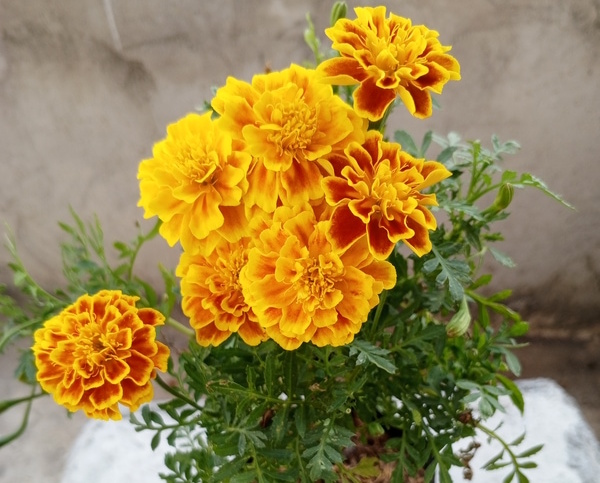
Coming in at around 6 to 18 inches in height, French marigolds are shorter and more compact than their African cousins and are famous for their never-ending and gorgeous blooms in the colours of orange, red, and yellow with mesmerising bi-colored patterns.
As a go-to for gardeners, French marigolds are known to send away nematodes, aphids, whiteflies and even mosquitoes.
They’re so good at this that many gardeners plant them with tomatoes and peppers, and cherish them for their vibrant colours and pungent fragrance, making them not only lovely, but practical.
3. Signet Marigolds (Tagetes tenuifolia)
Signet marigolds are a must for gardeners who want a delicate and airy effect. They have very fine, lacy foliage and tiny, single-layer flowers which look great in the garden.
You can eat the petals of signet marigolds, and they’re sweet and citrusy, basically adding a lovely pop of colour to salads and desserts.
Signet marigolds are relatively low-growing plants that reach around 12 inches tall.
They’re best suited to rock gardens, borders, herb gardens and culinary use.
Well-known for their bright yellow, gold and tangerine flowers, Signet marigolds can be the epitome of hardy, requiring very little care, because they can thrive in scorching heat and dry conditions, and are less susceptible to disease.
4. Triploid Marigolds (Hybrid Varieties)
The triploid marigolds, being a cross between the African and French types, present beautiful large, long-lasting flowers that won’t fade quickly and are quite resistant to the elements, plus they are essentially sterile, so they won’t produce seeds.
Coming in at medium height, 12 to 20 inches, they are perfect for garden beds and large-scale landscaping.
One of the main perks of triploid marigolds is that they do exceptionally well in hot and rainy conditions, and their colours remain vibrant right through the growing period.
5. Desert Marigolds (Baileya multiradiata)
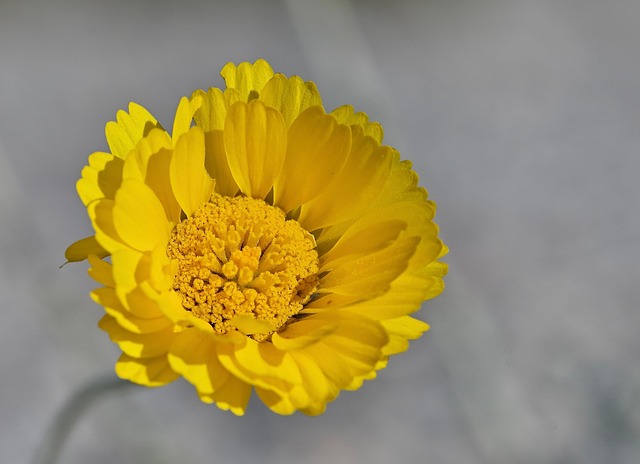
Desert marigolds, although not a true Tagetes species are a mention-worthy wildflower that is native to the south western United States and northern Mexico and can manage with extremely dry soil. Their daisy-like flowers inject a lovely splash of colour to arid landscapes.
Choosing the Right Marigold for Your Garden
- For large, bold color: Go with African marigolds.
- For compact and continuous blooms: Choose French marigolds.
- For edible and delicate flowers: Try signet marigolds.
- For reliable hybrids: Triploids are your best bet.
- For dry climates: Desert marigolds are perfect.
Marigolds are basically all-purpose, bringing visual appeal, serving as a pest repellent, and lifting the spirits of anyone who looks out their window, and since they’re so adaptable, low-maintenance and full of cheerfulness, they’re one of the most popular flowers that gardeners love.
Growing Conditions
Climate
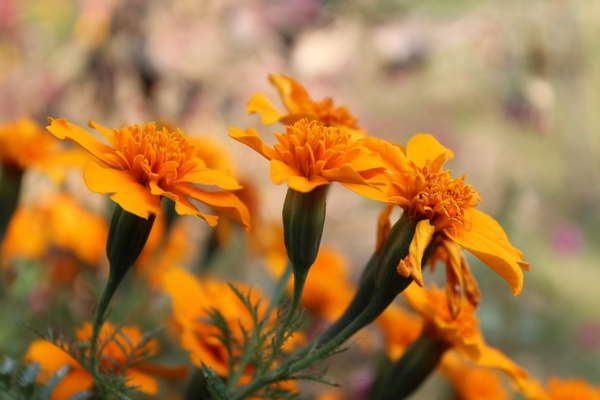
The ideal climate for marigolds, which is found in their South American origins, is the primary reason their bright hues and fragrances fill up backyards, but you can get them to flourish in practically any area you live in, given the right care.
Temperature-wise, marigolds love the warmth, and thrive in temperatures between 70°F and 85°F (21°C–29°C).
Six hours of direct sunlight every day will be all they need to give you a showy display of flowers.
Since they can be a bit chilly, in cooler areas, they can be started indoors six to eight weeks before the last frost, and then transferred outside, when the danger of frost has passed.
In the tropics or the subtropics they will basically bloom all year round if they get enough sunlight.
Well-known for not being able to handle frost, even the mildest of frosts can ruin them, however in scorching heat, some afternoon shade will stop them from getting wilted and scorched.
People living in areas with lots of humidity need to make sure there is good airflow around their marigolds so that fungal diseases such as powdery mildew don’t take hold.
Coming from two different parts of the world, African marigolds and French marigolds have different preferences.
African marigolds are absolutely thriving in dry heat, while French marigolds are more suited to humid conditions.
Soil
When growing marigolds you’ll want to use well-draining, moderately fertile soil. Coming from a slightly acidic to neutral soil pH, around 6.0 to 7.0 is perfect for these flowers. Heavy clay or waterlogged soil can cause the roots to rot, especially if overwatering is a problem.
Learn more about the importance of soil testing >
Well-known ways to improve the soil before planting include loosening the soil down to 6-8 inches and mixing in compost or aged manure to add in the necessary nutrients, and if you’re growing marigolds in containers, a light potting mix with excellent drainage is the way to go, anything else can cause the roots to rot.
Fertilizing marigolds is not something that they require, and too much nitrogen will just cause leaf growth at the expense of blooms, so a balanced, slow release 10-10-10 fertilizer given just at planting time does the trick.
If you prefer liquid fertiliser, use it every four to six weeks through the growing season.
Watering
Getting the watering right is the key to growing healthy marigolds.
They can tolerate a bit of drought, but consistent moisture will see them growing steadily and flowering beautifully.
When watering, water them deeply but not too often, letting the top inch of soil dry out between waterings, and in really hot weather they’ll probably need watering two to three times a week.
Container grown marigolds need daily watering because pots dry out much faster than garden soil.
Overwatering is the most common mistake people make when growing marigolds.
It leads to root rot and fungal problems, so make sure to check the soil before adding more water. When watering, it’s best to water right at the base of the plant, not over the leaves, and laying down a layer of mulch will stop the soil from drying out and weeds from growing.
Drought-tolerant marigolds can survive short periods of dry weather, but will see a reduction in flowering if the drought goes on for too long, monitor your plants closely and give them a drink as soon as they start to wilt.
Learn more about The Art of Watering Your Plants >
Planting Marigolds
Starting from Seeds
For planting marigolds from seed, you can’t go wrong. These flowers are easy to grow, have beautiful bright blooms, and repel pests naturally. Whether you’re a beginner or a seasoned gardener, starting marigolds from seed is a great idea and very cost-effective when done at the right time and with the right conditions.
Marigolds love the warmth and need to be started 6 to eight weeks before the last frost date or directly sown in the ground when all the frost has gone and the soil is at a pleasant 65 degrees Fahrenheit.
Most people plant marigolds in late spring. Well-known for their rapid germination, marigolds take about 5 to seven days to sprout under warm conditions.
When it comes to planting, choose a spot that gets at least six hours of sunlight, and for container gardening, use a well-draining potting mix.
Loosen the top few inches of the soil, add compost to improve drainage and fertility, scatter the seeds about a quarter inch deep and cover them up with a light dusting of soil. The soil should stay consistently moist but not soaked, and within a week or so, your marigolds will be growing, and will be at their best.
Requiring thinning to 6 to 12 inches apart when they’re roughly 2 inches high.
Transplanting
Once seedlings have at least two sets of true leaves, they can be transplanted outdoors. Space them 6 to 12 inches apart, depending on the variety, to allow for air circulation.
Direct Sowing
If sowing directly in the garden, plant seeds about 1/4 inch deep and keep the area moist until germination.
Caring for Marigolds
Fertilization
While marigolds don’t require a lot of fertilizer, you can apply a balanced, water-soluble fertilizer every month to encourage healthier blooms, especially if your soil is lacking nutrients.
Deadheading
To promote more blooms and prolong the blooming period, regularly deadhead spent flowers by pinching them off at the base. This encourages the plant to focus its energy on producing new flowers.
Pest and Disease Management
While marigolds are resistant to many pests, they can sometimes be targeted by aphids or spider mites. Use insecticidal soap or neem oil for minor infestations. Prevent fungal diseases by ensuring good air circulation and avoiding overhead watering.
Common Questions About Growing Marigolds
How often should I water my marigolds?
Water marigolds deeply about once a week, allowing the soil to dry out between waterings. If the weather is particularly hot or dry, you may need to increase frequency.
Why are my marigold leaves turning yellow?
Yellowing leaves can be a sign of overwatering, nutrient deficiency, or inadequate sunlight. Ensure your marigolds are receiving at least 6 hours of sun and adjust your watering schedule accordingly.
Can I grow marigolds indoors?
Yes, marigolds can be grown indoors in pots, provided they receive enough light. A sunny windowsill or grow light can help ensure they thrive.
How do I collect marigold seeds?
Once the flowers fade and seed heads form, allow them to dry on the plant. Once dry, simply harvest them and store them in a cool, dry place for future planting.
Marigolds and Companion Planting
Marigolds make excellent companion plants for vegetables such as tomatoes, peppers, and squash.
Their repellent properties can help deter pests that typically target these plants.
Additionally, their quick growth can provide ground cover and help suppress weeds.
Summary
Plus the fact that they can be used in so many different ways in the garden, when growing marigolds you’ll be rewarded with their vibrant colours and very low upkeep.
Well-known as being easy to care for, you’ll have the best chance of getting your marigolds to bloom by learning about what they need, and giving it to them, basically, lots of sunlight, regular watering and well-drained soil.
From novice to expert, growing marigolds is a great way to kick-start your gardening journey, and will bring a smile to your face with its lovely results.