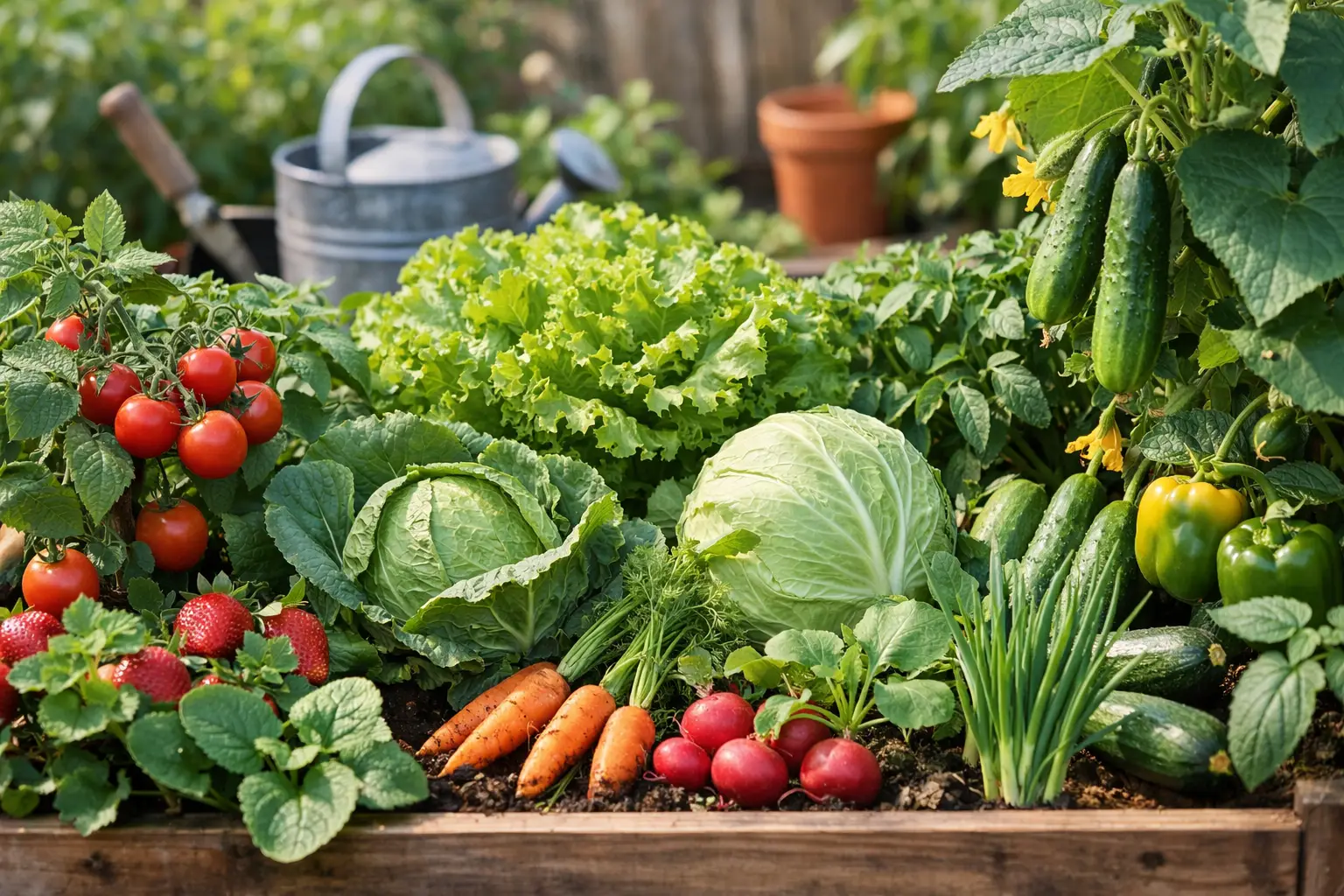
A small garden can produce a surprisingly big harvest when every plant earns its space. The best vegetables for small gardens are not necessarily the biggest producers on paper.
They are crops that grow upward, mature quickly, keep producing after you pick them, or fit neatly between slower plants.
That is great news for a sunny patio, a compact raised bed, or even a few containers by the back door.
See also: A Step-by-Step Guide to Building a Raised Bed Garden >
Rather than trying to grow one of everything, choose vegetables your household actually enjoys eating and match them to the sunlight and space you have.
A little planning can turn a modest plot into a fresh, colorful kitchen garden.
What Makes a Vegetable Right for a Small Garden?
In a large garden, a sprawling squash vine or a long row of potatoes can make sense. In a small space, those same plants can crowd out several other crops.
Productive gardening is less about filling every inch on planting day and more about keeping the space growing from spring through fall.
Look for vegetables with one or more of these strengths: they grow vertically, can be harvested repeatedly, mature in a short time, or stay compact.
Also consider how much sun your garden receives. Fruiting plants such as tomatoes, peppers, cucumbers, and beans generally need at least six to eight hours of direct sun.
Leafy greens and many root crops can still perform well with four to six hours.
12 Best Vegetables for Small Gardens
1. Leaf Lettuce
Leaf lettuce is one of the easiest vegetables to tuck into a small garden. It grows quickly, takes little room, and lets you harvest a few outer leaves at a time instead of pulling the whole plant.
This cut-and-come-again approach keeps salads coming for weeks.
Sow a small patch every two to three weeks in spring and again in late summer for an extended harvest.
In hot climates, give lettuce afternoon shade or grow it in a container that can be moved when temperatures climb.
2. Radishes
Radishes are the quick win every new gardener deserves. Many varieties are ready in about three to four weeks, making them perfect for filling bare spots while slower vegetables get established.
Their small footprint also makes them useful for marking rows of carrots or beets, which germinate more slowly.
See also: Secrets to Thriving Radish Gardens >
Grow radishes in cool weather for the crispest roots. If they sit too long in warm soil, they can become woody or spicy, so harvest promptly.
3. Bush Beans
Bush beans stay compact and produce heavily without a trellis. They are a strong choice for raised beds, square-foot gardens, and larger containers, especially when you want a dependable summer crop without extra structure.
Pick beans often to encourage more flowers and more pods.
For a longer season, sow a short new row every few weeks until midsummer. Avoid planting them too early, since bean seeds prefer warm soil.
4. Pole Beans
If you have a fence, trellis, teepee, or balcony railing, pole beans may be even more efficient than bush beans.
They use vertical space instead of spreading across the bed, and a few plants can produce for a long stretch of summer.
The trade-off is that pole beans need sturdy support from the beginning.
Place the trellis before planting so you do not disturb young roots later.
A simple bamboo teepee works beautifully in a small garden and adds height to the view.
5. Cherry Tomatoes
Large slicing tomatoes can be worthwhile, but cherry tomatoes often make more sense in a tight space.
They usually produce abundantly, ripen steadily, and are easy to snack on straight from the vine. Choose compact patio, determinate, or dwarf varieties if your growing area is especially limited.
Give each plant a large container or about two square feet of bed space, along with a cage or stake.
Tomatoes are hungry plants, so use rich soil, water consistently, and avoid crowding them. One healthy cherry tomato plant is usually more useful than three stressed plants packed together.
6. Peppers
Sweet and hot peppers have a tidy, upright habit that suits small beds and containers.
A pepper plant may not look dramatic early in the season, but once warm weather arrives, it can provide a steady supply of colorful fruit without taking over the garden.
Peppers need warmth, sun, and patience.
Start with nursery transplants if your growing season is short.
Harvesting ripe peppers encourages the plant to keep setting fruit, although leaving some sweet peppers to fully color on the plant gives you richer flavor.
7. Cucumbers on a Trellis
Cucumbers can be space hogs when allowed to sprawl, but they become excellent small-garden vegetables when grown vertically.
A trellis keeps vines off the ground, improves air circulation, and makes the fruit easier to spot before it becomes oversized.
Look for compact or patio varieties, particularly for containers. Keep the soil evenly moist to help prevent bitter fruit, and harvest frequently.
A cucumber that hides for one extra week can suddenly be the size of a baseball bat.
8. Kale
Kale is both productive and attractive, with textured leaves that bring a lush look to edible beds.
Like leaf lettuce, it can be harvested from the outside in, allowing one plant to provide leaves over a long period. It also tolerates light frosts, making it valuable for spring and fall gardens.
Give kale enough room for airflow, especially in humid regions. If cabbage worms appear, inspect the undersides of leaves regularly and remove them by hand before they become a bigger problem.
9. Swiss Chard
Swiss chard earns its place in a small garden because it is useful, beautiful, and remarkably long-lasting.
Its stems may be white, red, orange, pink, or yellow, giving an ornamental feel to containers and borders. The leaves cook like spinach but tolerate summer heat much better.
Harvest a few outer stalks at a time and leave the center intact. With regular picking and watering, a small planting can stay productive for months.
10. Carrots
Carrots do not need much above-ground space, which makes them ideal for small plots.
They are especially good in deep containers, where you can control the soil texture. Loose, stone-free soil is the secret to straight, well-shaped roots.
Choose shorter varieties for shallow beds or pots. Thin seedlings early so the remaining carrots have room to size up. It can feel wasteful at first, but crowded carrots stay skinny.
11. Green Onions
Green onions are one of the most practical crops for gardeners who cook often. They grow close together, mature quickly, and can be slipped into spaces along bed edges.
You can also regrow the rooted ends of store-bought scallions in water briefly, then plant them in soil for another round of green tops.
Plant seeds or sets in small batches for a steady supply. Their upright form pairs nicely with lettuce, carrots, and radishes without shading them.
12. Zucchini, With a Plan
Zucchini is famously productive, but it deserves a careful spot on this list.
Standard plants can take up a lot of room, so choose a compact bush variety and give it proper spacing. In return, one healthy plant may supply plenty for a small household.
If your garden is truly tiny, grow zucchini in a large container or skip it in favor of cucumbers on a trellis.
The best choice depends on what your family will use. There is no prize for harvesting more zucchini than you can possibly give away.
See also: A Complete Guide to Growing Perennial Vegetables >
Make Every Square Foot Work Harder
Small gardens thrive when you think in layers and seasons.
Plant quick radishes between young tomato or pepper plants, then harvest the radishes before the larger plants need the room.
Sow lettuce beneath a trellis while pole beans are still small, or tuck green onions along the edge of a raised bed.
Succession planting matters just as much.
When spring lettuce bolts or radishes are harvested, replant that space with beans, basil, or a warm-season crop.
When summer plants fade, add kale, carrots, or more leafy greens for fall. Bare soil is a missed opportunity, but overcrowded soil is not better, so leave enough room for each crop to mature.
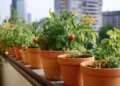
Containers can expand your growing area without expanding the garden bed.
Use pots for tomatoes, peppers, cucumbers, and herbs, reserving precious bed space for crops that are easier to direct-sow, such as carrots, beans, and lettuce.
Make sure containers have drainage holes and use potting mix rather than heavy garden soil.
FAQs
1. Top vegetables for a small garden?
Some of the best vegetables for small gardens are lettuce, spinach, radishes, spring onions, bush beans, cherry tomatoes, carrots, beetroot, peas and compact courgettes.
These crops give a good return and require little space.
2. Can you grow vegetables in containers?
Yes. Containers will support the growth of many vegetables. Tomatoes, lettuce, carrots, peppers, spinach, herbs, spring onions. For best results, use containers with drainage holes and good quality compost.
3. What are some of the best vegetables to grow in a small space?
Cherry tomatoes, climbing peas, bush beans, lettuce, spinach and courgettes are the most productive vegetables for small gardens.
They’re good for a continuous harvest throughout the growing season if cared for properly.
4. What vegetables are easiest for beginners to grow?
Lettuce, radishes, bush beans, peas and spring onions are perfect for beginners. Easy to grow, requiring minimal maintenance, and often producing reliable harvests.
5. How much sun do vegetables need?
Most vegetables like six to eight hours of direct sunlight a day at least. Lettuce and spinach are leafy greens that can tolerate some partial shade, especially when the weather is hot.
6. How often should I water vegetables in a small garden?
Most vegetables need watering on a regular basis, especially in hot, dry spells. Water well once or twice a week, not little but often.
Hot summer weather may require watering vegetables in containers daily.
7. How to make the best use of space in a small vegetable garden?
To increase your harvest without taking up more space, grow climbing vegetables up a trellis, raised beds or containers, succession planting, choose compact varieties and vertical growing systems.
8. Are raised beds helpful for growing vegetables?
Raised beds have good drainage, warm up quicker in spring, reduce soil compaction and make it easier to organise crops efficiently. This is a popular choice for gardeners with little room.
9. Can I grow vegetables year round?
Yes, with good planning. Cool season vegetables such as spinach, kale, lettuce and spring onions can be grown in spring and autumn, while summer crops like tomatoes and beans thrive in warmer months. A cloche, cold frame or greenhouse can help extend the growing season.
10. What’s the biggest mistake when growing vegetables in a small garden?
One of the biggest mistakes is over-crowding. By giving each plant enough room to breathe, get sunlight, and develop strong roots, you’ll have stronger plants and better harvests than if you try to cram too many vegetables into a small space.
A Small Garden Habit That Pays Off
Visit your garden often, even if it is only for five minutes before dinner.
Pick ripe beans and cucumbers, check moisture in containers, look under leaves for pests, and notice which plants are starting to shade their neighbors.
Those tiny observations prevent many of the problems that make gardening feel frustrating.
A small garden is not a compromise. It is an invitation to grow with intention, harvest more often, and enjoy the simple pleasure of stepping outside for something fresh.
See also: Your Ultimate Guide to Square Foot Gardening Success!