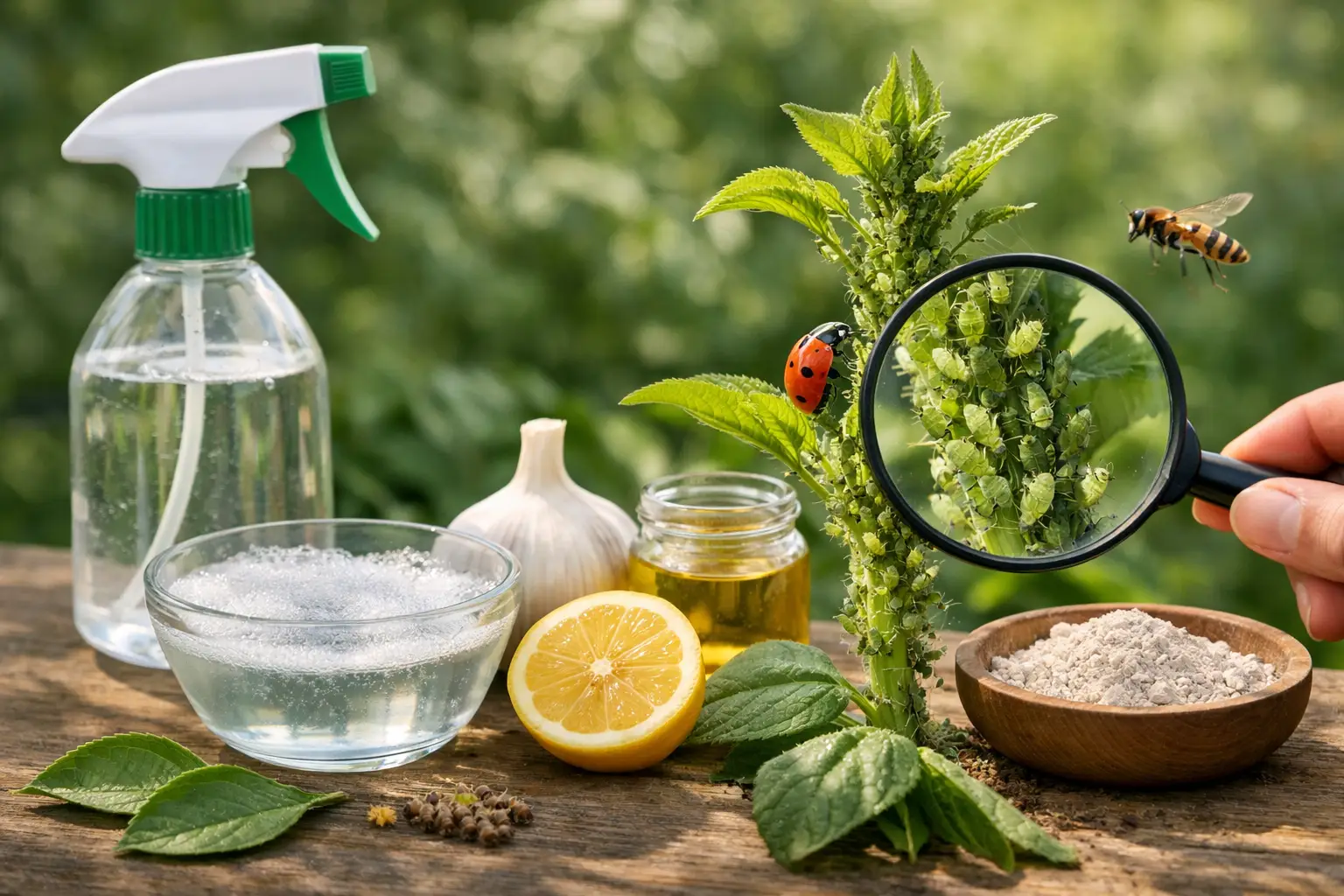
Aphids can turn a thriving rose bush, pepper plant, or sunny windowsill herb garden into a sticky, curled-leaf disappointment almost overnight.
The good news is that natural ways to get rid of aphids can be surprisingly effective when you act early and repeat the treatment as needed. You do not need to panic at the first tiny green, black, yellow, or gray insect. You do need a plan.
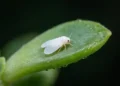
Aphids gather on tender new growth, flower buds, leaf undersides, and stems, where they pierce plant tissue and sip sap. As they feed, they leave behind honeydew, a sugary residue that can attract ants and encourage black sooty mold.
A few aphids may simply become lunch for beneficial insects. A crowded colony, however, can stunt vegetables, distort leaves, and weaken young plants.
Start by Checking How Serious the Aphid Problem Is
Before reaching for a spray, inspect the plant closely. Look under leaves and along the newest stems, especially on roses, tomatoes, peppers, kale, milkweed, citrus, houseplants, and fruit trees.
Also look for ants moving up and down stems. Ants do not cause aphids, but they often protect them because they feed on honeydew.
If you find a small cluster on an otherwise healthy plant, physical removal may be all you need.
If several stems are covered, leaves are curling, or honeydew is spreading across nearby foliage, combine more than one method.
Natural pest control works best as a steady routine rather than a one-time rescue mission.
Natural Ways to Get Rid of Aphids Quickly
1. Blast Them Off With Water
A firm spray of plain water is one of the easiest first responses. Use a garden hose with a spray nozzle outdoors, aiming at the undersides of leaves and tender stems. The goal is to knock aphids loose without shredding the plant.
For houseplants, take the plant to a sink, shower, or outdoor patio and rinse it with a gentle but thorough stream. Support delicate leaves with one hand if needed.
Repeat every few days for a week or two, because hidden aphids and newly hatched nymphs can quickly rebuild the colony.
Water works especially well on sturdy plants such as peppers, roses, broccoli, and established ornamental shrubs.
Skip a powerful hose setting on seedlings, succulents, or plants with fragile foliage.
2. Prune the Most Crowded Tips
When aphids are concentrated on a few badly curled leaves or heavily infested shoot tips, pruning is faster than trying to save every inch of growth.
Snip off the worst sections and place them directly into a sealed bag or covered container before tossing them in the trash.
Do not leave infested cuttings on the soil beneath the plant or add them to an open compost pile. Aphids may crawl back onto nearby growth.
Light pruning also improves airflow, which helps plants recover and makes future pest checks easier.
3. Wipe Small Houseplant Colonies Away
Indoor plants often have manageable aphid outbreaks because the insects are limited to a few leaves or stems.
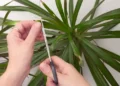
Dampen a soft cloth or cotton pad with plain water and gently wipe aphids from broad leaves. For a tough, waxy-leaved plant, you can carefully rub the insects away with your fingers while wearing gloves.
Check the plant again every two or three days.
Aphids are excellent at hiding in leaf joints, around flower buds, and on the newest growth. Isolating the plant from your other houseplants for a couple of weeks can prevent a small issue from becoming a windowsill-wide problem.
4. Use Insecticidal Soap Carefully
Insecticidal soap is a useful low-impact option for a persistent infestation. It works by contacting and disrupting soft-bodied pests, so coverage matters more than soaking the entire plant. Spray directly on aphids, including leaf undersides, in the cool morning or early evening.
Use a ready-to-use insecticidal soap or mix only according to a product label designed for garden use.
Homemade dish soap mixtures are popular, but many household soaps contain degreasers, fragrances, or additives that can burn foliage.
Even a gentle product can damage sensitive plants, so test a small area first and wait 24 hours before treating the whole plant.
Avoid spraying stressed plants, plants in hot direct sun, or open blooms visited by bees. Reapply as directed if aphids return.
5. Try Neem Oil When Other Gentle Methods Fall Short
Neem oil can help suppress aphids, particularly when water sprays and pruning have not been enough. It works best on young aphids and can also interfere with feeding and development. As with soap, it must touch the pest, and repeat applications are usually necessary.
Follow the label exactly, including mixing instructions and the waiting period before harvesting edible crops.
Spray at dusk or very early in the morning, never during bright heat.
Neem is plant-derived, but “natural” does not mean harmless to every insect.
Keep it off open flowers and avoid treating areas where pollinators are actively foraging.
6. Invite Aphids’ Natural Enemies
A garden with lady beetles, lacewings, hoverflies, tiny parasitic wasps, and birds is better equipped to handle aphids before they explode into a major problem.
You may notice lady beetle larvae before you notice adult lady beetles. They look like tiny black-and-orange alligators, but they are hungry aphid hunters, not pests.
The best way to support these helpers is to grow a varied garden. Small-flowered plants such as alyssum, dill, cilantro, yarrow, and cosmos provide nectar and pollen for beneficial insects.
Let a few herbs flower, keep some mulch or leaf litter for habitat, and avoid broad-spectrum insecticides that kill helpful insects along with aphids.
Buying lady beetles can work in some situations, but released insects often fly away if the garden does not offer shelter, moisture, and food.
Creating a welcoming habitat is the longer-lasting strategy.
7. Deal With Ants, Too
If ants are farming aphids on a plant, controlling the ants can make a remarkable difference. The ants protect aphid colonies from predators, allowing the problem to grow larger than it otherwise would.
Start by removing the aphids with water or soap. Then prune branches that touch fences, walls, or nearby plants, which can create ant highways.
For potted plants, keep foliage from resting against railings or other containers.
In some cases, a sticky barrier placed around the trunk of a woody plant can stop ants from climbing, but do not apply sticky products directly to bark or stems where they could trap beneficial insects.
8. Keep Plants Growing Steadily, Not Softly
Aphids love lush, tender growth, and too much quick-release nitrogen fertilizer can create exactly that.
If aphids repeatedly target the same vegetable bed or ornamental shrub, review your feeding habits.
A slower, balanced approach using compost and an appropriate fertilizer gives plants steady nutrition without pushing a flood of extra-soft shoots.
Watering matters, too.
Drought-stressed plants are less able to recover from pest feeding, while overcrowded plantings can make inspections difficult.
Give plants proper spacing, water at the soil line when possible, and remove weeds that may shelter pests.
9. Repeat Your Checks Until the Cycle Breaks
Aphids reproduce quickly, often without mating during warm weather. That means one successful treatment does not guarantee the job is done.
Check affected plants twice a week for at least two to three weeks, paying special attention to new growth.
A simple rhythm works well: rinse or remove visible aphids, wait a few days, inspect again, and spot-treat only where necessary.
This approach protects beneficial insects while keeping the pressure low enough for plants to bounce back.
When Aphids Need More Than a Natural Fix
Natural methods are ideal for most home gardens, but there are situations where an infestation has already caused serious damage.
A young tree with distorted new growth across its canopy, a greenhouse crop covered in honeydew, or a plant showing signs of viral disease may need more targeted help.
Aphids can spread plant viruses, especially among vegetables and ornamentals. If a plant has unusual yellow mosaic patterns, severely twisted growth, or stunting that continues after aphids are gone, remove it rather than trying to nurse it along. Disinfect pruners afterward and watch nearby plants closely.
For everything else, patience is part of the treatment. A few aphids are not a gardening failure. They are a reminder to step outside, turn over a leaf, and give your green space the small, attentive care that helps it stay gorgeous and productive.