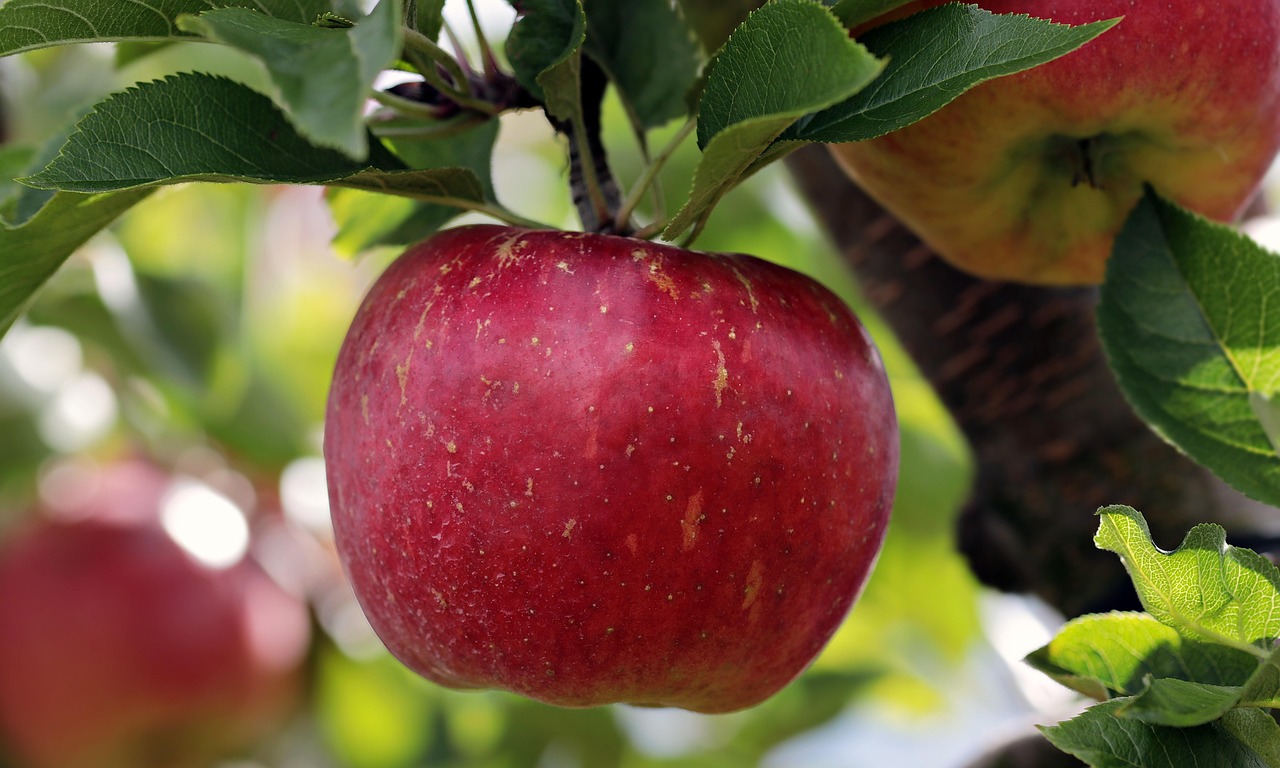
Everything you need for growing apples in your own backyard!
If you’ve ever bitten into an apple from the store and thought, “This is fine, but it would be so much better fresh off a tree,” you’re right.
This growing apples guide will show you exactly how to start growing your own.
You don’t need a lot of land, advanced training, or a magical green thumb. You just need a sunny spot, the right kind of plant, and some seasonal care. Home gardeners who grow apples get a lot of satisfaction from them.
This in-depth Good Garden Ideas guide is easy to read, full of useful information, and great for both new and experienced gardeners.
By the end of this article, you’ll know everything from how to pick the best variety to how to master pruning cuts, fight pests naturally, and harvest with confidence.
So get a warm drink, get comfortable, and let’s talk about apples.
See Also
- Growing Carrots: Tips for a Bountiful Harvest
- Growing Spinach in Your Garden
- Rapid Roots: Secrets to Thriving Radish Gardens
1. Why Grow Apples? (Other than how good it tastes)
You get more than just fruit when you grow apples. It makes your garden more beautiful, gives it structure, shade, and wildlife appeal, and even a sense of history.
You get beauty all year long.
Apple blossoms in the spring bring soft clouds of pink and white. In the summer, the tree gets fuller and provides cool shade. The branches promise fresh fruit and golden leaves in the autumn. The tree’s graceful frame looks like a sculpture against the sky in the winter.
You get a garden friend who will live a long time and help you grow.
If you take care of an apple tree, it can bear fruit for decades, even generations. You are planting memories for your family to enjoy years from now if you plant one now.
You get a wider range of flavours than stores can offer.
There are thousands of types of apples, including sweet, sour, spicy, fragrant, firm, soft, crisp, crunchy, and juicy. The grocery store only sells a few of these. You can taste and feel things you never knew existed when you grow your own food. For example, heritage apples that have been grown for hundreds of years.
You help animals in your area.
Bees love apple blossoms, birds like the shelter, and good bugs do well in the small area under the tree. Apple trees help make the ecosystem in your garden healthier and stronger.
It’s not just about the fruit when you grow apples. It’s about making the garden fuller and more colourful.
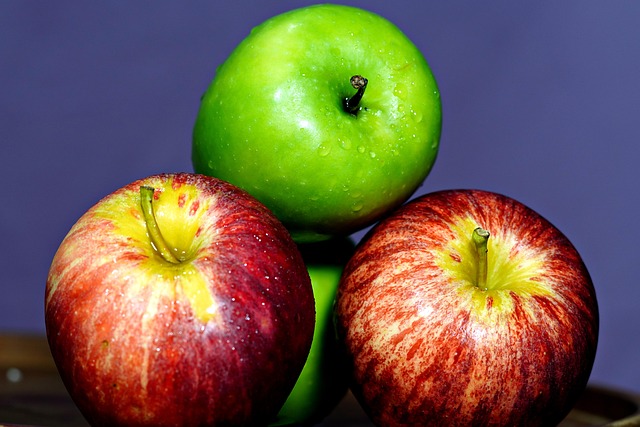
2. What Makes an Apple Tree Work: The Basics
It’s helpful to know a few basic things about how apples grow before you choose your tree.
2.1. Rootstocks: The True Factor in Tree Size
The rootstock of an apple tree has a bigger effect on its final size than the variety (like Honeycrisp). Rootstocks determine how big, strong, and sometimes disease-resistant a plant is.
Dwarf Rootstocks
- Height when fully grown: 6 to 10 feet
- Great for small gardens, patios, and picking up easily
- Fruit comes faster than bigger trees.
- Need permanent staking a lot of the time
- A great choice for beginners
Semi-Dwarf Rootstocks
- 12–20 feet tall when fully grown
- The most common size for home orchards
- Productive but easy to handle
- Easier to trim than regular trees
- Usually don’t need to be staked once they are grown
Common Rootstocks
- Adult height: 20 to 30 feet or more
- Old-fashioned orchard trees that last a long time
- Big yields and deep roots
- Need the most space and trimming
- Best for big properties
For most readers of Good Garden Ideas, dwarf or semi-dwarf trees are the right size and easy to care for.
2.2. The Winter Requirement: Chilling Hours
Chilling hours are the amount of cold that apples need in the winter to wake up and bloom well in the spring. This is usually the number of hours spent between 32°F and 45°F (0–7°C).
If you live in a cold or temperate place:
You have enough time to chill for almost any type.
If you live in a warm, mild, or Mediterranean climate:
You will need types that don’t chill too much, like:
- Anna
- Dorsett Golden
- Ein Shemer
- TropicSweet
- Golden Dorsett
These do well in warm places where regular apples don’t.
2.3. Pollination: You Probably Need Two Trees
Most kinds of apples need to cross-pollinate in order to make fruit. This means you need two different kinds that bloom at the same time.
Good partners for pollination are:
- Gala + Fuji
- Honeycrisp and McIntosh
- Pink Lady and Granny Smith
- Freedom and Business
- Anna and Dorsett Golden
- Self-Fertile (Will Bear Fruit Without a Partner)
These trees can bear fruit on their own, but they do better when they have a friend:
- Golden Delicious
- Granny Smith
- Beautiful Rome
- Braeburn
If you can fit two trees in your yard, do it. If you only have room for one, pick a self-fruitful type or plant a multi-graft tree (several types on one trunk).
3. Picking the Right Type for Your Taste and Climate
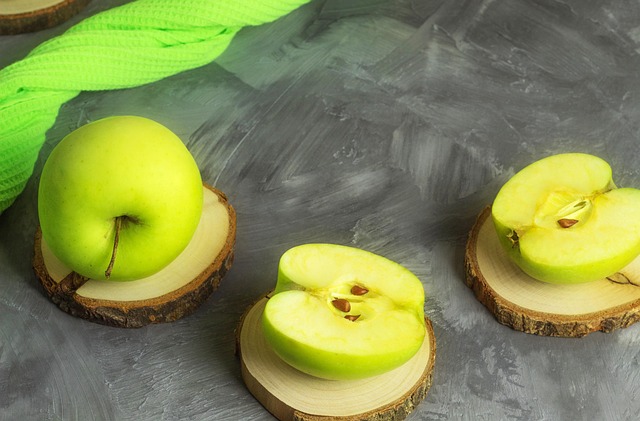
Half the battle is choosing the right kind. There are different types of apples for different uses.
3.1. Crisp and juicy apples for eating fresh
If you want apples that are sweet and crunchy right off the tree:
- Honeycrisp
- Gala
- Fuji
- Lady in Pink
- Jazz
- Ambrosia
- Sixteen Sweet
3.2. Baking Apples (Stay Firm When Cooked)
Great for making sauces, pies, tarts, and crisps:
- Granny Smith
- Jonathan
- Jonagold
- Cortland
- Braeburn
- Spy from the North
- Beauty in Rome
3.3 Apples, butter, and cider sauce
These are easy to break down or have rich, complex flavours:
- McIntosh
- Golden Delicious
- Lodi
- Black Kingston (cider)
- Dabinett (cider)
3.4. Apples for Long Storage
Great for storing in cold rooms, garages, and basements in the winter:
- Gold Rush
- Lady Pink
- Black Arkansas
- Fuji
- Granny Smith
3.5. Varieties that don’t get sick
A must-have in places with a lot of rain or humidity:
- Freedom
- Freedom
- Business
- Clean
- Pride of Williams
Choose from this list if you want apples that don’t need much care.
4. How to Plant Your Apple Tree Without Stress
Putting a tree in the ground is a mix of science, tradition, and excitement. If you want your apple tree to live a long time and be healthy, do these things.
4.1. The Best Time to Plant
Cold climates: Early spring, as soon as the ground is dry enough to work
In warm climates: late autumn or winter
Trees grown in containers: Any time except the middle of summer
Bare-root trees (sold dormant) are often the easiest to plant and the cheapest.
4.2. Where, Where, Where
Choose a place with:
- Full sun for 6–8 hours a day
- Soil that drains well
- Air circulation is good
- Room to grow
Avoid:
- Dark corners
- Wet, low-lying ground
- Small spaces near buildings
Apple trees thrive in the sun. The fruit quality gets better the more they get.
4.3. The Hole for Planting
Most people think this part is harder than it is.
- Make a hole that is twice as wide as the root mass.
- Depth: only as deep as the roots, not any deeper.
- Put the tree in a spot where the graft union (the bump on the trunk) is 2 to 4 inches above the ground.
- You don’t need compost or fertiliser; just fill in the hole with the dirt you took out.
- To settle the soil, water it well.
- Put mulch around the tree, but not on the trunk.
That’s all. Easy, stress-free, and useful.
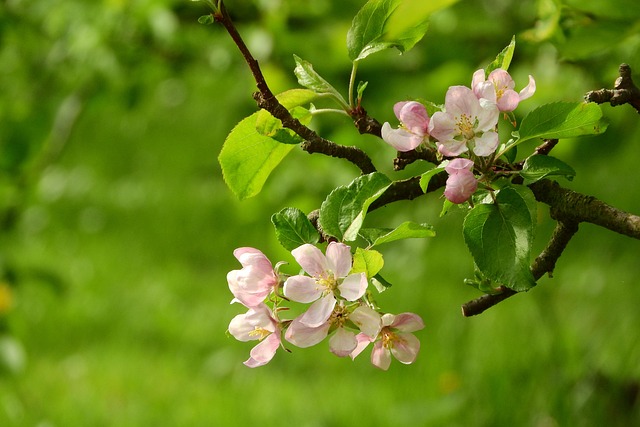
5. Watering, feeding, and mulching are things you do every day to keep your apples happy.
5.1. Watering
Trees that have just been planted:
Once a week, water deeply.
Get bigger when it’s hot and dry.
Older trees:
Only need water during long periods of drought
Watering deeply and slowly is best.
Don’t water too much; wet roots can get sick.
5.2. Putting fertiliser on
Apple trees don’t need a lot of food.
If your tree needs fertiliser, these are some signs:
- Leaves that are pale or yellow
- Last year, there was less than 6 inches of new growth.
- Few leaves
- Bad growth of fruit
What to use:
- An organic fertiliser that is balanced
- A few inches of compost
- A ring of new mulch every spring
When to use fertiliser:
- Before new growth starts in early spring
- Only when necessary—more is not better
5.3. Putting down mulch
Your apple tree’s best friend is mulch.
Benefits:
- Keeps moisture in
- Keeps weeds from growing
- Over time, it makes the soil better.
- Keeps roots warm
Use:
- Wood chips
- Bark mulch
- Foliage
- Manure that has been composted
To keep the trunk from rotting, keep the mulch a few inches away from it.
Learn more about mastering mulching >
6. How to Make Apples Bigger and Sweeter by Thinning Them
A lot of new apple growers skip this step, but thinning is important for getting good apples and keeping branches from breaking.
Why do you need to thin fruit?
- Apples that are bigger
- Taste sweeter
- Less bugs
- Better production every year
- Less stress on the tree
When to Thin
When apples are the size of marbles, which is often in early summer.
How to Make It Thinner
- Put one apple every six inches on each branch.
- Take out the smaller apples from each group.
- Cut or gently twist off the extras.
Your harvest will be much better, even though it may seem like a waste.
7. A Friendly, Easy-to-Follow Guide to Pruning Apple Trees
Most gardeners don’t want to prune their trees, and this hurts most apple trees. There is nothing scary about pruning. Once you learn a few things, it’s actually one of the most rewarding things to do in the garden.
Learn more about Expert Pruning Techniques >
7.1. Why do you prune?
- Promotes wood that bears fruit
- Stops sickness
- Forms the tree
- Keeps the tree under control
- Lets more sunlight in
Think of pruning as giving the tree a haircut and some fresh air.
7.2. When to Cut
Major pruning in the winter and early spring
Summer: Light pruning to control shape and height
Don’t prune in the autumn because new growth won’t harden before winter.
7.3. The Five-Step Method for Winter Pruning
This easy system works on most apple trees.
Step 1: Get rid of branches that are dead, broken, or sick.
These can hold pests and diseases, so you need to take them off right away.
Step 2: Get rid of branches that are crossing or rubbing against each other
Branches that scrape against each other make cuts that can get infected.
Step 3: Take the tree’s centre out
Make the structure look like a vase and be open so that sunlight can reach all the branches.
Step 4: Cut back on the strong, upright shoots (water sprouts).
These take energy from fruiting wood.
Step 5: Make crowded areas less crowded
To keep fungal diseases from spreading, air flow is very important.
Take your time, step back often, and remember that apple trees are forgiving.
8. How to Deal with Common Apple Pests in a Natural Way
People say that apples attract pests, but most of them can be kept under control with easy, natural methods.
8.1. Codling Moth
The “worm in the apple” story.
Signs:
- Little holes in fruit
- Tunnels on the inside
Solutions:
- Pheromone traps
- Putting young fruit in bags
- Taking away apples that have fallen
8.2. Apple Maggot
Signs:
- Skin with dimples or squiggles
- Brown lines in skin
Solutions:
- Sticky traps that are red
- Putting fruit in bags
- Picking up apples that have fallen
8.3. Apple Scab
Signs of illness:
Spots on fruit and leaves that are olive brown
Solutions:
- Choose types that are resistant
- Take away fallen debris
- Make the air flow better
8.4. Mildew in Powder Form
Signs:
A white powdery coating
Solutions:
- Prune to let air through
- Take away shoots that are sick
- If you need to, use sulphur sprays.
8.5. Fire Blight
Signs:
A bacterial disease that turns shoots black.
Solutions:
- Cut out the infected areas well below the damage.
- Clean tools between cuts
- Pick types that are resistant
9. Getting the harvest: the reward for all your hard work
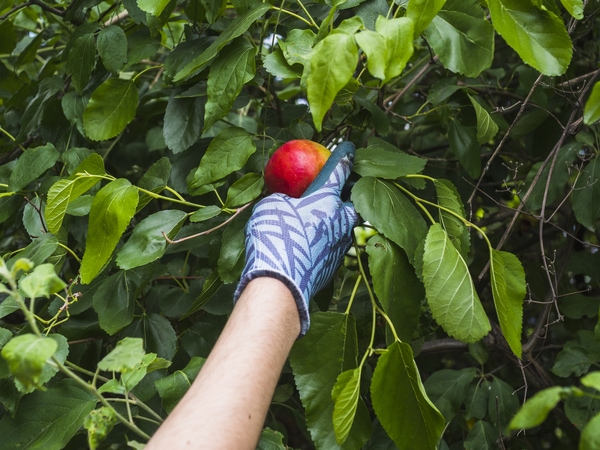
There’s nothing like the moment when your apples are finally ready to be picked.
When Are Apples Ready to Eat
- They come off easily when you lift and twist them.
- The seeds are dark brown inside.
- The colour of the background changes from green to yellow.
- The taste is just right (we encourage you to taste it!).
How to Pick Apples the Right Way
- Hold the apple in your hand.
- Gently lift and twist
- Don’t pull; it could hurt the wood that will bear fruit next year.
How to Store Apples
Some kinds last for weeks, while others last for months.
Tips:
- Keep only fruit that isn’t bruised.
- Keep them cool and a little damp.
- Keep apples away from vegetables.
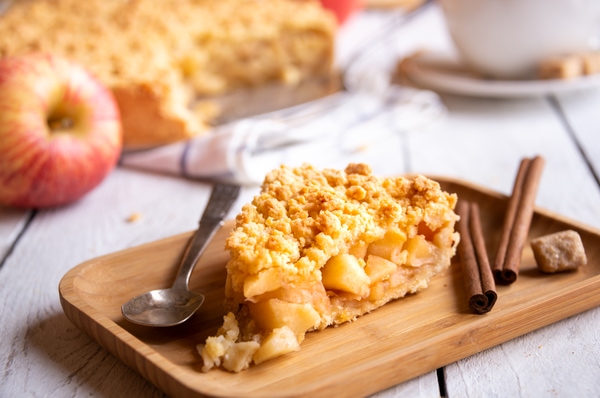
You can eat pies and snacks long after the harvest season is over.
10. Yes, it works to grow apples in small spaces!
You can grow apples in a lot of places.
Apples in Containers
Use:
- Dwarf rootstock
- Container that holds 15 to 20 gallons
- Potting mix of high quality
Care:
- Watering more often
- Cutting the roots once a year
- Yearly soil refresh
Espalier Apples
Training apples to grow flat against a wall or fence:
- Saves room
- Looks amazing
- Makes fruit better
- Great air flow
Even small gardens can grow beautiful apples.
11. Plants that go well with apple trees to keep them healthy
Plant these at the bottom of your apple tree:
- Chives and garlic keep bugs away.
- Clover fixes nitrogen
- Comfrey is a great mulch and has a lot of minerals in it.
- Calendula and nasturtium draw in helpful bugs.
- Flowers that are good for bees help with pollination.
Don’t plant tall bushes or trees that grow quickly too close to the dripline of your apple tree.
12. Troubleshooting: Questions and Problems That Come Up Often
“My tree dropped a lot of little apples!” “
This is a normal drop for June. No need to worry.
“My apples don’t look perfect.”
Most apples grown at home aren’t. The taste will still be amazing.
“I don’t get apples every year.”
This is often because not enough thinning was done. To stop biennial bearing, thin aggressively one year.
“My leaves have some holes.”
It’s completely normal for a bug to nibble on something.
“My tree is getting too tall.”
It will be easier to handle if you prune it in the summer.
13. A Timeline: What to Look Forward to Each Year
Year 1
A lot of root growth but not much top growth. No fruit expected.
Year 2
A little growth, maybe some flowers.
Year 3–4
Your first crop of light.
5 years and up
The start of full production.
10 to 30 years
Peak years: lots of fruit and steady growth.
Years later
An adult apple tree becomes a part of your garden’s soul.
14. Why Growing Apples Makes You Feel Good About Yourself
Growing apples is very satisfying in a deep way. Maybe it’s the yearly cycle, or the fact that the tree grows and matures quietly with your family.
It could be the excitement of waiting and watching for months and months. Or maybe it’s just the magic of holding a piece of fruit that you helped grow with care, patience, and love.
An apple tree is a friend. It tells you what season it is. It honours your wins. It gives food to birds, bees, neighbours, and people who come to visit. It turns into a place where memories come together.
By planting an apple tree, you are planting a future.
15. Last Words from Good Garden Ideas
You’re ready to start growing apples if you’ve made it this far.
It’s not hard to grow apples; you just have to get into the rhythm. A cycle of small but important actions: planting in the right spot, watering when necessary, confidently pruning, ruthlessly thinning, joyfully harvesting, and letting nature take care of the rest.
Your apple tree will give you beautiful flowers, lots of fruit, and good looks for years to come.
From everyone at Good Garden Ideas:
Here’s to fresh bites, fragrant flowers, harvesting from your own yard, and the simple pleasure of growing something great. Happy apple growing! 🍎🌿