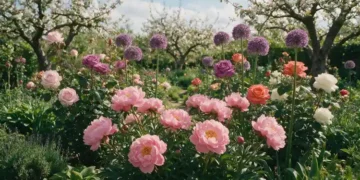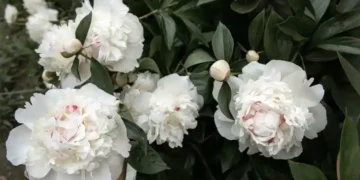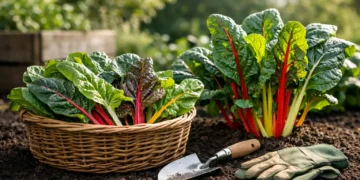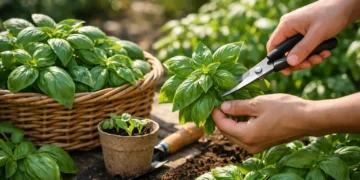
From the kitchen window, December may look quiet—bare branches, sleeping beds, and lawns covered in frost—but don’t be fooled. There’s plenty of gardening jobs for December!
For gardeners, this is one of the most important months of the year.
What you do now will affect the health, beauty, and productivity of your garden long after winter is over. Even though the days are short and the weather is unpredictable, gardening in December can be peaceful, useful, and surprisingly fun.
December is a great time for both experienced gardeners and people who just like to work outside when they can. It has a good mix of important tasks, careful planning, and seasonal creativity.
See Also
- 12 Great Ideas for Christmas Gifts for Gardeners
- 10 Good Garden Ideas for Christmas Garden Decorations
- Sustainable Gardening Practices in your Home Garden
Here are the Top 10 Gardening Jobs for December to keep it healthy and ready for the new year.
1. Keep plants safe from frost, wind, and wet winter weather.
When the temperature gets close to freezing, the most important thing to do is protect delicate plants. Winter damage isn’t just about the cold; it’s also about the wet, the wind, and the temperature changes that happen all the time.
Tender plants to keep safe
- Dahlias (lift or put down a lot of mulch)
- Cannas and bananas
- Ferns that grow on trees
- Palms and cordylines
- Pittosporums and other half-hardy shrubs
- Bedding plants that bloom late in the season, like salvias
What to do
Put a lot of mulch on:
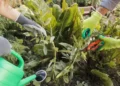
Put a thick layer (5–10 cm) of compost, bark, leaf mould, or straw around the base of tender perennials. This keeps the roots warm and helps keep the soil at a steady temperature.
Cover weak stems:
Use horticultural fleece, hessian filled with straw, or even bubble wrap (but don’t wrap it too tightly, or moisture will get trapped). Wrap the tops of tree ferns and cordylines, and cover the trunks of bananas with several layers of fleece.
Put pots up off the ground:
To make drainage better, use bricks or pot feet. For many potted plants, wet soil is a bigger winter killer than frost.
Put containers in a safe place:
A porch, greenhouse, cold frame, or even a spot on a south-facing wall that is out of the wind can make a big difference of a few degrees.
Why December Matters
Cold snaps can happen without warning. You can relax knowing that your plants are safe now and save money on buying new ones in the spring when they get frost damage.
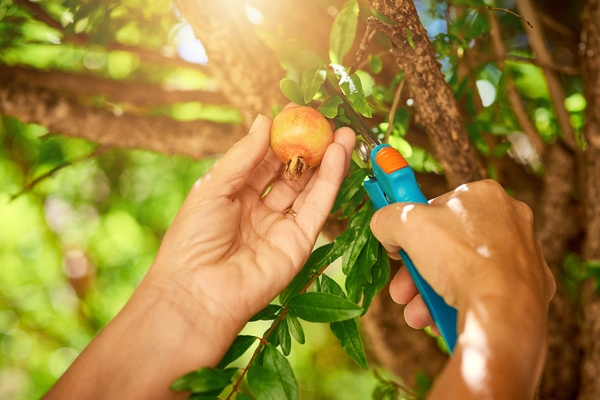
2. Cut back apple, pear, and other deciduous fruit trees.
Most deciduous fruit trees should be pruned in the winter. However, plums, cherries, and apricots should be pruned in the summer to lower the risk of silver leaf disease.
Your list of gardening jobs to do in December:
- Cut off branches that are dead, broken, or sick.
- Cut off branches that cross or rub against each other.
- To make a “goblet” shape, open the centre.
- Cut back on long, too-strong stems to help fruiting spurs grow.
- Keep the overall shape balanced.
Why cut now?
Trees are completely dormant, so cuts heal slowly but safely. You can also see the structure better without leaves. Good pruning lets air flow better, lowers the risk of disease, and makes fruit that is bigger and better next year.
If you’re not sure about cutting back
Instead of making big, dramatic cuts, try to make small, careful ones. You can always cut more later, but you can’t put branches back on.
Learn more about pruning techniques >
3. Plan Your Garden for Next Year: Seeds, Beds, and Big Ideas
December is the best time to dream. You can think about the year ahead while the garden sleeps.
Things to think about:
Planning for seeds:
This is the month when seed catalogues come in the mail like early Christmas gifts.
Write down:
- Vegetables you want to grow
- Cutting flowers
- New types to try
- Gaps in borders to fill
Rotating crops:
Rotate the families of plants in your vegetable garden to keep the soil healthy and stop pests from building up.
Changing the shape of the bed:
If you want to make your borders bigger or add new beds, now is the time to draw up plans because you can see how your garden is naturally shaped.
Place your order for seeds early:
Quickly sell out of popular types. You can get ahead of the January rush by ordering in December.
Why planning is a good job to have
Thinking about things for a little while now makes spring a lot easier and more fun.
4. Fill up bird feeders and give them clean water.
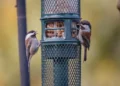
One of the best things to do in December is to help animals. During the cold months, when there isn’t much food for them, birds need help the most.
See also: Top 10 Garden Bird Feeders >
How to help birds in your garden
- Put high-energy foods like suet, sunflower hearts, and peanuts back in the feeders.
- To keep disease from spreading, clean feeders once a week.
- Put out fresh water every day, and break up any ice if you need to.
- Give them shelter with thick bushes, hedges, or bird boxes.
Why it matters
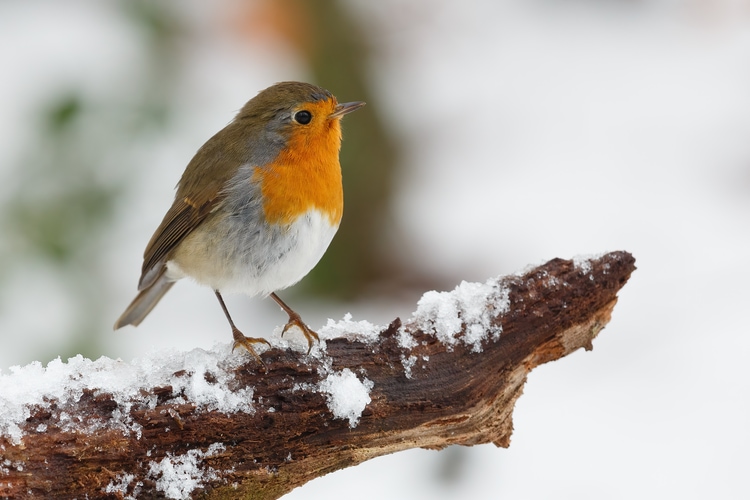
Birds that are healthy in the winter will help keep pests away in the spring and summer. Blue tits, robins, wrens, and blackbirds all eat bugs that could hurt your plants. Plus, seeing wildlife in the garden makes even the dullest December day better.
5. Take care of the soil by adding mulch, compost, and fixing its structure.
Every good garden starts with good soil. December is a great time to think about its long-term health.
Things to do now:
Put mulch on empty beds:
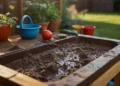
Use compost, manure, leaf mould, cardboard, or seaweed to cover vegetable beds. This keeps the soil from eroding and gives it food slowly until spring.
Learn more about mulch >
Spread out the compost:
Now is a great time to use your compost heap if it’s ready. During the winter, earthworms will pull organic matter into the soil.
Make a new pile of compost:
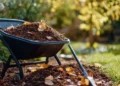
Use the scraps from Christmas vegetables, cardboard boxes, fallen leaves, and other garden waste to make compost for next year.
If you need to, dig over:
Heavy clay soils do better when they are exposed to frost in the winter. The freeze-thaw cycle breaks up big clods.
Why taking care of the soil is important in December
Healthy soil means healthier plants, faster growth, fewer pests, and easier gardening all year long.
6. Plant bare-root hedges, trees, and roses.
One of the best deals in gardening is bare-root plants. They come without pots or soil, and they usually cost half as much as plants that are grown in pots.
What to plant in December:
- Trees that bear fruit
- Roses
- Roses that climb
- Hedging (blackthorn, beech, hornbeam, privet, hawthorn, and yew)
- Trees for decoration
- Soft fruit includes currants, gooseberries, and raspberries.
How to plant trees and shrubs with no roots
- Before planting, put the roots in a bucket of water for an hour.
- Make a big, wide hole that is bigger than the roots need.
- Let roots spread out on their own.
- Plant so that the collar, which is where the root meets the stem, is level with the soil.
- Fill in the hole, press down on it gently, and water it well, even in the winter.
- Use mulch to keep roots moist and safe.
The bare-root season only lasts until March, so December is the best time to take advantage of it.
7. Check the bulbs, tubers and produce you have stored.
It’s time to check the health of your stored potatoes, onions, apples, garlic, dahlia tubers or gladioli corms in the middle of winter.
What to look for:
- Spots that are rotting or mushy
- Signs of mould
- Shrivelling
- Signs of mice
- Too much moisture or condensation
What to do
- Take away any affected produce right away
- If moisture is building up, make the air flow better.
- Add dry straw or newspaper to soak up the moisture.
- Keep things you store off the floor.
Why this is important
One bad apple really does ruin the whole bunch. Regular checks keep problems from spreading and keep your stored harvest safe, as well as your future planting stock.
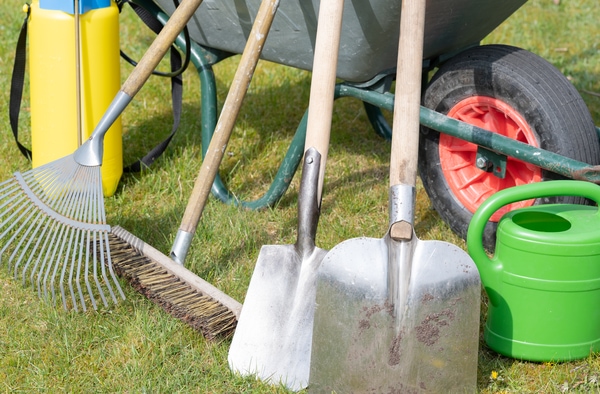
8. Organise, clean, sharpen, and fix tools and buildings
December is the “workshop month” for gardeners. When it’s cold or rainy outside, they like to work inside, and it pays off big time in the spring.
Things to do now:
Tools should be cleaned and sharpened:
- Pruners
- Loppers
- Hoes
- Forks and spades
- Mowers (if you’re really into it)
Not only is it easier to use a sharp tool, it’s also safer.
Oil the handles made of wood:
Linseed oil keeps handles from breaking.
Fix fences and raised beds:
Winter is good for fixing wood. It’s easier on posts when the ground is frozen.
Cleaning greenhouses and cold frames:
Use warm, soapy water to clean glass or polycarbonate. This lets more light through.
Put together sheds or potting areas:
Check the seed packets, recycle the old ones, label the boxes and make room for new supplies.
When spring comes quickly, gardeners who do these things in December feel very ready.
9. Plant and take care of winter containers to add colour and cheer.
Even though a lot of the garden is dormant, it doesn’t have to look boring. Winter containers add colour and life to patios, porches, and doorways.
Great plants for winter containers:
- Pansies and violas
- Cyclamen
- Heather in the winter
- Dwarf conifers
- Skimmia
- Carex and grasses for decoration
- Ivy
- Hellebores
Advice for making your winter pots work:
- Pick big pots because they keep roots warmer.
- Mix fresh compost with grit to help with drainage.
- Add feed that lasts a long time
- Get pots off the ground
- Water during dry spells (even plants in the winter need water!)
Extra idea:
Put plants with scents, like winter honeysuckle or sarcococca, near the door. On cold days, their scent is magical.
10. Celebrate the Season: Gather Evergreens and Natural Decorations
Nature decorates in December. Many gardeners like to use their own evergreen plants to make holiday decorations.
What you can gather:
- Holly
- Ivy
- Branches of pine and fir
- Rosemary
- Bay
- Eucalyptus
- Seed heads (teasels, honesty, allium, and grasses)
- Rose hips
- Bright berries (but don’t eat them all!
Ideas for decorations that are good for the environment:
- Wreaths
- A garland for the mantel
- Centrepieces for the table
- Pots with stems from evergreen plants
- Swags over doorways
- Planters with winter flowers for the holidays
Why it’s good for the garden
Lightly pruning evergreen shrubs to collect material helps keep them healthy and neat.

Other Helpful Gardening Jobs For December That Deserve an Honourable Mention
These didn’t quite make the top ten, but they’re good extra tasks to do if you have some extra time or energy.
- Get rid of leaves from lawns and paths
- Stops moss from growing and keeps the pavement safe.
- Add more gravel, bark, or slate to pathways.
- These materials settle well when it rains in the winter.
- Insulate water butts and outdoor taps
- Stops expensive damage from freezing.
- Check the ties and stakes on the trees.
- Make sure it stays stable in the winter winds and adjust for growth.
- Take out any annuals that are still around and cut back any perennials that are done blooming.
- Clean up what needs to be cleaned up, but leave some seed heads for animals to look at.
A Month for Rest and Gardening
December is a special time of year for gardeners. It’s a mix of getting ready, keeping things safe, and having fun. You’re not fighting weeds or racing against time; you’re taking care of the quiet parts of your garden, like its soil, trees, animals, and winter beauty.
This month, if you pick just a few of the top 10 jobs, your garden will be much stronger and more colourful in the spring. Even if you only get one or two done, remember that gardening is a conversation with nature all year long, not a list of things to do that you have to do.
Put on some warm gloves, wrap up in a scarf, and enjoy the quiet times outside in December. When the growing season comes back, your garden will thank you in a big way.