Gardeners know that making a beautiful outdoor space is fun, but keeping track of tools, supplies, and equipment can get out of hand very quickly.
To keep things organized and make sure your gardening tasks go smoothly, you need to have good storage options.
The goal of this article is to look at the best ways for every gardener to store their tools and supplies. It will answer common questions and give useful tips on how to keep your garden space neat and functional.
Understanding Your Garden Storage Needs
One of the quiet heroes behind the joy of working in a well-organized garden is smart storage. It’s a good idea to take a step back and think about what your garden really needs before you buy a shed, put up shelves, or start piling tools in a corner.
Smart storage doesn’t just save space; it also saves time, keeps your tools safe, and makes gardening more fun.
First, make a list of what you have.
Take a walk through your garden and make a list of everything you use all year long, like hand tools, power tools, hoses, kneeler, watering cans, pots, soil bags, fertilizers, seeds, furniture cushions, kids’ toys, or even bikes.
A lot of gardeners are shocked by how much stuff they have when they write it all down.
This easy task will help you avoid thinking your storage needs are smaller than they really are and ending up with a solution that is too small.
Next, think about how often you use each thing.
You should be able to easily get to things you use every day, like trowels, gloves, and watering tools.
Seasonal items, like snow shovels, bulb planters, or patio accessories, can be kept out of the way.
When you group things by how often you use them, it makes it easier to decide where to put them, whether that’s on hooks, shelves, bins, or cabinets.
The size and shape of your garden are also very important.
You might need vertical storage, multifunctional benches, or slim cabinets that fit neatly against a wall in a small city garden or balcony.
Dedicated structures like sheds or storage chests placed close to where the work happens can help larger gardens. Put storage in places that will cut down on unnecessary trips back and forth. Your back will thank you later.
Many gardeners don’t think about how important weather and safety are.
Rain quickly rusts tools, and damp conditions can ruin seed packets and soil amendments. Make sure that any enclosed storage you buy has good ventilation and can stand up to the weather. To keep valuable equipment safe, think about using locks or hiding it well.
Last but not least, think about how your storage needs might change. Gardens and gardeners both grow and change. You can change your mind as your interests and collection grow by choosing flexible solutions like adjustable shelving, modular units, or extra wall space.
We at Good Garden Ideas think that practical foundations are what make great gardens. You can make your garden storage space organized and useful by knowing what you need ahead of time. This will help you stay focused on what you love about the garden.
Top Garden Storage Solutions
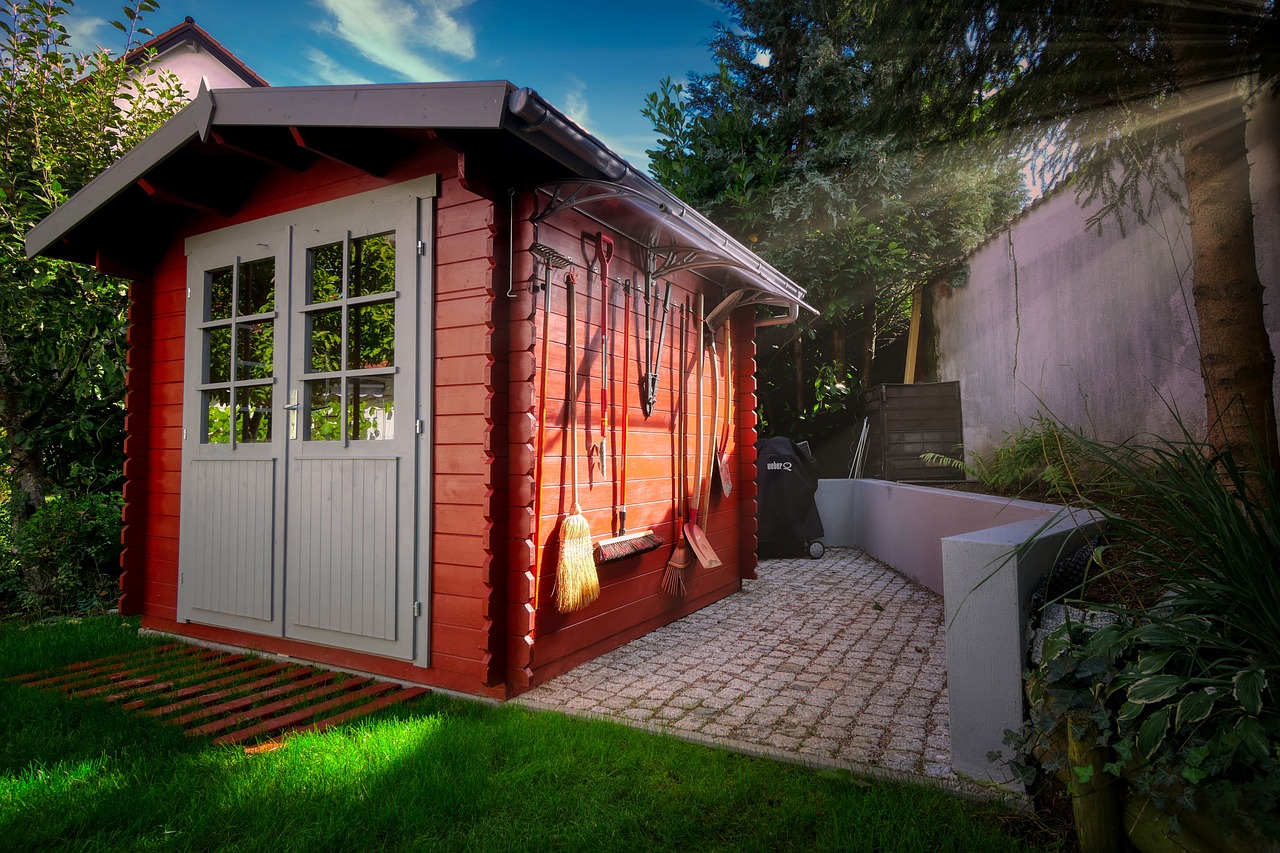
1. Garden Sheds
Garden sheds are one of the most popular ways for gardeners to store things, and it’s easy to see why. A shed can help you keep your garden organized in a lot of ways, like keeping tools dry and cutting down on clutter around the house.
Garden sheds, like any other type of storage, have both pros and cons. Knowing both sides will help you decide if a shed is the right choice for your garden.
A garden shed gives you a place to store all of your outdoor things. You don’t have to leave tools all over the place, like on patios, in garages, or in hallways. They can all be kept in one place.
This not only saves you time, but it also keeps your tools safe from damage from the weather and everyday use.
A shed can quickly become a useful and organized place for gardening with the right shelves, hooks, and storage bins.
That being said, sheds aren’t the best answer for everyone. Before you make a decision, you should think about the space, the cost, and the upkeep needs. Here’s a clear look at the good and bad sides to help you decide.
Benefits of Garden Sheds
- Lots of room for storage: great for big tools like lawn mowers, wheelbarrows, and strimmers, as well as pots and compost bags.
- Weather protection: Keeps tools dry, which cuts down on rust, rot, and damage from the sun.
- Better organization: makes it easier to find what you need and not buy more than one of the same thing.
- Versatile: It can be used as a small workspace or a potting area.
- Cleaner home and garden: It clears out garages, sheds, and patios, making the garden look better overall.
Disadvantages of Garden Sheds
- Space needs: Not good for balconies or gardens that are very small.
- Initial cost: Good sheds and the right bases can cost a lot of money.
- Maintenance needs: Wooden sheds may need to be treated regularly, and metal sheds can get condensation.
- Restrictions on planning: Depending on the size and location, some places may need permission.
- Concerns about security: Important tools may need locks or other safety measures.
When chosen carefully, we think garden sheds are a great way to store things at Good Garden Ideas. You can figure out if a shed will really work for your gardening style and space by looking at both the good and bad sides. A garden shed can be one of the most useful things in your yard if you plan it right.
View Business Insider: The 11 best outdoors sheds for extra backyard storage >
2. Tool Storage Boxes
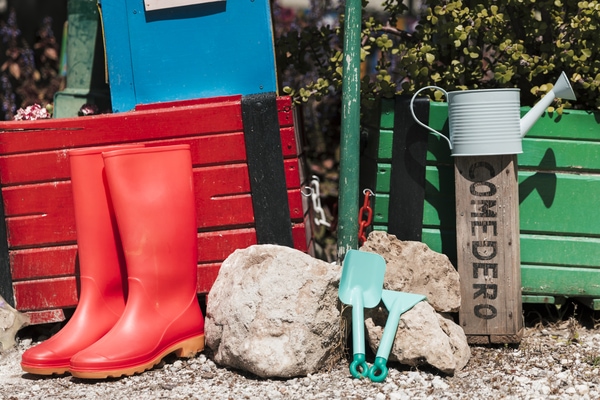
Tool storage boxes are a good choice if you want to keep your garden tools organized but don’t want to build a full-sized shed.
These boxes are small, flexible, and easy to put anywhere. They work well in a lot of different types of gardens, from small patios to bigger outdoor areas that need more organization. Like any storage option, they have pros and cons. It’s important to know both before making a choice.
Tool storage boxes are made to keep things you use a lot close by. They work great for small power tools, hand tools, gloves, plant ties, seed trays, and watering tools.
A storage box is great for gardeners because it keeps things organized and protects them from the weather. They are easy to get to because they are close to a work area or seating area, but they don’t take over the garden.
Another thing that makes it appealing is that it can be changed. If you change the way you use your garden or redesign it, you can easily move the tool storage boxes. Some designs can even be used as seating, which is great for small gardens where every item needs to earn its place.
But tool storage boxes do have their limits. They won’t work as well as a shed for storing big tools, and boxes that aren’t made well might not hold up in bad weather. You can figure out if they are right for you by weighing the pros and cons.
Advantages of Tool Storage Boxes
- Small and space-saving: perfect for small gardens, patios, and balconies.
- Easy to get to: great for tools you use a lot.
- Weather protection: keeps things dry and safe from dirt and the sun.
- Low maintenance: A lot of plastic or resin boxes don’t need much care.
- Designs that can be used for more than one thing: Some models can be used as seating or side tables.
- Affordable choice: usually less expensive than large cabinets or sheds.
Disadvantages of tool storage boxes
- Limited space: Not enough room for lawn mowers, wheelbarrows, or long tools.
- Problems with organization: Things can get mixed up if there are no internal dividers.
- Safety: Sheds are usually safer than these unless they have locks.
- Durability: The boxes’ durability varies; lower-quality ones may crack, fade, or leak over time.
- Design limitations: Some designs might not fit in with all types of gardens.
We think tool storage boxes are a good compromise between open storage and full sheds at Good Garden Ideas.
They are especially helpful for gardeners who want neat, easy-to-reach storage that doesn’t take up too much space or cost too much.
A tool storage box that is chosen carefully can make daily gardening tasks easier, faster, and more fun.
3. Vertical Garden Storage
If you don’t have a lot of space in your garden, thinking vertically can help a lot.
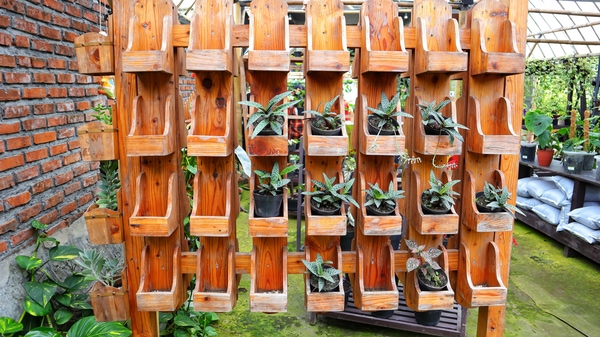
Vertical garden storage is becoming more and more popular as a way to keep pots, tools, and other items organized without taking up valuable ground space.
Vertical storage, like pegboards and wall-mounted racks, hanging shelves, and rail systems, helps gardeners do more with less while keeping everything easy to get to.
One of the best things about vertical garden storage is that it works well. Tools and supplies are lifted up onto walls, fences, or shed doors instead of being left on the ground, in sheds, or on patios.
This makes the garden look cleaner and more open, and it also makes it easier to see what you have. You won’t have to dig through boxes to find your gloves or secateurs anymore; they are right where you can see them.
Vertical storage is great for small gardens, balconies, and courtyards. It works great as an extra storage space in larger gardens, keeping things you use a lot close to where you work. It can also make things safer by keeping sharp tools off the ground and making it less likely that people will trip.
That being said, vertical storage isn’t always the best choice. You should think carefully about weight limits, how much weather it will be exposed to, and how many walls are available.
Here’s a balanced look at the good and bad sides to help you decide if it’s right for your garden.
Benefits of Vertical Garden Storage
Maximizes space by using walls and fences instead of floor space.
- Great for small gardens, patios, balconies, and tight spaces.
- Easy visibility: Tools are easy to see and get to.
- Adaptable: You can change the hooks, rails, and shelves around as your needs change.
- Better organization: keeps things in order and stops clutter from building up.
- Affordable options: Many systems are cheap or easy to build yourself.
Downsides of Vertical Garden Storage
- Limited weight limit: Not good for heavy tools like lawn mowers.
- Weather exposure: Tools left outside on walls without covers or in sheltered places may be at risk.
- Wall or fence needed: Not all gardens have the right structures for mounting.
- Installation effort: needs drilling, fixings, and secure mounting.
- Aesthetic concerns: If layouts aren’t well thought out, they can look more like a mess than an organized space.
We at Good Garden Ideas think that vertical garden storage is a great idea for gardeners who care about smart design and getting things done quickly.
It won’t replace a shed for big tools, but it’s great for keeping everyday tools organized and easy to get to.
Vertical storage can turn empty wall space into one of the most useful parts of your garden if you put it in the right place and use the right system.
4. Rolling Carts
You don’t know you need a garden rolling cart until you have one!
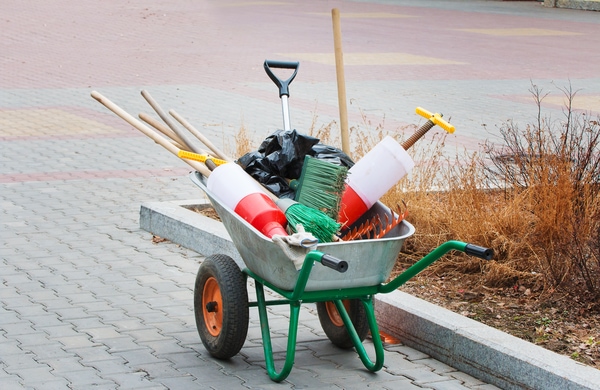
These useful carts are easy to move around the garden and can hold a lot of stuff. They make everyday gardening tasks easier and more fun.
A rolling cart can quickly become a useful tool for potting plants, picking vegetables, or cleaning up.
When they’re at their best, garden rolling carts keep the tools and supplies you need close by. You can load up with hand tools, gloves, plant labels, compost, and even small pots instead of walking back and forth to a shed.
A lot of carts have more than one shelf, tray, or basket, so you can keep everything organized by task and see everything.
Mobility is the best part. Rolling carts are great for medium to large gardens where distances add up, but they work just as well on patios and in greenhouses.
When you need the cart to stay put, lockable wheels make it more stable, turning it into a temporary workstation.
Some designs even have hooks or side rails for hanging tools, which makes the most of the cart’s storage space without making it bigger.
But rolling carts aren’t the best choice for every gardener or every garden. You need to think about the terrain, how much storage space you have, and how much exposure to the weather.
Here are the pros and cons in plain language to help you decide if a garden rolling cart is right for you.
The Good Things About Garden Rolling Carts
- Mobile storage means that your tools and supplies can go with you as you work in the garden.
- Saves time by cutting down on trips to sheds or storage areas.
- Good organization: Having multiple shelves and compartments helps keep things in order.
- Can be used for many things, like potting, harvesting, pruning, and other garden work.
- Small footprint—gives you storage space without taking up too much room.
- Works well in greenhouses, garages, and patios, both inside and outside.
The Bad Things About Garden Rolling Carts
- Limited capacity: Not good for heavy or big equipment.
- Terrain limits: Wheels may have trouble on gravel, mud, or ground that isn’t level.
- Weather exposure: Things may need to be taken down or covered when they aren’t being used.
- Durability varies: carts that cost less may rust or wear out quickly when left outside.
- Still need storage: The cart itself needs a place to go when it’s not in use.
We think that garden rolling carts are a smart and flexible way for active gardeners to store their tools at Good Garden Ideas.
They don’t take the place of permanent storage, but they are great for keeping tools close at hand and tasks running smoothly.
If you have the right cart, you’ll spend less time walking and more time enjoying your garden.
5. Storage Benches
Storage benches are a smart way to use garden furniture for more than one thing. They are a popular choice for gardeners who care about both style and usefulness because they provide a comfortable place to sit while keeping garden tools out of sight.
A storage bench can help you keep your patio or garden tidy without taking up too much space.
A storage bench looks a lot like other outdoor seating at first glance. But when you open the lid, you’ll find a useful storage space that’s perfect for things you use all the time. You can keep gloves, hand tools, plant ties, seed trays, and even outdoor cushions organized and close at hand.
This makes storage benches great for patios, lawns, or potting areas where you need to get to them quickly.
One of the best things about storage benches is that they save space. They are great for small gardens where every item needs to earn its place because they combine seating and storage.
Many designs are also weatherproof, which keeps the contents safe from rain and sun while also fitting in with the rest of the garden.
That being said, storage benches aren’t enough on their own to hold everything. Different models have different amounts of space, security, and durability, and they won’t work as a shed for bigger tools.
Here’s a fair look at the pros and cons of storage benches to help you decide if one is right for your garden.
Benefits of Storage Benches
- Design that serves two purposes: it has both seating and storage.
- Great for patios, balconies, and small gardens because they save space.
- Easy to get to: keeps things you use a lot close by.
- Looks good: comes in styles that work with a lot of different garden designs.
- Options that are resistant to the weather: many models keep things safe from rain and sun.
- Plastic or resin benches are easy to take care of.
Disadvantages of Storage Benches
- Not enough storage space for big or heavy tools.
- Weight limits: Putting too much in can make the lid or comfort less comfortable.
- Concerns about safety: these are often less safe than sheds or cabinets that can be locked.
- Differences in durability: Models that cost less may crack, fade, or leak over time.
- Problems with access: When full, things at the bottom may be harder to get to.
We think that storage benches are a smart and stylish way for gardeners to make the most of their space at Good Garden Ideas.
They won’t take the place of dedicated storage structures, but they’re a great way to keep important things neat, easy to get to, and out of sight.
Plus, they give you a nice place to sit and enjoy the garden.
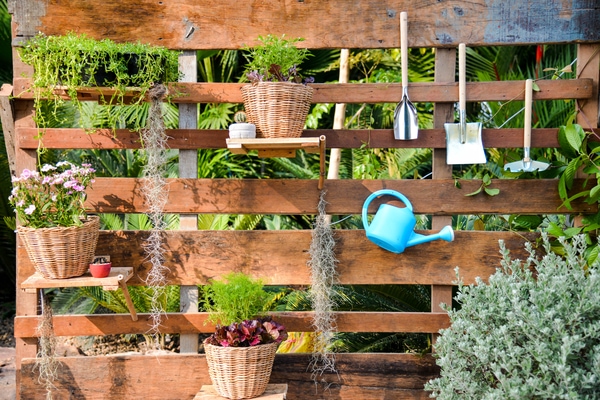
6. Hanging Organizers
Hanging organizers are one of the easiest and best ways to tidy up a garden space.
They help gardeners keep their tools and supplies organized without taking up valuable floor space by using vertical surfaces like walls, fences, shed doors, or railings.
Hanging organizers can really change the game for gardeners who work in smaller spaces or anyone who likes to keep things neat.
There are many types of organizers, such as fabric pocket systems, wire baskets, and hanging rails with hooks.
They are great for keeping light, frequently used things like gloves, hand tools, seed packets, twine, labels, and spray bottles organized. You can see everything and reach it easily, which makes daily gardening tasks faster and more fun.
Hanging organizers are also very adaptable. You can put them almost anywhere, and you can move or change them around as your needs change. Many options for renters or gardeners who want flexible solutions don’t need much installation and can be hung over doors or railings without permanent fixings.
Of course, hanging organizers don’t work for everything. It’s important to think about things like weight limits, exposure to the weather, and how long they will last.
Here’s a clear list of the pros and cons to help you decide if they’re right for your garden.
Benefits of Hanging Organizers
- Design that saves space: it uses vertical space instead of ground space.
- Size: Great for small gardens, patios, balconies, and sheds.
- Easy to get to and see: it’s easy to find tools and supplies.
- Flexible: Can be hung on walls, fences, doors, or railings, making it easy to move around.
- Affordable solution: Usually cheaper than bigger storage options.
You can change the layout of the pockets, hooks, and baskets to fit your needs.
Disadvantages of Hanging Organizers
- Can’t hold a lot of weight: tools that are heavy or big won’t work.
- Exposure to the weather: Fabric or metal organizers may break down over time when left outside.
- Needs the right surfaces: needs walls, fences, or doors to hang on.
- Concerns about safety: If tools are left outside, they could be easy for other people to get to.
- Possible clutter look: Organizers that are too full can look messy instead of neat.
We love hanging organizers at Good Garden Ideas because they are easy to use and useful.
They won’t take the place of sheds or storage boxes, but they are a great way to add to any garden storage system.
Hanging organizers can help you spend less time looking for things and more time enjoying your garden by keeping important things organized, visible, and always within reach.
7. Garden Trugs
Even though they look simple, garden trugs are one of the most useful and flexible storage tools a gardener can have.
These strong containers were once only used for harvesting, but now they are useful in the garden every day because they make carrying, sorting, and storing things much easier.
A garden trug might be just what you need if you like to garden with your hands and want a solution that is easy to use and adaptable.
Garden trugs are basically open containers with comfortable handles.
They are usually made of plastic, rubber, or wood. Because they are open, they are great for keeping and moving things that you use a lot, like hand tools, gloves, seed packets, plant labels, twine, and secateurs.
A lot of gardeners keep a trug ready to go with the things they need to do quick jobs in the garden.
One of the best things about garden trugs is that they are easy to move. A trug is different from fixed storage because it moves with you.
You can easily move everything you need from one place to another, whether you’re weeding borders, picking vegetables, or cleaning up fallen leaves.
They are also great for short-term storage because they help you gather tools while you work and then put them back in permanent storage later.
During busy times, garden trugs are especially helpful. In the spring and summer, they can hold pots, seedlings, and compost scoops. In the fall, they are great for gathering prunings or produce. Because they are so simple, they can be used in many ways.
But trugs aren’t meant for long-term or weatherproof storage. They work best when they are part of a bigger storage system, not when they are the only thing you have.
To help you decide if a garden trug fits your gardening style, here’s a clear look at the pros and cons.
Benefits of Garden Trugs
- Very portable: simple to move around the yard while you work.
- Can be used for many things: like tools, harvesting, planting, and cleaning up in general.
- Easy access: The open design makes it easy to see and grab things.
- Lightweight and strong: most modern trugs are tough but easy to use.
- Cheap: Most of the time, these options are cheaper than permanent storage.
- Cleaning is easy: just rinse it out after use.
Drawbacks of Garden Trugs
- No protection from the weather: if you leave it outside, the contents will get wet and dirty.
- Limited space for storage: this isn’t a good place for big tools or equipment.
- No security: doesn’t keep valuable tools safe.
- Can get messy: things can pile up quickly if they aren’t organized.
- Needs more storage: when not in use, trugs need a place to be kept.
We think that garden trugs are an important part of garden storage at Good Garden Ideas.
They won’t take the place of sheds or cabinets, but they are very flexible and easy to use.
A garden trug can make daily gardening tasks easier, faster, and more fun when used with more permanent storage.
8. Weatherproof Containers
Weatherproof containers are a simple and effective way to keep your garden items safe from the weather.
They are great for gardeners who want simple, long-lasting storage without having to build permanent structures because they keep out rain, moisture, and dirt.
Weatherproof containers fit well in almost any outdoor space, from small patios to big gardens.
These containers are great for things that don’t do well in wet conditions. Seed packets, plant food, bulbs, twine, cushions, and small tools all last longer when they are kept in a dry, sealed place.
Plastic, resin, or treated metal are common materials for weatherproof containers. This means they don’t need much care compared to wooden storage options.
Another benefit is that it is flexible. You can move weatherproof containers around the garden, put them under tables, or lean them against walls.
Some designs are subtle and fit in with the plants, while others are loud and useful. It’s easy to use because of their simple design: just open the lid, put your things inside, and close it again.
Weatherproof containers, like any other storage option, have their limits, though. Before choosing one, you should think about its size, how easy it is to get to, and how well it is organized.
Here’s a quick list of the good and bad things about them to help you decide if they’re right for your garden.
The Good Things About Weatherproof Containers
- Great protection: keeps things dry and safe from rain and moisture.
- Not much upkeep is needed for plastic and resin options.
- Flexible placement: You can easily move and change the position of your garden as it grows.
- Small designs that work well in small gardens, patios, and balconies.
- Choices that are cheap: Available at a wide range of prices.
- Can be used for many things: like tools, seeds, cushions, and garden supplies.
Drawbacks of Weatherproof Containers
- Not very organized: there aren’t always shelves or dividers inside.
- Limited space: Not good for big or tall garden tools.
- Problems with security: Basic models might not lock properly.
- Access problems: When full, things at the bottom can be hard to get to.
- Heat buildup: Containers that are sealed can get hot in the sun.
We think that weatherproof containers are a useful addition to any garden storage setup at Good Garden Ideas.
They won’t take the place of sheds or bigger buildings, but they will keep your everyday things safe.
When used correctly, they help keep your garden neat, tidy, and ready for anything that comes your way.
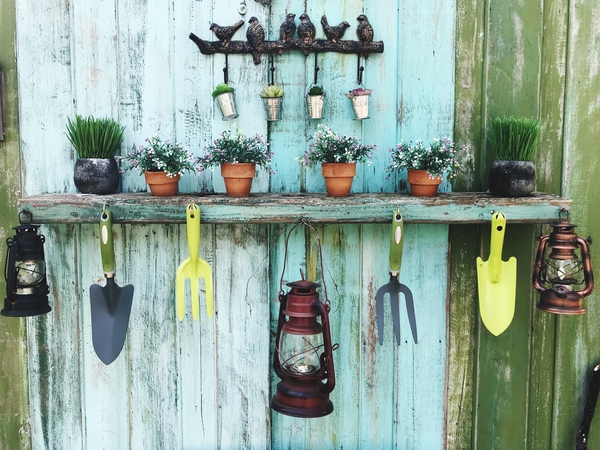
Organizing Your Garden Storage
Having a neat place to store your gardening tools can make you feel completely different about gardening.
When you can easily find your tools, keep your supplies safe, and keep your space clean, every job is faster and more fun.
A little organization can make a big difference, whether you have a big shed, a few storage boxes, or a mix of the two. What’s good news? You don’t need fancy systems; all you need is some careful planning and a few good habits.
The first thing you need to do is figure out what you really use.
Over time, many gardens collect old tools, empty pots, and things that were only half-used. You can start over by getting rid of everything and sorting it. This will help you see what you need to keep and what you don’t. After that, it will be much easier to put things in order.
Here are some useful tips from gardeners that will help you set up storage that works for you, not against you.
Tips for Organizing Your Garden Storage
1. Before you organize, get rid of things you don’t need.
Get rid of things you don’t use anymore, broken tools, and things that are past their expiration date. More usable space means less clutter.
2. Put things that are alike together
Put all of your hand tools in one place, your planting supplies in another, and your maintenance supplies in yet another. This saves time and stops people from buying the same thing twice.
3. Store by how often you use them
Things you use every day should be easy to get to, but tools you only use once in a while can be stored higher up or further back.
4. Make good use of vertical space
Hooks, wall racks, pegboards, and hanging organizers keep tools out of the way and free up floor space.
5. Put on simple labels
Put labels on boxes and bins so you can find what you need quickly. This is especially helpful for seeds, fixings, and small tools.
6. Pick containers that are clear or open.
When you can see what’s inside at a glance, you don’t have to dig through it and make a mess.
7. Keep things safe from moisture
Keep seeds, gloves, and other items in sealed or waterproof containers to keep them safe.
8. Make zones based on tasks
For instance, keep your potting tools near your compost and pots, and your pruning tools in one place.
9. For quick tasks, use trays or baskets.
A small basket or trug with the things you need makes quick garden tasks easy.
10. Check your setup once a year.
Your needs change, just like your garden. A seasonal clean-up keeps your system running smoothly.
A great garden job for January.
We at Good Garden Ideas think that garden storage should help you be creative, not get in the way. A tidy space not only looks better, but it also makes gardening more fun and relaxing.
These easy tips will help you find tools faster and spend more time enjoying the garden you’ve worked so hard to grow.
Common Questions About Garden Storage Solutions
1. How do I choose the right size for a garden shed?
Evaluate the number of tools and supplies you have and allow room for future expansion. It’s better to have slightly more space than you currently need.
2. Are plastic storage solutions durable?
Modern plastic storage options are often quite durable, resistant to rust, and lightweight. Just ensure they are UV-resistant if placed outdoors.
3. What is the best way to protect tools from rust?
Ensure tools are clean and dry before storing. Use a rust preventative spray or oil for additional protection.
4. Can I build my own garden storage?
Absolutely! Many gardeners opt for DIY solutions to customize their storage to fit their specific needs, often incorporating recycled materials.
5. How do I maintain my garden storage unit?
Regularly clean the storage unit, check for signs of decay or damage, and treat wooden units with weatherproof sealant as needed.
Summary
Taking care of your garden is just as important as doing the gardening itself.
You can keep your tools and supplies organized, easy to get to, and safe from the weather by choosing the right storage options.
You can change the way you garden by using a classic garden shed, portable tool boxes, or new vertical solutions to store your tools.
Enjoy gardening while keeping your space tidy!