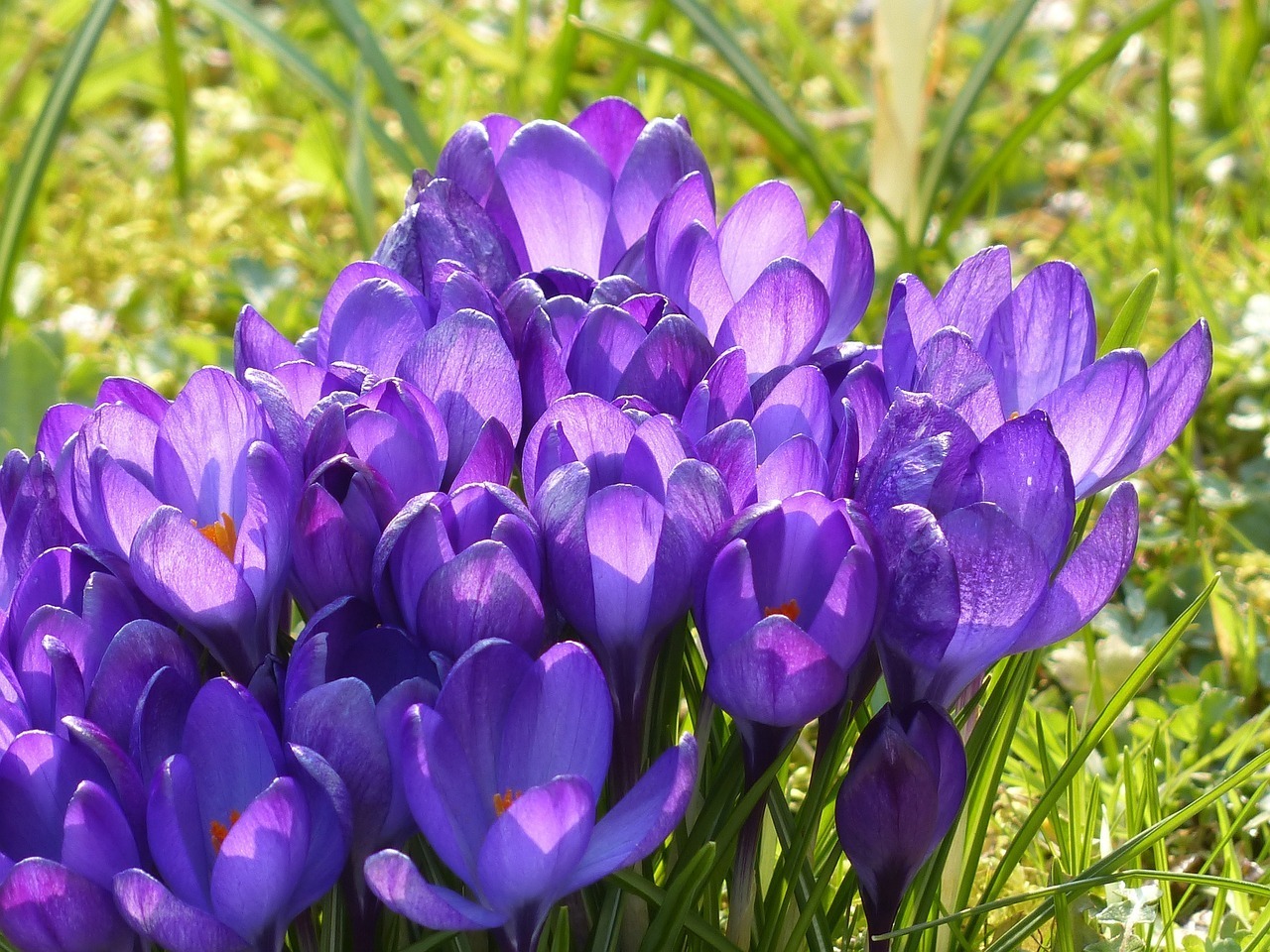
When the last remnants of winter have just begun to fade, the crocus bursts forth with its stunning array of colors and early bloom time, and its appeal has captivated the hearts of gardeners and nature lovers for thousands of years.
Crocus, is Greek word for “saffron.” We get the name “Crocus” from this. Well-known saffron, the world’s most expensive spice is obtained from the stigma of Crocus sativus, one of the members of the crocus family.
The ancient Greeks and Romans admired these flowers, using them in herbal remedies and decorating their gardens with them. The symbolism of crocus flowers is, to this day, deeply ingrained.
Crocus flowers are often associated with the very essence of joy, new beginnings and spring. In Christian culture crocus stands for resurrection which makes it a hit during Easter.
The different shades of purple, yellow and white these flowers come in get people thinking about happier times and basically represent the optimism of the start of spring.
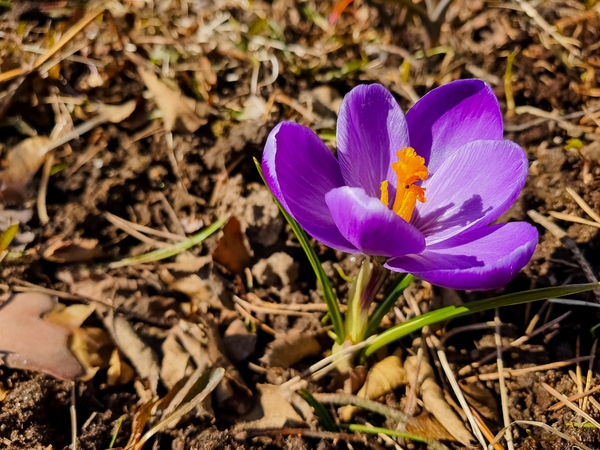
Types of Crocus Flowers
The Crocus genus is hard to miss, and its dainty, cup-shaped blooms are a harbinger for the end of winter, or the beginning of autumn.
Coming from the iris family, Iridaceae, there are over 90 known species of Crocus, many of them are able to grow in different types of environments, from high mountain meadows to sun-kissed Mediterranean hillsides.
The incredible diversity, grace and importance of crocuses make them a compelling group of plants that have won the hearts of gardeners, scientists and those who love nature.
When discussing the natural habitats of crocuses, they can be found in southern Europe, North Africa, the Middle East and stretching all the way through to Central Asia and western China.
These small to low-growing perennials have corms that they sprout from, and although lots of people think of crocuses as being the harbingers of spring, there are a few species that bloom in autumn, adding a much-needed splash of color to the garden.
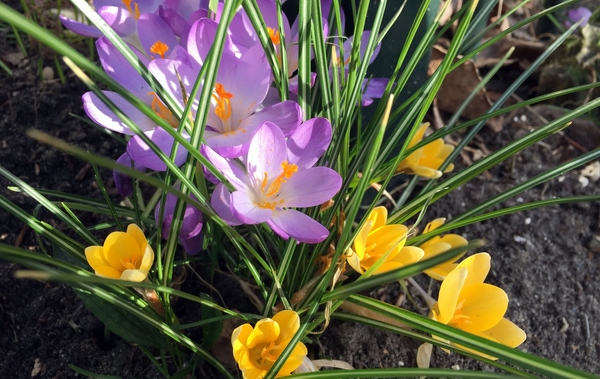
Spring-Flowering Crocuses
- The Crocus vernus, or “giant crocus“, is one of the most well-known in Europe, with its large purple, white and striped flowers.
- The “snow crocus” Crocus chrysanthus is, however, the one that blooms very early, frequently pushing its way through the snow, and heralding the arrival of spring.
- The Crocus sieberi is a Greek native that stands out in early spring gardens with its bicolored blooms in shades of violet and yellow.
Autumn-Flowering Crocuses
- Crocus sativus, also known as the most famous of the species, produces the highly sought-after spice, saffron, from the dried stigmas of its flowers, when autumn comes to a close. For thousands of years, its autumn bloom has been a hallmark for cultivation.
- Crocus speciosus is an ornamental, that gives out stunning violet-blue flowers and orange centre stigmas and is widely grown.
- Coming from the Caucasus region, Crocus kotschyanus brings a lovely lilac hue to the autumn landscape.
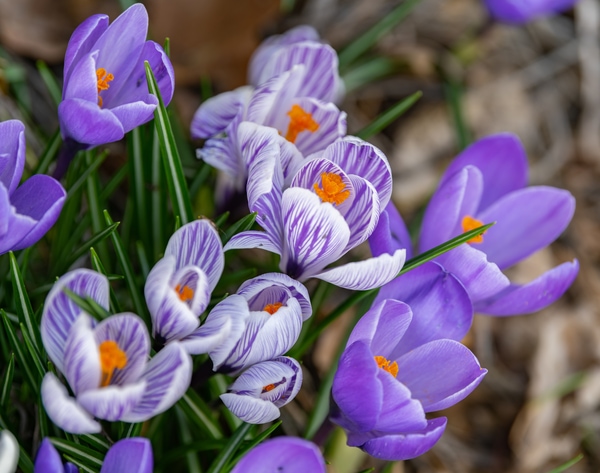
Planting and Caring for Crocus Flowers
You’ll see a beautiful explosion of color in your garden or landscape, when planting crocus.
Here are some essential tips for success:
1. When to Plant Crocus
Looking at to bring colour to your garden, crocuses are one of the best bets, being some of the first flowers to bloom in spring, or one of the last to add vibrancy in autumn.
Coming hotfooting out of the ground in time for a spring display or a late autumn colour fix, crocuses need to be planted at the right time.
Spring-blooming crocuses, like Crocus vernus and Crocus chrysanthus, should be planted in the autumn, roughly from September to November, to give them time to root over the winter months and get a jumpstart on the growing season in spring.
Autumn-blooming crocuses, such as Crocus sativus or Crocus speciosus, have a slightly different schedule and should be planted in late summer to early autumn.
2. Choosing the Right Location
Well-draining soil and a sunny to partially shaded location are essential for crocus to thrive. They can tolerate other types of soil but excel in the kind of soil that’s similar to their original habitat, which is sandy or loamy.
3. Planting Depth and Spacing
Planting the bulbs about 3 to 4 inches deep and 2 to 3 inches apart gives them space to grow and bloom.
4. Watering and Fertilization
Crocus doesn’t need much watering, once it’s established but an early spring boost can really perk up their bloom, and a balanced bulb fertilizer is great for encouraging healthy growth.
5. Post-Bloom Care
When the flowers fade, you shouldn’t cut the foliage until it’s turned yellow as the leaves are still working hard for the bulb, building up energy for next year’s blooms.
Common Questions About Crocus Flowers
Are crocus flowers deer-resistant?
Yes, crocus flowers are considered deer-resistant due to their bitter taste. However, hungry animals may still nibble on them if food is scarce.
Can crocus bulbs be planted in pots?
Absolutely! Crocus bulbs can thrive in containers. Select a pot with drainage holes, fill it with well-draining soil, and follow the same planting guidelines.
How long do crocus blooms last?
Typically, crocus blooms will last for about two weeks, depending on weather conditions. A proper growing environment can extend the flowering period.
Do crocus flowers spread?
Yes, many varieties of crocus, especially *Crocus tommasinianus*, are known for naturalizing and spreading over time. They can create stunning carpet-like displays in gardens.
The Benefits of Growing Crocus
Growing crocus flowers has several benefits that go beyond just their beauty:
- Early Color: Crocus heralds the arrival of spring and add vibrant colors to a garden after bleak winter months.
- Pollinator-Friendly: These flowers attract early pollinators, such as bees, helping to support local ecosystems.
- Low Maintenance: Crocus requires minimal care once established, making it ideal for busy gardeners.
- Versatile Planting: They work well in borders, rock gardens, and naturalized areas, providing aesthetic versatility.
Summary
If you’re looking for a sign that spring has finally arrived, the crocus is often the first bloom that we turn to, its vibrant colors embodying the spirit of renewal and beauty.
The same hardy flowers have inspired a profound sense of meaning to us by brightening our gardens while teaching us to savour each transient step of spring.
These flowers that defy cold winters will flourish when you give them space and support, you can, as a consequence, be proud of your contribution to an ecosystem that has been revived and celebrating the rhythmic cycle of life, and beauty’s essence. Be it in gardens, our thoughts will wander to their resilient elegance.
Since crocus flowers can be admired in either their natural setting or in our carefully tended gardens, they are reminding us that even in the delicate nature, grace is to be found as time progresses.
If you’re interested in improving your gardening know-how, local garden nurseries are great resources.