
A gravel garden design has a quietly magical quality. The soft crunch underfoot, the shimmering textures of stone and foliage, the way sunlight dances across silver leaves and seed heads – it all seems wonderfully natural and beautifully calm.
Gravel gardens can be surprisingly practical, best of all. They are easy to grow, drought tolerant, wildlife friendly, and adaptable to gardens large and small.
Here at Good Garden Ideas we think gravel gardens deserve a lot more attention than they get. A well designed gravel garden can be far from barren or dry, it can be rich in colour, movement, fragrance and life.
Gravel can provide the perfect base whether you’re looking for a contemporary courtyard, a Mediterranean-inspired retreat or a relaxed cottage-style space.
Learn how to design the perfect gravel garden.
Why Create a Gravel Garden Design?
Gravel gardens are becoming more and more popular these days and it is easy to see why. Few garden styles can combine beauty and practicality like this.
One of the biggest advantages is the low maintenance. It suppresses weeds , requires less frequent watering , and provides excellent drainage for plants that dislike wet roots . Once established, most gravel gardens require little more than sporadic weeding and seasonal cutting back.
Great for modern weather too. As summers get hotter and rainfall patterns become more unpredictable, planting drought-resistant species is no longer just a trend, but sensible gardening. Gravel retains moisture below the surface but does not become waterlogged during the wetter months.
And then there’s the visual appeal. Gravel adds texture, light and contrast. It can make small gardens feel more spacious, light up dark corners and give plants a neutral backdrop to really show off against.
The Nature of Gravel
Not all gravel is created equal and selecting the right type is an important part of the design process.
The size, colour and texture of gravel makes a huge difference to the feel of a garden. The light colored gravel reflects light and gives a warm Mediterranean feel.
A darker stone adds a more modern and dramatic touch. The rounded pebbles give a softness, while the angular gravel has a cleaner, sharper look.
Most garden paths and planted areas are best with about 10-20mm gravel. Easily scattered small gravel. Large stones can feel awkward underfoot.
Try to pick a gravel colour that complements your home and your planting palette. Warm buff + honey tones look great with grasses, lavender and terracotta pots. Slate and charcoal gravel are especially suitable choices for architectural planting and modern garden designs.
Designing your gravel garden layout
Every successful gravel garden begins with careful planning.
Before you even pick up a single spade, spend some time thinking about how the space will be used.
Are you seeking to meandering paths through planting? Somewhere to relax? Dry Riverbed Effect? Structural focal points like sculptures, big rocks, or ornamental trees?
Gravel gardens benefit hugely from strong shapes and clear structure. Less lawn, less defined edges, all the lines pop more.
Curved paths can give a garden, especially a cottage or Mediterranean garden, an informal, natural setting. Straight lines and geometric layouts feel more modern and minimalistic.
A useful way to approach this is to think in layers:
Hard landscape and pathways
Focal points and structure plants
Repetitive rows of plantings,
Containers and decorative elements.
Sketching ideas on paper first helps you to visualise balance and movement through the space.
Ground Preparation Done Right for a Gravel Garden Design
The secret of a gravel garden that looks good for years, rather than months, is good preparation.
First clear the area of all debris. Remove perennial weeds, as the gravel will not stop them from returning. Gravel gardens are naturally well-drained, so there is generally no need to improve drainage, but adding grit can be useful if the soil is very heavy clay.
Some gardeners use a weed-suppressing membrane under gravel, but opinions differ.
Membranes can also inhibit early weed growth but eventually may inhibit self-seeding plants and natural soil health.
Some designers prefer to ditch the membrane altogether and bank on dense planting in planting-heavy gravel gardens.
If you do use membrane, cut generous planting holes and secure the edges firmly before spreading the gravel.
To achieve a clean and long-lasting finish, aim for a depth of gravel of about 4–5cm.
Selecting Plants for a Gravel Garden
This is where the real art begins.
Gravel gardens thrive on loose, natural and layered planting. The best designs combine contrasting textures, heights and seasonal interest.
Drought-tolerant plants are of course the stars here, but there is huge variety within that category. And not just cactus-style planting and sparse arrangements.
Some of the great gravel garden favourites are:
- Lavender
- Verbena bonariensis
- Salvia
- Sedum
- Echinacea
- Russian sage
- Ornamental grasses
- Yarrow
- Thyme
- Euphorbia
- Agapanthus
Silver-leaved plants also often work especially well, reflecting sunlight beautifully against gravel surfaces.
Ornamental grasses are especially suited to gravel gardens. They blur edges, catch light and create movement in the gentlest breeze. Varieties like Stipa tenuissima or Miscanthus can turn a static space into something dynamic and alive.
Rhythm and unity are achieved by repeating plants throughout the garden. Think drifts and repetition rather than collecting dozens of different species for a more professional, calming effect.
Create interest throughout the year
One misconception is that gravel gardens look only good in summer. In fact, they can offer stunning year-round beauty if carefully designed.
Structure is everything. In winter, sculptural grasses, clipped forms, architectural plants and evergreen shrubs provide shape when flowers fade.
Another hidden treasure is seed heads. Letting faded echinacea, grasses and verbena pass into autumn and winter adds texture and movement, and provides food for birds.
Also, think carefully about seasonal succession.
A successful gravel garden should always have something in it:
Spring bulbs in gravel
Perennials flowering in summer
Autumn grasses and seeds
Bark texture and evergreen structure in winter
Every little detail counts. Frost on gravel on a winter morning can be as beautiful as midsummer flowers.
Using Gravel to Create Atmosphere
Good garden design is not just visual, it is emotional.
Gravel changes the feel of a garden. Nothing beats the sound of footsteps on stone for sensory experience, and paving can’t match.
Sunlight reflected from the pale gravel, warmth and brightness. Paths are soft planted to allow slow movement and exploration.
You can use these qualities intentionally to set an atmosphere.
For example, Mediterranean-inspired gravel gardens often include:
- Terracotta pots
- Olive trees
- Lavender
- Rosemary
- Warm-toned gravel
Meanwhile, a modern minimalist gravel garden may feature:
- Dark stone
- Sculptural evergreens
- Clean lines
- Steel or concrete elements
- Sparse but dramatic planting
Naturalistic gravel gardens are inspired by prairie planting or dry meadows and are heavily reliant on grasses and flowing perennial drifts.
There is no “correct” style of gravel garden. The trick is consistency. Pick a mood and stick to it throughout the design.
Small Space Gravel Gardens
One of the great things about gravel gardens is how they work in tight spots.
Gravel-based design can be a huge boon to small urban gardens, courtyards and even tiny front gardens. Replacing patchy grass with gravel reduces maintenance immediately and creates a cleaner, brighter look to the space.
In smaller gardens, simplicity is even more important. If you have too many different types of plants or decorations it can get crowded fast.
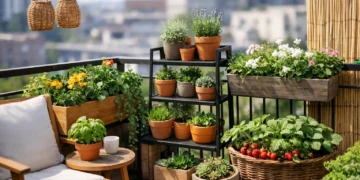
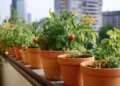
Go for a more muted palette of plants and materials. Repeating patterns and colours. Use containers wisely, but effectively.
Add mirrors, seating and soft lighting to help create depth and ambience without cluttering the space.
Help wildlife in a gravel garden
Gravel gardens can be much more wildlife-friendly than many people imagine.
Drought-tolerant flowering plants such as salvia, thyme, echinacea and verbena are loved by bees and pollinators. Seed heads attract birds, and dense grasses offer shelter for insects.
Don’t tidy the garden too much. Leaving some stems standing through winter benefits biodiversity and adds seasonal beauty
Water features make a huge difference too, even very small ones. A simple shallow bowl of water nestled amongst planting can attract birds and pollinating insects all summer.
Gravel Garden Design: Common Mistakes
Even the best ideas can go wrong when they are not executed with care.
One of the most common mistakes is planting too little. Gravel gardens needn’t be barren or desolate. Plants should naturally cascade, soften and weave through the stone.
Another problem is poor weed preparation. Spreading gravel over existing weeds seldom remains tidy.
The effect is also diluted by layouts that are too complicated. Often, elegance in gravel gardens comes from simplicity.
Finally, don’t consider gravel as just a decorative mulch. In a good design, gravel is a visual component — just as important as the plants themselves.
How to Maintain a Gravel Garden
Gravel gardens are less maintenance than traditional borders but they are not maintenance free!
The good news is that maintenance is fairly easy and manageable.
Occasional duties involve:
Wind-blown weeds removed
Pruning your perennials
Congested plants dividing
Smoothing surfaces with a gravel rake
Top up gravel as necessary every few years
Watering needs are usually minimal once plants are well established.
The one big thing to remember is not to plant in too rich soil. And many of the classic gravel garden plants actually prefer leaner conditions. Excessive fertility can result in floppy growth and reduced flowers.
The Allure of Gravel Gardens
The best thing about a gravel garden is that it can look designed but also natural.
A good gravel garden does not battle nature; it works with nature. Naturally plants move freely. Textures change with the seasons. Sunlight becomes part of the composition itself.
There is a quiet confidence about a gravel garden design. It eschews fussiness and prefers simplicity, texture and atmosphere instead.
Gravel lends itself to extraordinary possibilities whether you are re-designing a whole garden or just sprucing up one troublesome corner.
With a bit of planting, a bit of creativity and a bit of judicious structuring, even the most basic patch of stone can be turned into a layered and inviting space.
And that, at the end of the day, is the real art of gravel garden design.
FAQs
1. What exactly is a gravel garden?
A gravel garden is a style of garden landscaping that utilizes gravel as a major surface material along with drought resistant planting. These gardens are designed to be low maintenance, well draining and have a naturalistic appearance but provide colour, texture and seasonal interest.”
2. Are gravel gardens maintenance free?
Yes, one of the big pluses of a gravel garden is less maintenance. Gravel helps get rid of many weeds, improves drainage, and reduces mowing and watering. But, occasional weeding, pruning and tidying is still needed to keep the garden looking its best.
3. Do I need a membrane under the gravel?
Depends on the style of garden you want. Weed membranes can be helpful for weed control in the early stages, especially in paths, but some gardeners do not use them in planted areas because they prevent self-seeding and long term soil health. The dense planting can help suppress weeds naturally over time.
4. What kind of gravel is best for gardens?
Generally angular gravel of about 10-20mm size is best as it holds better than smooth pebbles. The best colour depends on your style of garden:
Pale gravel has a Mediterranean feel
Dark gravel suits modern design
Warm golden gravel complements cottage planting
5. Which plants thrive in gravel gardens?
Many drought tolerant plants do well in gravel gardens including:
Lavandula Sage
Verbena bonariensis.
Sedum (Stonecrop)
Ornamental grasses
Echinacea Thyme Russian sage
Plants often work especially well with silver foliage and airy textures.
6. Do gravel gardens help wildlife?
Yes of course. Gravel gardens planted with pollinator friendly flowers and grasses can bring in bees, butterflies and birds. Leaving seed heads over winter is also a good way to provide food and shelter for wild life.
7. Is it possible to have a gravel garden in a small space?
“Yes. Gravel gardens are great for small gardens, patios, courtyards and front gardens. Gravel helps to make compact spaces feel more open, brighter, and cleaner and reduces maintenance.
8. How deep should gravel be laid?
For most garden areas, the gravel should be about 4-5cm deep. If the water is too shallow, weeds can grow rapidly; if it is too deep, it may be difficult to plant.
9. Should gravel gardens be watered?
New plants need regular watering until established but mature gravel gardens are usually very drought tolerant. Gravel helps to hold moisture under the surface and avoids waterlogging.
10. Are gravel gardens colourful?
Yes. Well-designed gravel gardens can be full of colour, texture and movement all year round. Gravel gardens can be lush and vibrant rather than dry or sparse by combining flowering perennials, grasses, evergreen structure and seasonal planting.