The significance of water conservation techniques has become increasingly obvious in the last few years, especially in the face of potential water shortages.
These concerns have prompted many of us to come up with never-before-seen ways of saving water between the time we obtain it and the time we use it to keep our plants alive and flourishing.
What follows are water conservation practices that will allow you to effectively reduce the amount of water you use in your garden, without the plants in that garden experiencing any noticeable ill effects.
The Importance of Water Conservation Techniques in Gardening
Water is a valuable resource and absolutely necessary for the vitality and growth of plants.
When plants do not receive enough water, they perish, they do not thrive, and they do not set fruit or flower.
This is true in the many parts of the world where water is in short supply and makes it doubly important for those of us tending any kind of garden to conserve this wonderfully useful resource.
People can lessen their water usage, lower their water costs, and help make our planet sustainable if they apply water conservation methods to their gardens. Using water conservation techniques in gardening is good for the environment and for the plants that our environment grows.
Common Water Conservation Techniques for Gardening
There are a number of effective water conservation techniques that gardeners can use to cut their water usage while still keeping a lovely and fruitful garden.
Some of the most common techniques are:
1. Drip irrigation
Traditional methods of irrigation, flooding and sprinkling squander a lot of water because they send most of it evaporating into the air or running off the surface of the land.
Well-known for its ability to get water exactly where it needs to go – drip irrigation has become the go-to solution.
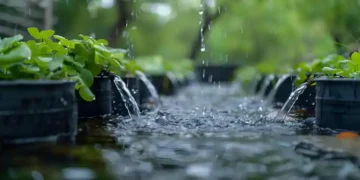
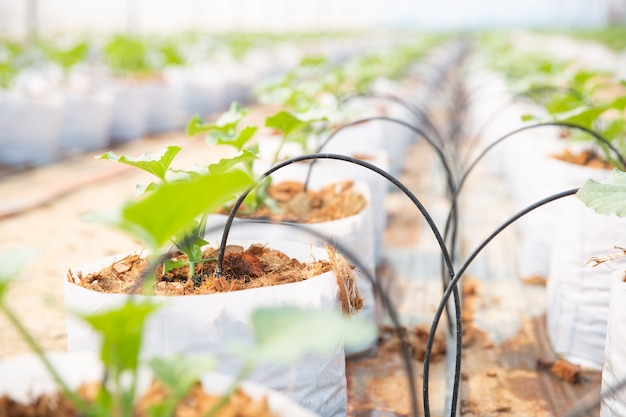
Drip irrigation, also known as trickle irrigation, is a method of feeding plants tiny, steady amounts of water right at their roots, through a network of tubes, pipes, emitters and control valves that manage the flow. Unfancy sprinklers spray water all over the place, whereas drip irrigation zeroes in on individual plants or rows.
By cutting down on evaporation, eliminating runoff and sending water precisely where it’s needed, drip irrigation is what’s behind the water-saving aspect. On average, drip irrigation chugs along with 30 to 50% less water than the old-fashioned way.
In addition to saving water, drip irrigation also has a number of other benefits, such as better plant health, and reduced stress on the plants.
In relation to water management, drip irrigation systems are at the forefront of agricultural and landscaping practices, offering a highly efficient, low-volume distribution of water to crops and plants, and disallowing weeds to grow in the surrounding soil.
A fundamental aspect of drip irrigation is the targeted application of fertilizers, a process called fertigation, and in return reduces waste and the amount of fertilizer running off.
Drip systems are highly adaptable and work well in diverse settings, from small backyard gardens to large commercial farms and thanks to this are becoming increasingly more common.
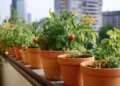
Practically speaking, drip irrigation has revolutionized the fields of agriculture, being most effective for row crops, orchards and vineyards, and is also used in landscaping, parks, golf courses and house gardens to maintain luscious greenery and conserve water, greenhouses, and urban areas including rooftop gardens and containers where potted plants get the water they need without a lot of waste.
However, the financial investment in the initial setup is higher than traditional irrigation systems and in order to avoid clogging issues the water should be filtered. Regular upkeep is basically a necessity too.
Well-designed systems will need to take into consideration the specific types of plants, soil conditions and availability of water and in order for drip irrigation to be truly effective.
Drip irrigation systems are among the best ways to conserve water in agriculture and landscaping, and basically, send water straight to the roots of the plants you’re trying to nourish, cutting down on waste, producing healthier plants and squandering less of the planet’s precious water resources.
2. Mulching
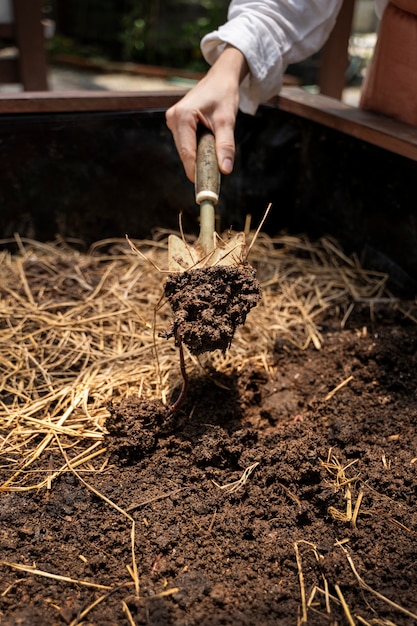
One of the most effective strategies for reducing water consumption in your garden or yard is to use mulch, which is essentially any material that you lay down on the soil surface.
Organic mulches such as straw, wood chips, leaves, compost and grass clippings can have a double benefit as they not only suppress weeds but also provide an insulation blanket on the soil surface that reduces the rate of evaporation.
Inorganic mulches, like gravel and landscape fabric don’t provide these benefits to the soil but are very effective in other aspects.
Water loss is lessened in two ways: by acting as a protective barrier against the atmosphere, and keeping the soil cooler in the summer, but warmer in the winter.
All this is achieved by spreading a layer of mulch on the soil. Additionally, loose soil absorbs water more effectively and, thanks to the suppressed weeds, less of that water is run off.
Beyond conserving water, mulch brings the extra benefit of healthier soil.
Since organic mulches are constantly decomposing, they feed the soil with nutrients, giving it a welcome structure and look that’s both tidy and beautiful.
To do it effectively you want to spread the mulch about 2 to 4 inches deep and a few inches away from the stems of plants.
Replenish the mulch when it decomposes, but with time you can notice the water-saving and garden health benefits.
3. Rainwater harvesting
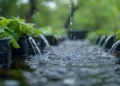
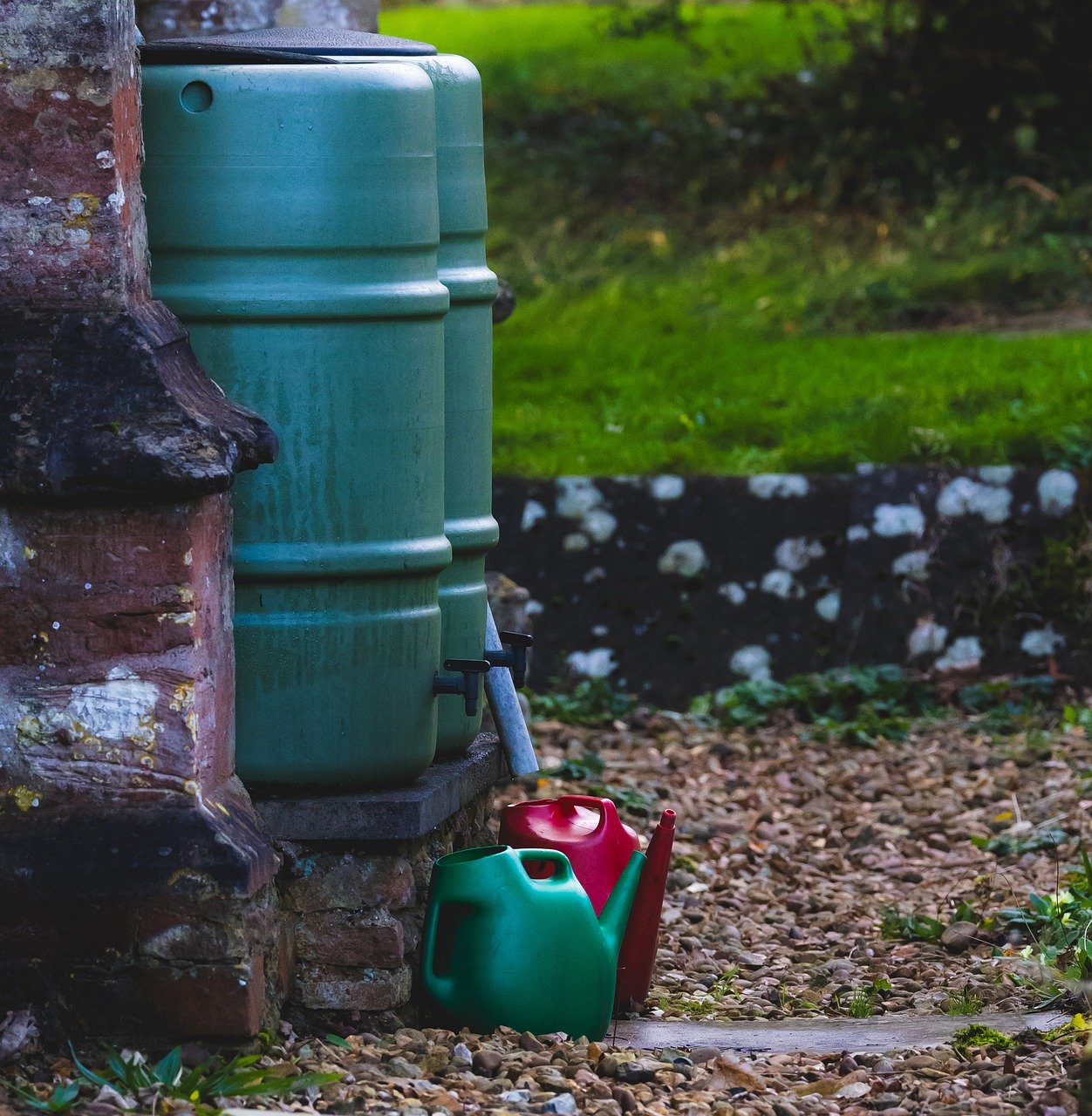
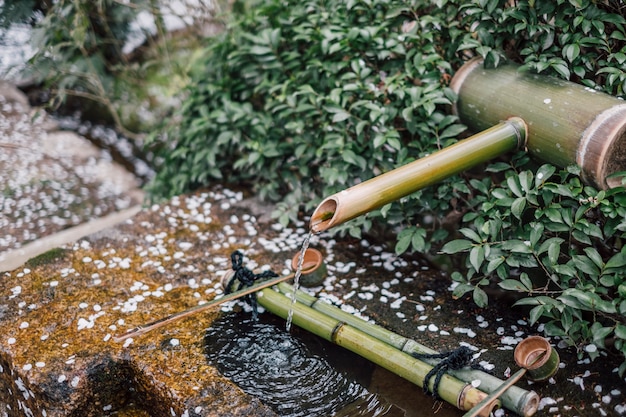
Rainwater harvesting is a very efficient and easy-to-implement solution to cut down on water consumption.
It involves capturing the rainfall from rooftops, hard surfaces and open land, sending it into holding tanks, cisterns or underground storage facilities, where it can be used for irrigation, cleaning, and even drinking, depending on the regulations in your area.
By reducing the amount of water drawn from municipal supplies and groundwater, rainwater harvesting conserves our water sources. The key benefits include:
Decreased groundwater depletion as less wells are drilled, lowering water rates, prevention of flooding and erosion by collecting the runoffs and replenishing the local water tables. Plus, using rainwater for non-potable needs cuts down on the load on public water systems.
A myriad of added benefits comprise reduced energy bills over time, healthier plants as rainwater is free of salts and chemicals found in treated water and promotes a more sustainable environment.
If done in a way to maximise efficiency, gutters, filters and covered containers should be part of the system and routine maintenance will thwart contamination and make sure it will work at all times.
4. Companion planting
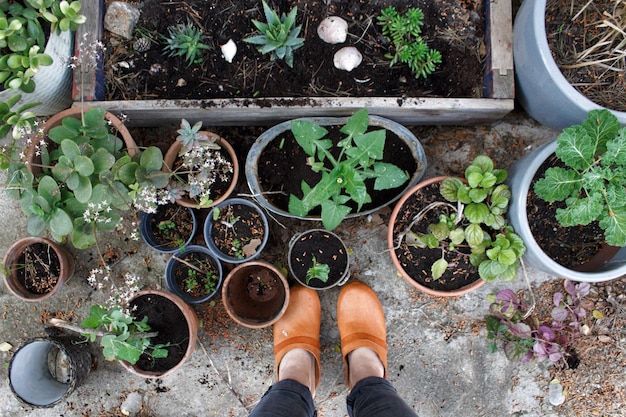
Companion planting is where two or more crops are grown together to benefit each other. Coming from traditional times, this method not only improves yields and repels pests but plays a huge part in saving water.
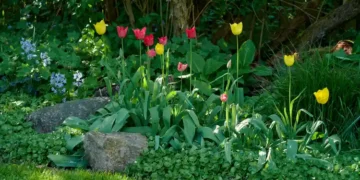
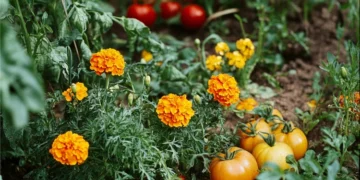
Well-known techniques for saving water through companion planting include using ground covers that prevent soil from drying out, tall plants that shade the soil and protect moisture-sensitive crops and deep-rooted crops that draw water from lower layers and shallow-rooted ones that exploit the moisture found near the surface.
All in a beautifully harmonious dance to conserve soil hydration.
Beyond water saving, companion planting provides more pluses. It gives us legumes that pump nitrogen into the soil to feed our other plants and herbs that send out aromatic waves that send pests away. When there’s a diverse array of crops in our soil, it becomes healthier, and more resilient to droughts and climate stress.
Since plants need different levels of watering, its best to group them according to these requirements, prevent overwatering some and underwatering others. Mulching is one more technique to help lock in soil moisture, and since there are thousands of possible pairings, successful results may depend on the climate and soil type.
Companion planting is, in essence, a free and low-cost technique that conserves water, enhances the overall health of our crops, so it’s no wonder why it’s gaining popularity with farmers and gardeners.
5. Soil amendment
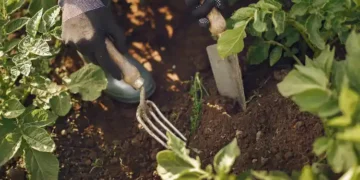
When it comes to sustainable gardening and farming, healthy soil is the foundation of a thriving system and conserving water is one of the most effective way to do so, coming in the form of soil amendment. Adding materials to perk up the state of your soil.
By sorting out the physical, nutritional and water-holding aspects of soil, soil amendments drastically cut down on the need for regular watering and send every single drop of water right where it needs to go, benefiting the plants.
Well-known organic matter such as compost, leaf mold and aged manure supercharge the soil’s ability to hold onto moisture, and function much like sponges, releasing the water to the plants over time.
Giving the soil lots of space to breathe and allowing water to soak in is also a major part of the equation.
If your soil is too compacted, it will just run off and evaporate.
Now, soils that drain too quickly are called sandy soils, while those that hold onto water are clay soils. Soil amendments can bring out the perfect balance in both, ensuring a steady supply of moisture to the plants.
Soil amendments also inject much-needed nutrients into the soil, give a boost to the beneficial microorganisms, and put a stop to soil erosion by fortifying the structure of the soil.
Before you start amending, you need to know exactly what your soil is lacking, which means testing it.
Regularly adding organic matter will keep the benefits going, and topping the amended soil with mulch will help lock in all of the moisture.
The Positive Impact of Water Conservation Techniques on Gardening
Water conservation in gardening is hugely beneficial for both the environment and plant health.
When we waste less water and use it more efficiently, we’re doing our part to protect our planet’s precious and limited natural water resources. And by directing that water to the plants that need it in the most effective way, we’re ensuring that the plants in our gardens are healthy and thriving.
Along with the ecological payoffs, the practices described here can save you time and money.
Using the techniques in this article, you can cut your irrigation water use in half—or more—compared to a conventional watering regimen.
That not only reduces the amount that you have to pay for irrigation, but it also lessens the number of hours that you have to put into watering, which is a much more sustainable way to garden.
FAQs: Common Questions About Water Conservation in Gardening
Q: What can I do to decrease the waste of water in my garden?
A: You can significantly reduce the water waste in your garden by using some techniques. For instance, you can use drip irrigation, which allows water to seep into the soil slowly and evenly. This method is more effective and conservative than using sprinklers, which can lose as much as 50 percent of their water to evaporation and wind.
Q: Will employing water-saving strategies impact my plants’ well-being?
A: The answer is no. The conservation techniques aim to make watering more efficient and to keep the plants healthy, even under restricted water conditions. In fact, many plants do better with less water when they are precisely watered.
Question: Is it hard to put into practice the methods of conserving water in my garden?
A: Definitely not! Most of the techniques for conserving water are simple to set up and demand very little of your time and attention. With a modicum of planning, and not too much work, you can have a garden that uses far less water than the average garden.
Summary
Revolutionizing gardening, water conservation techniques reduce waste, promote efficient use, and protect the environment.
By incorporating these techniques into their gardening routines, women and men can save water. And not only that, they can lower their bills and do their part to preserve our natural water sources for the next generation.
The gratifying and rewarding existence of gardening can become even more pleasing when sustainable water conservation practices are employed.
Such practices may include drip irrigation, rainwater harvesting, or other methods that ensure the right amount of water not only reaches your garden but also does so in a way that preserves our precious water resources.
While it is certainly possible to garden in a way that squanders water (think sprinklers set to soak a lawn in the middle of the day), it is equally possible to create a lush, verdant, and beautiful landscape that uses little or no water.