Introduction to Boston Ferns (Nephrolepis exaltata)
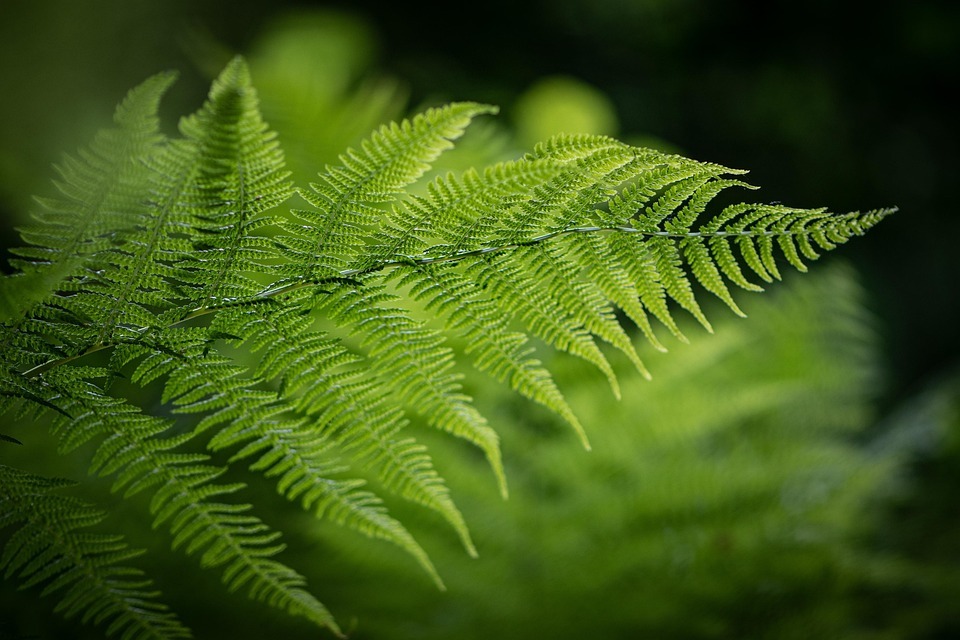
The Boston Fern (Nephrolepis exaltata) is a stunning houseplant celebrated for its feathery foliage and lush appearance.
For more than a hundred years, the Boston Fern has been quietly stealing the show in homes and gardens.
It’s easy to see why. This classic plant instantly makes any space feel fresh with its graceful arching fronds, soft feathery texture, and bright green glow.
The Boston Fern has a magical way of turning ordinary spaces into calming green retreats. It can sit on a sunny windowsill, hang down from a basket, or add life to a forgotten corner.
We love plants that not only look good but also change the way a space feels.
The Boston Fern is one of those plants. It’s like opening a window on a spring morning for plants. Everything feels lighter, softer, and more alive as soon as you put one in your home or garden room. It’s no surprise that it was popular in the Victorian era and has never really gone out of style.
The Boston Fern is especially appealing because it can be used in so many ways.
It looks great in both modern minimalist homes and cozy cottages full of character.
People who garden outside love it for patios and porches that are in the shade.
People who garden inside love how it grows well in bright, indirect light and gives back with lush, generous growth when you take care of it. It feels friendly, not scary, which makes it great for both experienced gardeners and those who are just starting out.
The Boston Fern is known for more than just its good looks. It is also said to make indoor spaces better. The thick leaves make the air feel humid and fresh, which makes rooms feel more comfortable and connected to nature.
In a world where we want more and more calm, restorative spaces, being around plants like this isn’t just a trend; it’s a change in how we live that leads to better health.
Like any other living thing, the Boston Fern has its own likes and dislikes. It loves moisture, likes things to be the same, and does best when its natural forest habitat is respected.
But don’t worry, you don’t need to be an expert gardener to take care of one. If you make a few small changes and pay attention, you’ll soon be rewarded with waves of healthy green fronds.
We’ll talk about everything you need to know about growing and taking care of the Boston Fern in this article. We’ll cover everything from picking the right spot to keeping it healthy all year.
Get ready to find out why this beautiful green plant keeps winning hearts and bringing life to places all over the world.
Features and Characteristics
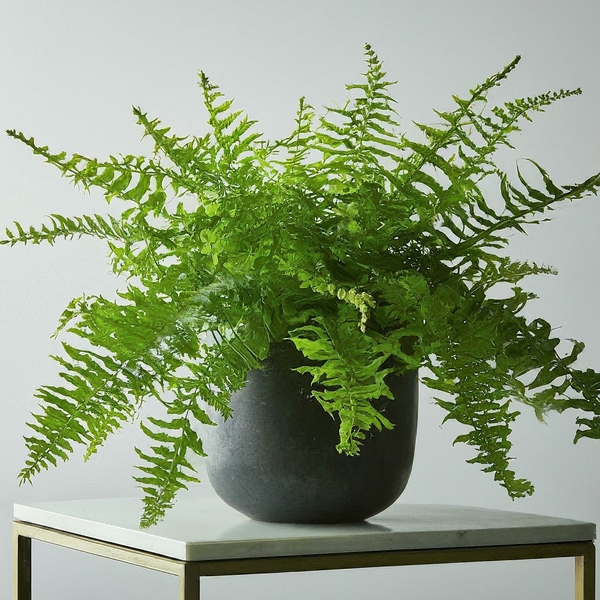
One of the standout features of the Boston Fern is its arching fronds, which can grow up to 3 feet long.
The leaves are delicate and finely divided, creating a rich texture that adds depth to your interior design.
In addition to their aesthetic qualities, Boston Ferns are known for their air-purifying abilities, helping to remove toxins and enhance indoor air quality.
Benefits of Boston Ferns
Some plants come and go with the seasons, but the Boston Fern is one of those plants that never goes out of style. It has soft, arching fronds and a wonderfully lush look.
It’s more than just a decorative houseplant; it’s a natural mood booster, space enhancer, and gentle reminder to slow down and enjoy some greenery every day.
We at Good Garden Ideas think that the best plants are those that are both beautiful and useful. Boston Ferns are a great example of this.
Let’s look at why this plant is still a favorite among gardeners, interior designers, and people who are just starting out with plants.
A Natural Way to Freshen the Air
People talk a lot about how Boston Ferns can help make the air inside better. Boston Ferns don’t replace good ventilation, but they do make the air feel fresher just by doing what they do naturally.
Their thick leaves release moisture into the air through transpiration, which can help fight dry indoor conditions.
This is especially helpful in the winter when central heating makes rooms feel stuffy. Many people who love plants say that rooms with Boston Ferns feel cooler, softer, and more comfortable to be in.
Adding a Boston Fern to your home might be a surprisingly easy way to make the air inside more balanced if you have dry skin, scratchy throats, or rooms that are full of static.
Instant Peace and Health
A Boston Fern is definitely calming. Its feathery fronds sway gently in the wind, making a soft movement that feels almost like meditation.
Studies show that being around plants can lower stress, lift your mood, and help you focus. Boston ferns are great at making you feel calm.
Boston ferns don’t ask for attention like bold statement plants do. Instead, they make you feel calm. They make sharp edges in a room less harsh, which makes the space feel more inviting and lived-in.
Many people naturally want to be in rooms with plants, and Boston Ferns are great at making that peaceful, calming atmosphere.
In short, they don’t just make your home look nice; they also change how it feels.
A design dream for any room
The Boston Fern is one of the most versatile plants for styling. This plant fits in perfectly with any style of home, whether it’s modern and simple, vintage and charming, bohemian and cozy, or country and warm.
Put one in a basket and it will look like a dramatic waterfall. It adds height and texture to a plant stand. Put it on a shelf, and it will instantly make hard lines and empty corners look softer.
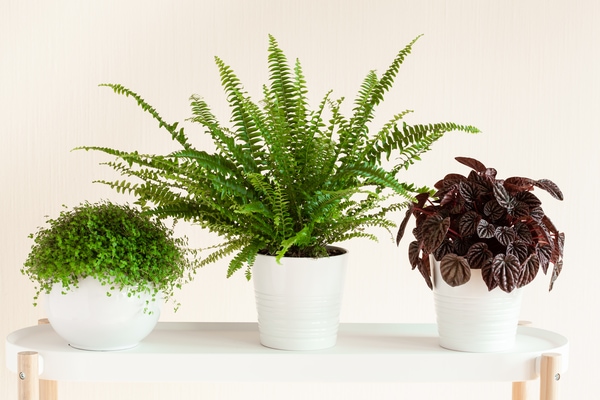
Boston ferns have very fine, detailed leaves, so they look great with plants that have bigger leaves, like monstera or rubber plants. Together, they make indoor jungles that aren’t too much for a room.
Learn more about indoor gardening >
They work best in places that need a little softness, like bathrooms, bedrooms, reading nooks, and shaded patios.
A Humidity Helper
Boston ferns do well in humid places, which means they help make those places humid. This makes them especially useful in homes where the air is usually dry.
A good example is the bathroom. Indirect light and regular steam together create an environment that is similar to the fern’s natural habitat, which often leads to very healthy growth.
Kitchens and conservatories can also be great places for ferns to grow.
Boston Ferns can even help nearby plants that like more humidity, which is great for plant collectors. Think of them as friendly builders of ecosystems that quietly make things better for the plants around them.
Peace of Mind for Pet Owners
One of the most important things for pet owners to think about is what houseplants are safe for cats and dogs to be around. Boston Ferns are widely thought to be safe for pets, which is good news for people who love animals.
This means you can enjoy the lush greenery without having to worry about paws that nibble or accidents happening all the time.
Boston ferns are a great choice for families who want to add plants to their shared living spaces without adding stress.
Confidence booster for beginners
Even though they look fancy, Boston ferns are surprisingly easy to care for once you know what they need. They like to be kept moist, get indirect light, and be fed every so often. It’s not too hard.
This makes them a great plant for new gardeners who want to boost their confidence. You quickly learn to read the plant’s signals.
For example, if the fronds are a little pale, it might need food, and if the tips are crispy, it might need more water or humidity. Seeing a Boston Fern thrive after being cared for can be very rewarding and can make you love gardening even more.
Many people who have owned plants for a long time will tell you that their Boston Fern was one of the first plants that really taught them how to care for living plants.
Greenery All Year Long
Boston Ferns are always beautiful, unlike seasonal flowering plants. You don’t have to wait for blooms or worry about off-seasons; their appeal comes from their constant, evergreen presence.
When it’s winter and the gardens outside may look bare and gray, a healthy Boston Fern inside keeps you in touch with nature. In the summer, it moves beautifully outside to shaded patios or balconies, making the line between indoor and outdoor living less clear.
Because it can change to fit different situations, it’s one of the most useful plants you can have.
A Plant with a Story and a Personality
Boston ferns also add a touch of old-world charm. They were popular in the Victorian era and were once seen as signs of elegance and refinement. People proudly displayed them in parlors and conservatories.
Bringing one into your home today feels like continuing a long tradition of gardening. This shows that great plants never really go out of style.
Even though it has a long history, the Boston Fern feels very modern. Biophilic design is the idea of reconnecting homes with nature. As more people adopt this idea, this classic plant fits in perfectly with modern lifestyles that value health and the environment.
The Plant World’s Quiet Star
The Boston Fern may be most useful because it makes everyday life so much easier. It doesn’t scream for attention or need a lot of complicated care. Instead, it quietly changes spaces, makes them more comfortable, and adds a soft sense of life wherever it grows.
The Boston Fern is proof that sometimes the most traditional choices are still the best, whether you’re building a whole indoor jungle or just adding your first houseplant.
It’s a true green friend for modern life because it’s lush, generous, calming, and always rewarding.
Once you let one into your home, it’s hard to picture your home without it.
How to Care for Your Boston Fern
The Boston Fern would be the friendly houseplant that loves a little attention and gives you a lot of it in return.
This classic plant has soft, cascading fronds and a bright green color that instantly brings a room to life.
The good news is? Caring for a Boston Fern isn’t hard, even though it looks nice. It just needs consistency and a little bit of understanding.
We at Good Garden Ideas think that taking care of plants well is more about figuring out what they like than following strict rules. Once you know what your Boston Fern likes, it’s very easy to keep it healthy and full of life.
Finding the Right Place
When it comes to taking care of Boston ferns, location is everything. These plants naturally grow in forests that are shaded, so they like bright, indirect light better than direct sunlight.
The best place to sit is near a window that faces north or east. They love a lot of light, but the sun in the afternoon can burn their delicate fronds, making them pale or crispy.
If the only option is a window with more light, just pull the plant back a little or use a curtain to block some of the light.
Boston ferns can also grow in areas with a little less light, but their growth may slow down a little. Think about soft, filtered light instead of bright light.
Watering: The Key to Success
Moisture is the most important thing for a happy Boston Fern. These plants don’t like it when the soil dries out completely; they like it when it stays slightly damp.
Touch the surface of the soil every few days to check it. It’s time to water if the top inch feels dry. Water the plant well until water starts to drip from the bottom of the pot. Then let the extra water drain away. Boston ferns like moisture but don’t like sitting in wet soil.
Being consistent is more important than being perfect. Fronds often turn brown or fall off because they don’t get enough water.
A useful tip? Boston ferns are great at talking to each other. Leaves that are yellowing or drooping often mean that the plant is thirsty, while leaves that are yellowing can mean that the plant is getting too much water.
Humidity Is Your Best Friend
Boston ferns really do well in wet weather. Dry air inside, especially during the winter when the heat is on, can make the tips of leaves crispy.
It’s easy to raise the humidity:
- Lightly mist the plant a few times a week.
- Put the pot on a tray of pebbles that is full of water.
- Put plants together to make a small, humid environment.
- Put it in rooms that are naturally humid, like bathrooms or kitchens.
A lot of gardeners find that their Boston Fern grows best in a bathroom with bright, indirect light. Steam from showers is a perfect copy of its natural home.
Picking the Right Pot and Soil
Boston ferns like soil that is light, drains well, and holds moisture. A good houseplant compost works well, especially if you mix in some peat-free compost or coconut coir to keep the water in without making it too heavy.
It is very important to have good drainage. To keep water from pooling around the roots, always pick a pot with holes in the bottom. It’s fine to have decorative outer pots, but make sure that extra water can get out after watering.
Every few years, repotting helps refresh nutrients and gives roots that are growing more room. This job is best done in the spring.
Feeding for Healthy Growth
Boston Ferns like to be fed regularly during the growing season, which is usually from spring to early autumn.
Every two to four weeks, use a balanced liquid fertilizer for houseplants to help the fronds grow strong and healthy. You don’t have to give them a lot of food; a little bit is better than a lot.
In the winter, growth naturally slows down, so you can cut back on feeding or stop completely until spring comes back.
Pruning and grooming
One of the best things about taking care of Boston Ferns is how good it feels to keep them clean. It’s normal for older fronds to turn brown over time as they get older.
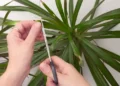
Use clean scissors to cut off any fronds that are dead or broken at the base. Grooming the plant regularly helps it grow new leaves and keeps it looking full and healthy.
Don’t be scared to cut. Boston ferns do well with care and often grow back even thicker and greener.
Comfort and Temperature
Boston ferns like indoor temperatures that stay between 16 and 24 degrees Celsius. They don’t like sudden drafts, cold windows, or being near radiators and heating vents.
Many gardeners like to move their ferns outside in the summer. If you do, pick a spot that is shaded and protected. Before the weather gets colder in the fall, bring it back inside.
The magic word is “consistency” again.
A Plant That Pays Off When You Pay Attention
The best thing about taking care of a Boston Fern is how responsive it is. Give it the right amount of light, water, and humidity, and it will quickly reward you with graceful, arching fronds that seem to grow right in front of your eyes.
Many gardeners find that taking care of a Boston Fern becomes a relaxing part of their weekly routine. They water it, mist it, trim it, and just enjoy having it around. It makes you slow down, pay attention to small changes, and reconnect with nature inside.
And maybe that’s what makes this plant so beautiful. It doesn’t expect you to be perfect. It just needs some care, consistency, and a little observation.
If you take care of your Boston Fern, it will turn your home into a lush, calming green haven, one feathery frond at a time.
Common Issues and Solutions
People say that Boston Ferns are a little dramatic, but don’t let that stop you from getting one. In reality, they are just plants that show how they feel.
They quickly let you know when something isn’t right by changing their leaves. The good news is? Once you know what your Boston Fern is trying to tell you, most of its problems are easy to fix.
We like to think of plant troubleshooting as being like a detective at Good Garden Ideas. Let’s talk about the most common problems with Boston Ferns and how to fix them without getting stressed.
1. Brown Tips on Leaves
Why it happens: Most of the time, it’s because the air is too dry or the water isn’t consistent. Boston ferns like air that is moist and don’t like it when it dries out.
The answer:
- Mist it often or use a pebble tray.
- Make sure the soil stays evenly moist.
- Take the plant away from heating vents or radiators.
When the humidity goes up, new growth should look healthy and green.
2. Leaves turning yellow
Why it happens: Too much water is usually to blame, especially if the soil feels wet. Roots can die if the drainage is bad.
The answer is:
- Let the top layer of dirt dry out a bit before you water it.
- Make sure the pot has holes for drainage.
- After watering, take the decorative outer pots off.
This usually gets better quickly with good watering habits.
3. Shedding suddenly or dropping leaves
Why it happens: Boston ferns don’t like it when their environment changes suddenly. Moving rooms, changes in temperature, or drafts can all cause leaves to fall.
The answer:
- Keep the plant in a place where it won’t move.
- Stay away from drafts from cold windows and doors.
- After moving, give it some time to get used to it.
Think of it as your fern settling into a new routine.
4. Growth that is pale or weak
What causes it: not enough light or nutrients.
The answer:
- Change to brighter light that isn’t direct
- In the spring and summer, give them a balanced liquid fertilizer.
Boston ferns like bright light, but not direct sunlight.
5. Fronds that are dry and brittle
Why it happens: The air is too dry or you forgot to water it.
The answer:
- Raise the humidity
- Look at the moisture level in the soil more often.
- Put plants in groups to make a humid microclimate.
Boston ferns do very well in bathrooms and kitchens.
6. Pests Showing Up
Why it happens: Ferns are more likely to die when the weather is dry.
The answer:
- Gently wipe the leaves with a damp cloth.
- Rinse with warm water
- If you need to, use insecticidal soap.
Pests are much less likely to bother plants that are healthy and humid.
The Golden Rule is to be consistent.
The main thing that causes problems with Boston ferns is inconsistency. They like air that is humid, temperatures that stay the same, and moisture that stays the same. These plants become surprisingly easy to care for once you find that balance.
Don’t worry if your fern doesn’t look happy. Make small changes, watch how it reacts, and keep in mind that new growth is the best sign. If you wait a little while, your Boston Fern will come back to life and be the beautiful green star of your space again.
Styling Your Boston Fern
A Boston Fern is very easy to care for. The soft, flowing fronds make a room feel calmer, fresher, and more welcoming right away, as if nature has quietly moved in and made itself at home.
People love Boston Ferns because they are easy to care for, but they are also very flexible when it comes to decorating.
We at Good Garden Ideas think that plants shouldn’t just live in your home; they should make it better. The Boston Fern is great for this because it can be both a decoration and a living design element.
Here are some stylish and useful ways to show off your item if you’re not sure where it will look best.
1. The Classic Hanging Basket
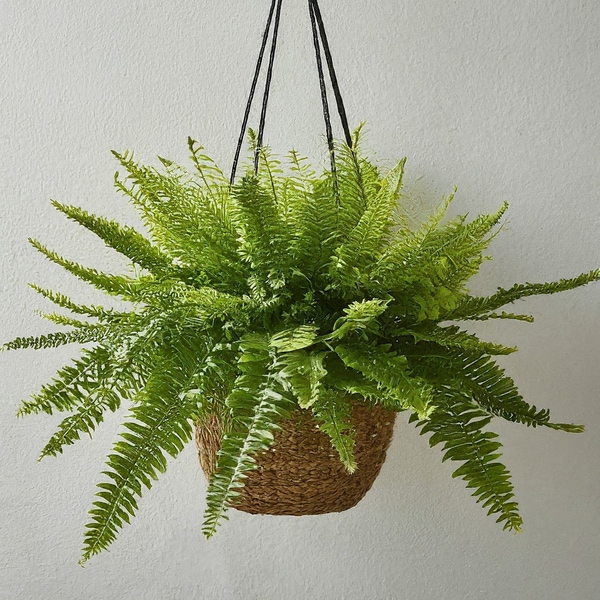
This is the look that Boston Ferns are known for. Hanging baskets let those graceful fronds fall down naturally, which adds movement and softness to a room.
The best places are:
- Near bright windows that don’t let in direct light
- Corners of the kitchen
- Places to read
- Porches or conservatories with roofs
Hanging your fern also keeps surfaces clear and adds interest at eye level. It’s perfect for smaller homes where space is important.
2. Put it on a plant stand to raise it up.
Boston ferns like to be a little taller. Putting one on a plant stand raises the leaves so the fronds can bend freely instead of being pushed against furniture.
Try to style it:
- Next to a chair or sofa
- In a corner that needs some life
- Next to a bookshelf with plants on top of each other
Wooden stands give a space a warm, natural feel, while metal or simple designs look great in modern spaces.
3. Make your bathroom a peaceful place
Boston ferns do really well in bathrooms, even though you might not think so. The humidity from showers makes the space feel like a spa and helps the plants grow by making it feel like their natural habitat.
Put your fern:
- On a shelf close to a frosted window
- Next to the mirror
- On a small table or stool
Your bathroom will feel like a high-end spa when you add a candle, soft towels, and another leafy plant.
4. Make shelves and bookcases softer
Sometimes, shelves can feel stiff or too organized. A Boston Fern instantly makes hard lines softer and adds flow.
Let the fronds gently hang over:
- Edges of the bookcase
- Shelves that float
- Cabinets or sideboards
The difference between structured furniture and flowing plants gives the room a relaxed, designer look that you see in magazines.
5. Put with other houseplants
Boston ferns look great when they are part of a plant collection. Their soft, feathery texture looks great next to plants with big leaves.
Try mixing them with
- Plants that grow tall
- Tropical plants with big leaves for drama
- Small plants that grow on top of each other
Mixing different shapes and textures gives the room a lush garden look without making it too crowded.
6. Frame a Window in a Natural Way
Don’t just use windows to let in light; use them to add style to your home. Boston ferns look great around a window, whether they are hanging or sitting on a nearby surface.
This works best for:
- Bay windows
- Windowsills in the kitchen
- Home office set up
The plants draw the eye out and make the line between inside and outside less clear.
7. Bring Life to Corners That Have Been Forgotten
Every house has that empty corner that makes it feel unfinished. Boston ferns are great at solving problems.
A Boston fern can:
- Fill visual gaps
- Balance furniture layouts
- Make unused spaces feel intentional
Because their leaves spread out, they make a space look fuller without adding a lot of furniture.
8. Pick the Right Style of Pot
The pot you pick makes a big difference in how your fern looks.
For different looks:
- Terracotta gives a relaxed, natural look.
- White ceramic for a simple, modern look
- Woven baskets add a cozy, natural touch.
- Old-fashioned containers for a cozy cottage look
The plant’s bright green color stays the star in neutral pots.
9. Change with the seasons
One of the best things about houseplants is that they can be moved around. You can move your Boston Fern around your house all year long without being afraid.
It might like a shaded patio or balcony in the summer. Move it to brighter places inside during the winter so it can lift your spirits on darker days.
Moving plants around can give your home a new look without having to buy anything new.
Let Your Fern Set the Tone
In the end, styling a Boston Fern isn’t about following strict design rules; it’s about making the room feel good. These plants naturally make a home feel softer, calmer, and more alive.
They help rooms feel more relaxed and lived-in, whether they are hanging dramatically from the ceiling or quietly filling a corner.
Adding a little more green is sometimes the best way to decorate, not getting another piece of furniture or art. The Boston Fern is one of the most beautiful plants that can do that job.
Boston Fern in Different Spaces
Boston Ferns can thrive in various environments, making them versatile additions to different areas of your home.
1. Living Room
In the living room, place Boston Ferns near windows or on stands to create an inviting space filled with green. They’re perfect for creating a relaxing ambiance.
2. Bathroom
Given their love for humidity, Boston Ferns are ideal bathroom plants. They can liven up your space while benefitting from the steamy atmosphere.
3. Office
Bring a Boston Fern into your home office to improve air quality and reduce stress. Their calming presence can boost productivity and refresh your mood.
FAQs
People love Boston ferns for their beautiful, full fronds, but they also have a lot of questions, especially for people who have never owned a plant before.
You’re not the only one who has ever wondered if you’re giving your plants too much water or light, or why the tips of their leaves keep turning brown.
Here are the most common questions gardeners have about Boston Ferns, along with simple, clear answers.
1. How often do I need to water my Boston Fern?
Boston ferns like soil that is always moist, not dry or too wet. Every few days, check the soil and water it when the top inch feels a little dry.
In the summer, this could mean watering once or twice a week; in the winter, it could mean watering less often.
2. Why are the ends of my fern getting brown?
Brown tips usually mean that the humidity is low or that the plant is getting water at different times. Boston ferns like humid air, so try misting them often, using a pebble tray, or moving the plant to a room with more humidity, like the bathroom or kitchen.
3. Do Boston Ferns need to be in direct sunlight?
No, direct sunlight can burn their delicate fronds. They do best in bright, indirect light. Think of a place where the sun shines through a window but not directly on it.
4. Is it hard to take care of Boston Ferns?
Not at all! They just like things to stay the same. They are surprisingly easy and very rewarding plants once you keep the water, humidity, and light levels stable.
5. Why are the leaves on my Boston Fern falling off?
Leaf drop often happens after:
- Moving the plant
- Sudden temperature changes
- Drafts or dry air
Give your fern some time to get used to its new home and keep things the same.
6. Is it possible for Boston Ferns to grow outside?
Yes! Boston ferns love being outside in the spring and summer, as long as they are in areas that are mostly or completely shaded. Before the temperature drops below 10°C, bring them inside.
7. What can I do to make my Boston Fern fuller?
Bushy growth is encouraged by regular care:
- Keep the soil wet all the time.
- Give them a little food in the spring and summer.
- Cut off fronds that are old or brown
- Pruning actually makes new, fuller growth happen.
8. Do Boston ferns need a lot of moisture?
They like it a lot. The hardest part about growing Boston Ferns is that the air inside is dry. Fronds stay lush in bathrooms, kitchens, plant groups, humidifiers, or by being misted on a regular basis.
9. Is it safe for pets to be around my Boston Fern?
Yes, Boston Ferns are generally safe for cats and dogs, so they are a great choice for homes with pets. (But pets that are interested may still like to chew on the leaves!)
10. How often should I move my Boston fern?
Every one to two years, usually in the spring, when:
- The pot is full of roots.
- Slower growth
- The ground dries out very quickly.
Pick a pot that is a little bigger, has good drainage, and fresh compost.
Final Tip
Boston ferns are easy to read. Their leaves tell you when something needs to be changed. Once you know how to read their signals, taking care of them is easy.
Your Boston Fern will give you beautiful, cascading greenery all year long if you keep it moist, give it some light, and keep the humidity up.
Summary: A Lush Investment
Boston Ferns add a lush, colorful touch to your home, whether you’re an experienced plant parent or just starting out.
If you take good care of these ferns, they can grow well and add beauty and benefits to your space for many years. Add a Boston Fern to your indoor plant collection to enjoy the peace and health benefits of nature.
Adding a Boston Fern to your home not only makes it look better, but it also makes it a healthier place to live. So why not? Bring this beautiful green wonder home and enjoy all the good things it has to offer!