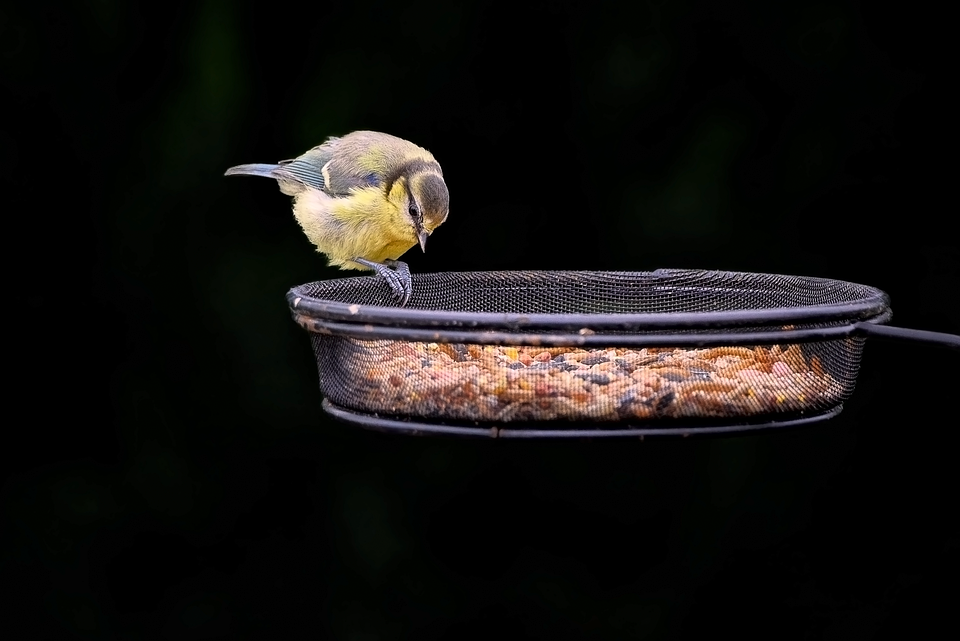
You’re not only connecting with nature, you’re providing a welcoming space for the feathered residents of your area, when creating a bird-friendly backyard.
A bird feeder plays a significant part in attracting a variety of species and we’ll look at the top 10 garden bird feeders on the market, and supply you with useful advice, hints and a lot of the answers to the questions you’ll ask.
See also The Ultimate Guide to Attracting Robins to Your Garden
Why Use Bird Feeders?
Before we dive into the types of bird feeders, it’s essential to understand the benefits they bring to your garden:
- Attracting Birds: Feeders attract a diverse range of species, from songbirds to woodpeckers, creating a lively atmosphere in your garden.
- Supporting Wildlife: Supplementing natural food sources during harsh weather or drought helps birds survive and thrive.
- Educational Opportunities: Birdwatching offers educational moments for families, teaching kids about nature and the importance of biodiversity.
- Aesthetic Appeal: Well-placed bird feeders can enhance your garden’s beauty, adding decorative elements while serving a purpose.
Top 10 Garden Bird Feeders
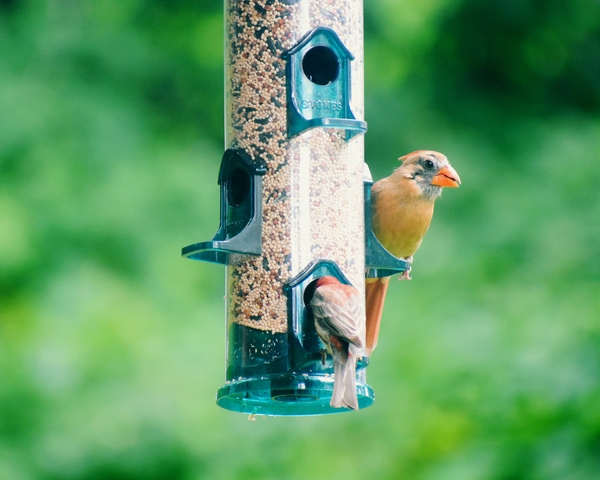
1. Tube Feeders
Tube feeders are hard to beat, and they’re certainly the most popular.
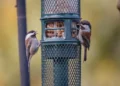
Coming in a cylindrical shape with multiple feeding ports, these feeders allow a number of birds to feed at the same time, while the enclosed design keeps the seeds clean and dry, and protected from the elements.
They are made from heavy-duty plastic or metal and are perfect for dispensing small seeds such as sunflower seeds, nyjer, or mixed birdseed, which is exactly what you want to attract, depending on the species you are trying to lure.
Bird tube feeders have a number of great features including clean efficiency, being able to cater to a wide range of small to medium-sized birds.
From finches, chickadees and sparrows, their easy to refill and clean nature, thanks to their detachable bases and tops, and are able to stop larger birds from pushing out the smaller ones.
Well-known drawbacks of tube feeders are that they are unable to manage larger seeds, like peanuts and corn, and can become clogged, and require regular cleaning or else mould and bacteria can grow. Because the perches are so narrow, they aren’t really suitable for ground feeding birds.
2. Platform Feeders
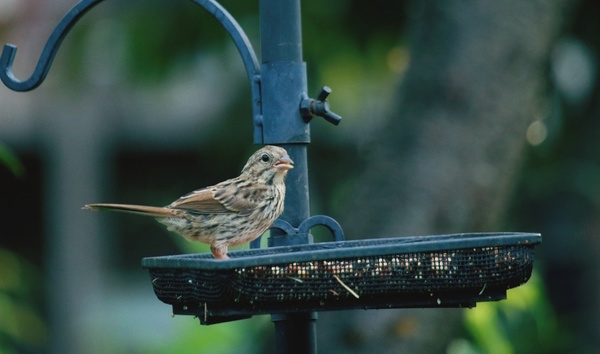
In relation to feeding the birds in your yard, one of the best ways to attract a wide variety of species is with a bird platform feeder, also known as a tray feeder.
Coming in a simple design made out of wood, metal or plastic, these feeders can be set up on the ground, on a post, or hanging from a roof, and have got such open designs that any bird can easily drop in and out of them, and they can be filled up with a lot of different types of grub.
Seeds, nuts, fruits, mealworms and even leftovers from the kitchen, which makes them an excellent choice for anyone who wants to see a lot of different types of birds at their feeder.
Well-known for being user-friendly, one of the biggest pluses of platform feeders is that they can be easily cleaned out and refilled, thanks to their flat surface. Plus, the way the feeder is designed encourages the birds to feed in a way that is completely natural, mimicking the way they would feed on the ground, and gets them hopping around your yard all over again.
However, there are a few downsides to platform feeders, they don’t protect the food from the elements, so rain and snow can ruin what you’ve stocked, and they’re also quite accessible to pests, so squirrels, chipmunks and bigger animals can easily get to the food. They need a lot of regular cleaning too, as they collect dirt, droppings and other debris much faster than enclosed feeders do.
3. Hopper Feeders
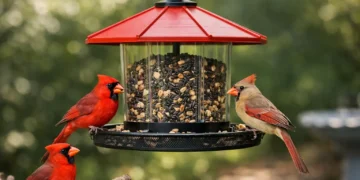
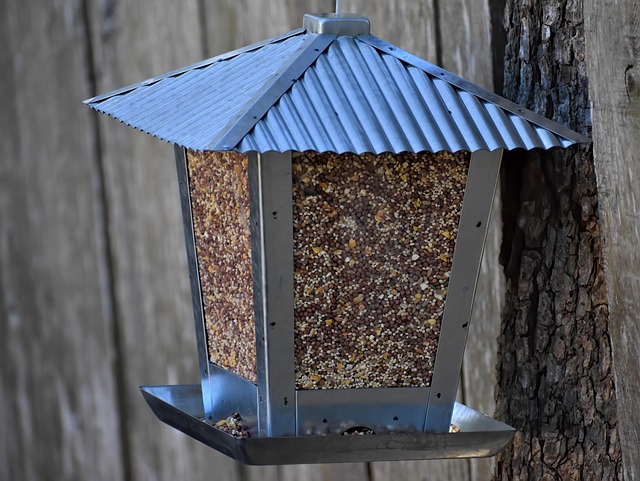
Bird hopper feeders are an attractive option, offering practicality, adaptability and a huge capacity to store lots of seed.
These feeders are made up of a central compartment, often constructed from wood, plastic or metal, which sends the seed down into the feeding troughs or trays, resembling miniature barns or houses.
Well-known as a gravity-fed system, hopper feeders send more seed to the bottom as the birds eat it up, so there’s less need to keep refilling, and keeps the food fresh for longer.
Coming in various shapes and sizes, hopper feeders can draw in a wide array of bird species, such as cardinals, finches, chickadees, sparrows and grosbeaks.
One of the greatest benefits of hopper feeders is their massive capacity, which makes them the go-to option for anyone who doesn’t want to refill their feeder every five minutes.
They are also weather resistant, a lot of them come equipped with roofs that shield the seed from the rain and snow and keep it dry and germ-free.
Their open-ended design lets you fill the feeder with any type of seed, such as sunflower seeds, cracked corn, or millet, and attracts a lot more birds. Since they’re so well-built, most hopper feeders can be left out all year round, and can even withstand the odd squirrel and rough weather.
However, there are a few downsides to hopper feeders, the large openings can let in bigger birds and even squirrels who gobble all the seed in a jiffy and make a mess.
If not cleaned regularly, the enclosed design of these feeders can trap moisture and debris, growing a perfect environment for mildew and bacteria, and can send your birds scurrying away. Plus, hopper feeders are generally heavier and chunkier than tube or tray feeders, so they’re not very portable.
4. Suet Feeders
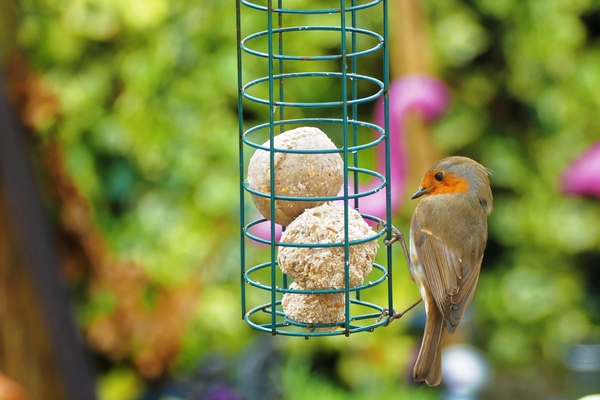
Suet feeders are an excellent option. A mixture of animal fat and seeds, nuts, berries, or insects, suet is a nutrient-rich food source that’s specifically geared towards insect-eating and winter-hardy birds like woodpeckers, nuthatches, chickadees and wrens, and has become a go-to in the colder months.
Suet feeders can be found in several designs, such as wire cages, mesh bags, or tail-props, and suit different sizes and feeding preferences of various birds.
The advantages of suet feeders, beyond just the nutritious food, include being compact, easy to hang, and virtually low-maintenance, just requiring minimal refilling, plus you’ll get to see some uncommon bird species which don’t regularly visit seed feeders.
Suet feeders aren’t without their problems, and in very warm weather or summer months, the suet can turn to liquid mess, unpleasantly so, and invites uninvited guests, like squirrels and starlings, to raid the food.
Regular cleaning is a must, since spoiled suet can kill birds.
5. Nectar Feeders
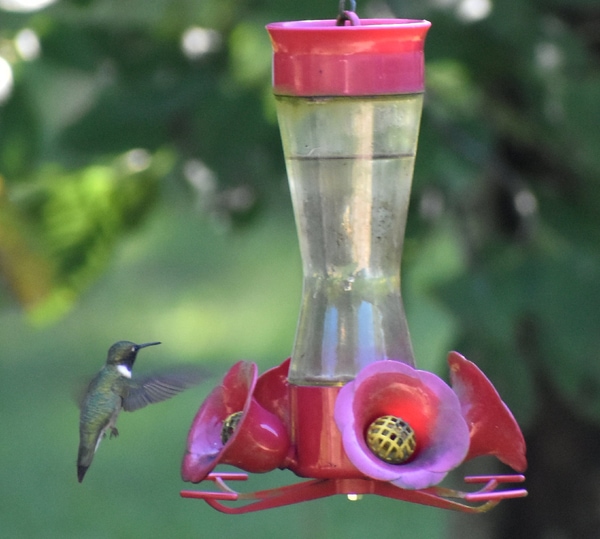
For adding a hummingbird feeder to your garden, or any bird feeder that supplies a sweet liquid nectar, you’re essentially inviting a new world of energy and color into your outdoor space.
Nectar feeders, often called hummingbird feeders, are designed to mimic the sugar-water solution found in flowers and are irresistible to hummingbirds, orioles and other nectar-loving species, usually made from glass or plastic and have bright red or orange accents that grab the attention of the birds, and teeny feeding ports that let them safely lap up the nectar.
Well-known to bird enthusiasts, nectar feeders offer a chance to observe the mesmerizing, fast-paced and colorful behavior of hummingbirds at a very close range, and are relatively simple to set up and fill requiring nothing more than a homemade mixture of sugar and water.
The benefits of nectar feeders don’t stop at just attracting these wonderful birds; they also support the garden ecosystem, they’re excellent for pollination as they draw in nectar-feeding birds to the nearby flowers and provide an eyeful entertainment, because they sit in front of the feeder, often just hovering, and inviting you to watch them up close and snap their pictures.
Disadvantages of nectar feeders include the need to regularly clean out any stale nectar, or prevent the growth of fungus or bacteria, particularly in warmer climates.
They also, unfortunately, attract bees, wasps and ants, which may scare away the birds, and could be a nuisance.
If the solution is too sweet or allowed to sit around too long, it can hurt the birds’ health, and feeders that don’t have built-in bee guards or perches, result in lots of waste or reduced visits from the birds.
6. Window Feeders
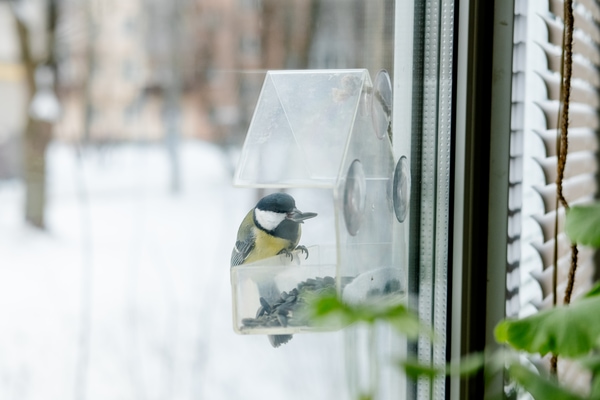
For birdwatching, bird window feeders are a great idea, they’re essentially clear boxes that stick to your windows using suction cups or mounts, and let you get up close and personal with the birds and they can be filled and refilled from the comfort of your own home.
Well-known for their transparent design, window feeders allow you to see the vibrant colours, behaviours and eating habits of the birds you’re watching.
They’re fantastic for people who live in apartments, have small yards, or are just plain don’t have the time or space for a regular outdoor feeder, and can hold all sorts of food, from seeds to mealworms to suet, which in turn attract birds such as finches, chickadees, titmice and sparrows.
The real perk of window feeders is the way they bring birds right up to the window. So close that they become an attraction, especially for kids, seniors and anyone who wants a closer look at their feathered friends.
They’re also easy to clean, take up no space, and by reducing bird collisions they’re also helping to prevent accidents.
The only drawbacks of window feeders are that they can run out of space, and sometimes the birds don’t take kindly to being so close to the window, it can be scary for them, until they get used to it.
Harsh weather can also cause the suction cups to lose their grip, sending the feeder crashing to the ground.
7. Ground Feeders
When it comes to feeding the birds in your yard, a ground feeder is an excellent and simple way to attract a wide variety of species. Coming hotfooting down to the ground to feed is how many birds naturally forage for their food, and ground feeders mimic this perfectly.
Ground feeders are especially popular with doves, sparrows, juncos, blackbirds, and towhees, and also welcome larger birds like cardinals and jays who may have trouble accessing hanging feeders.
They have a flat tray, or raised platform with mesh bottoms that allow any rainwater and debris to drain right through, and some even come equipped with covers and legs to shield the food from getting wet and pests.
They can store all sorts of food, from seeds, corn, fruits, and mealworms, dependent on the species you want to see in your yard.
Well-known benefits of ground feeders are that they appeal to lots of different types of birds, are really easy to fill, clean and keep an eye on, making them fantastic for newbies. Mesh and raised designs ensure that drainage is taken care of, and that the seeds don’t go stale. Plus, ground feeders can accommodate larger birds who find smaller perches a challenge.
However, ground feeders do have some drawbacks, because they sit so low to the ground, they’re accessible to squirrels, rats, and other critters that can clean out the feeder in no time. They need regular cleaning too to stop the growth of mould and bacteria, and the spread of disease, and in the wetter months, the food spoils more easily.
8. Caged Feeders
For bird feeders, caged feeders are basically the go-to option that combines functionality with security.
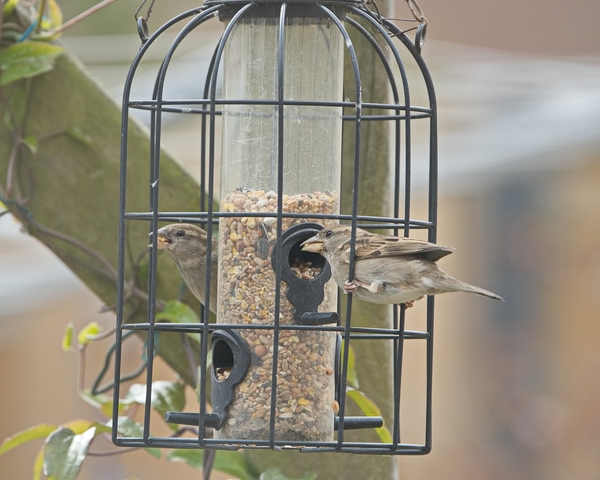
The cage around the seed or suet holder makes it easy for smaller birds to feed, while keeping out larger, more aggressive birds, and pests like squirrels.
They come in metal or heavy-duty plastic, with just the right-sized openings that let through finches, chickadees and nuthatches, but won’t let anything else in.
There are a few different types of caged feeders, including seed, peanut and suet versions, which make them super versatile.
Well-known advantages of caged feeders are their ability to effectively keep squirrels and bigger birds away, providing smaller birds with a fair share of food, and are built to last, basically indestructible and won’t be broken down by the elements. They also greatly cut down on waste and bring a lot of peace to the feeding area, preventing larger birds from chasing the smaller ones away.
However, caged feeders do have some drawbacks. The cage can sometimes scare off the larger, more desirable birds like cardinals or woodpeckers, and cleaning them out can be a bit more of a challenge as food can get stuck in the mesh. Some of these feeders are quite heavy and cumbersome as well, and need firm fixing to the wall.
9. Seed Cylinders
Abird seed cylinder feeder is an attractive and efficient way to offer a compact, nutritious snack. By pressing together sunflower seeds, nuts, fruits, and mealworms, seed cylinders create a solid block of ingredients that allow the birds to peck away at the surface. Which, in turn, reduces spillage and wastage and ensures the food stays fresh for a while.
These seed feeders which usually have a sturdy metal or plastic frame to house the block.
It will be found to be very inviting for a huge variety of bird species such as cardinals, finches, chickadees, woodpeckers, nuthatches and others.
Well-known pros of seed cylinder feeders are that they supply long-lasting nutrition, and because of the compact nature of the cylinder, really cut down on mess and stop unwanted critters from feeding on the seed.
They are also very simple to install and clean and don’t need much maintenance, just the occasional replacement of the seed cylinder. These feeders can cater to all sorts of different birds as the seasons change, and thanks to the sealed surface, won’t spoil or become rancid.
However, one of the main drawbacks of seed cylinder feeders is that they tend to be more expensive than traditional loose seed, and when the weather gets wet or damp, the surface of the cylinder may become soft or develop mould.
Larger birds or squirrels may also dislodge the cylinder, particularly if it’s not encased in a cage. The requirement for the birds to peck directly at the block may also mean that it takes a bit of time for them to get the hang of feeding in this style.
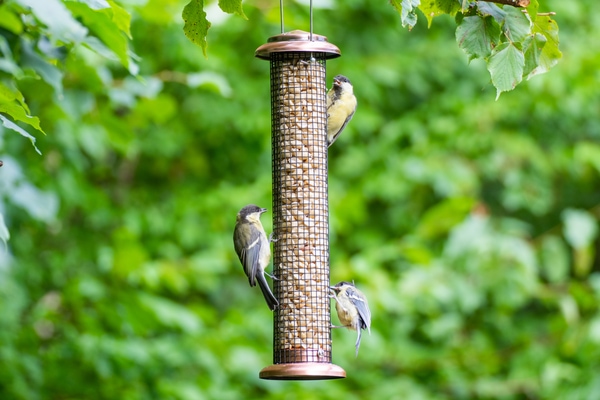
10. Bird Houses
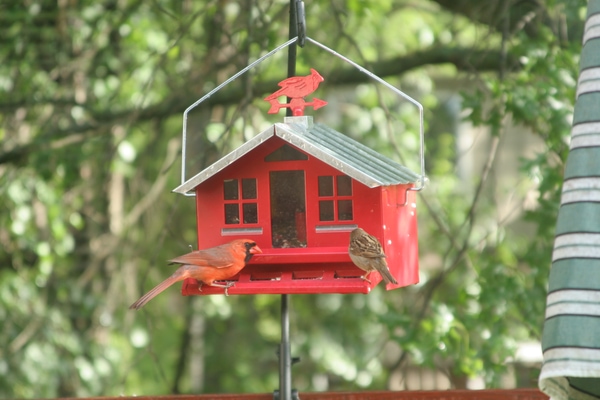
As using bird houses as feeders you’re combining the classic look of a traditional nesting box with a feeding station. These dual purpose homes can be designed to resemble charming little cottages or barns that serve as a focal point in any garden or backyard.
Well-known for their open bases, feeding trays, and side openings, bird house feeders allow you to load up with seeds or mealworms.
They might be purely decorative, or completely functional, letting the birds perch, feed, and snuggle in while staying protected from wind, rain, and snow.
The enclosed design of these feeders is their biggest strength, shielding the food from the elements, and making them a year-round favourite among those who love their feathered friends.
One of the biggest attractions of bird house feeders is their rustic charm, and they provide not only aesthetic appeal, but also protection, shelter, comfort for the birds that come to feed, cutting down the need to replenish supplies, and in many cases, their toughness and resistance to the elements make them practically indestructible. They are especially popular with cardinals, sparrows and finches who go mad for covered feeding areas.
However, a couple of issues can arise, as a result of their closed-in design, bird house feeders can become damp, and if not regularly cleaned, your feed can turn out to be stale, and will attract unwanted critters.
They can also be a challenge to clean, and if they don’t have removable parts, they can be difficult to fill. The combination of feeding and nesting in one house has the potential to send the birds who are feeding and those who are nesting into each other’s territories, clashing with one another.
Tips for Choosing the Right Bird Feeder
1. Consider the Local Bird Species
The right type of feeder is crucial to ensuring that the birds in your area are satisfied with the dining experience, when choosing a bird feeder for your yard.
Since different bird species in different regions have varying feeding preferences, food types and feeding styles can be sorted out by watching which types of birds inhabit your neighbourhood, and can be looked up if you don’t know.
This thoughtful strategy, which takes local needs into account, is essentially, a surefire way to bring in the birds and gives them the nutrition they crave in a safe space that is both secure and inviting.
Particular types of feeders excel in supporting specific bird species: tube feeders with nyjer seeds and sunflower chips suit birds like finches, chickadees, and titmice well, as they like perching on these, but larger birds such as cardinals and grosbeaks are comfier on hopper or platform feeders that are spacious and secure, while woodpeckers and nuthatches go crazy for suet or peanut feeders because they can hook onto them vertically and smash into high-energy foods.
Coming from the opposite direction, hummingbirds and orioles adore nectar feeders, seduced by the brightness and sweetness of the liquid they contain.
Considering the seasons is also something to bear in mind, as migratory species only stick around for a bit of the year and will need specific feeders or grub when they’re in town, and in freezing weather suet and high-calorie seed mixes are basically a guarantee to send winter birds through the roof.
Taking the local wildlife and weather into account, cage feeders or weight-sensitive feeders are a good idea in areas with a lot of squirrels, and in places where the rain pours down, covered feeders with good drainage are necessary to stop the seeds from getting waterlogged.
View Common Backyard Birds of the United States >
2. Select the Right Type of Seed
The type of seed you choose is just as crucial as the feeder itself, and what’s good for one type of bird may not be for another.
Well-known black oil sunflower seeds are basically a go-to option and bring in cardinals, chickadees, finches and sparrows.
They’re versatile enough to be used in hopper, tube or platform feeders. Nyjer seed, or thistle seed, is the preferred snack of finches and siskins and needs to be in a mesh or tube feeder that has very small openings, so it doesn’t go to waste.
Safflower seeds are the ideal choice to scare off squirrels and blackbirds, but will still attract cardinals and titmice, so are best suited to hopper feeders.
If you want to attract ground-feeding birds such as doves and juncos, cracked corn or millet in a ground or tray feeder is the way to go, while for clinging birds like woodpeckers and nuthatches, peanuts or suet nuggets in suet feeders are the ticket to high energy meals.
It’s also really important to make sure that the seed doesn’t get stale or mildewy, and regular cleaning and filling is the secret to a hygienic and welcoming space for visiting birds.
3. Placement is Key
Getting placement right is key to attracting birds, yet keeping them safe and happy, and visibility, accessibility and cover are all things to think about, when placing your bird feeder.
Predators shouldn’t be able to get to the feeder, so place it near a tree or bush that will block their view and give them nowhere to hide, but isn’t so close that cats, squirrels or any other unwanted visitors can easily leap up to the feeder. A rough ten to twelve feet away from any natural shelter is often a good spot.
You’ll also want to put the feeder in a quiet area where the birds can feed in peace and away from any noise pollution.
If you want to enjoy watching the birds, face the feeder towards a window or patio, but place it ten feet away from the glass to stop them crashing into the window. And take into account the sun and wind too, a bit of partial shade will keep the food fresh and prevent overheating.
4. Regular Maintenance
Regular maintenance is essential, and a well-maintained feeder is not only more attractive to birds, but also ensures their health and well-being. The constant buildup of leftover seeds, droppings, and moisture, can lead to the proliferation of diseases such as mould, bacteria, and parasites that can send our feathered friends rushing away.
Ideally, the cleaning of a feeder should be done at least every one to two weeks, and a good deal more often in wet or heavy usage situations.
Utilizing warm water and a mild soap or vinegar-based solution, you can very effectively scrub away any residue, and then be sure the feeder is completely dry before filling it up again.
Expired or waterlogged seed should be eliminated and the ground beneath the feeder thoroughly cleaned up so as to prevent a myriad of pests.
When checking on the condition of your feeder, also look for damage.
Cracked components, rusty parts, and broken perches can either harm the birds or allow for the seepage of moisture into the feeder.
Swapping out multiple feeders or repositioning them periodically can also cut down mess and bacterial contamination.
Regularly tending to your feeder will produce a spotless, appealing and safer environment for the birds, and invite them to come back to your yard time and time again.
5. Provide Water Sources
In terms of attracting and supporting a healthy bird population, fresh water is almost as important as food, and birds need it for both drinking and bathing. A water source such as a birdbath, shallow dish, or small fountain at your feeding station is sure to be welcomed by them.
When placing the water source near your feeder, avoid putting it directly beneath the feeder to prevent contamination from dropped seeds and faeces.
Keep the water pristine, and refresh it every day, especially in scorching hot or freezing weather, because natural sources may dry up or freeze. The water’s kinetic energy is best to get the birds’ attention, which is exactly what happens with a tiny fountain or dripper.
When providing both food and water, you build a comprehensive and inviting environment that has everything birds need to return to year-round, and you’ll soon be watching a diverse range of species, sipping from the fountain, bathing in the water and dining at the feeder.
Common Questions About Bird Feeders
Q1: How do I keep squirrels away from my bird feeders?
Invest in squirrel-proof feeders or use baffles to deter them. You can also place feed high off the ground to reduce their access.
Q2: What is the best time of year to put out bird feeders?
You can put out feeders year-round, but they are especially critical in the winter months when natural food sources are scarce.
Q3: How often should I refill my bird feeders?
Refill your feeders when they look empty or if the seeds appear to be getting low. It’s essential, especially during peak feeding times like early morning and late afternoon.
Q4: Can I use homemade bird feeder recipes?
Yes! There are many DIY options, like peanut butter and birdseed mixtures, but ensure they are made safe for avian consumption.
Summary
When discussing building a bird-friendly habitat in your backyard you’re basically at a crossroads. Will you choose the right type of feeder or miss out on the experience.
Well-known to be tube feeders and suet feeders the two main types of feeders, each catering to a specific aspect of the needs of birds, and by understanding this, you’ll be able to provide a complete and inviting environment for our feathered friends.
Creating a bird sanctuary in your backyard that is stocked with regular food can be a very rewarding experience.
With regular interaction and spectacular displays from birds in tow, will become your go-to enjoyment.
Coming from our list of top 10 Garden Bird Feeders, find your pick and get started on turning your yard into a haven.