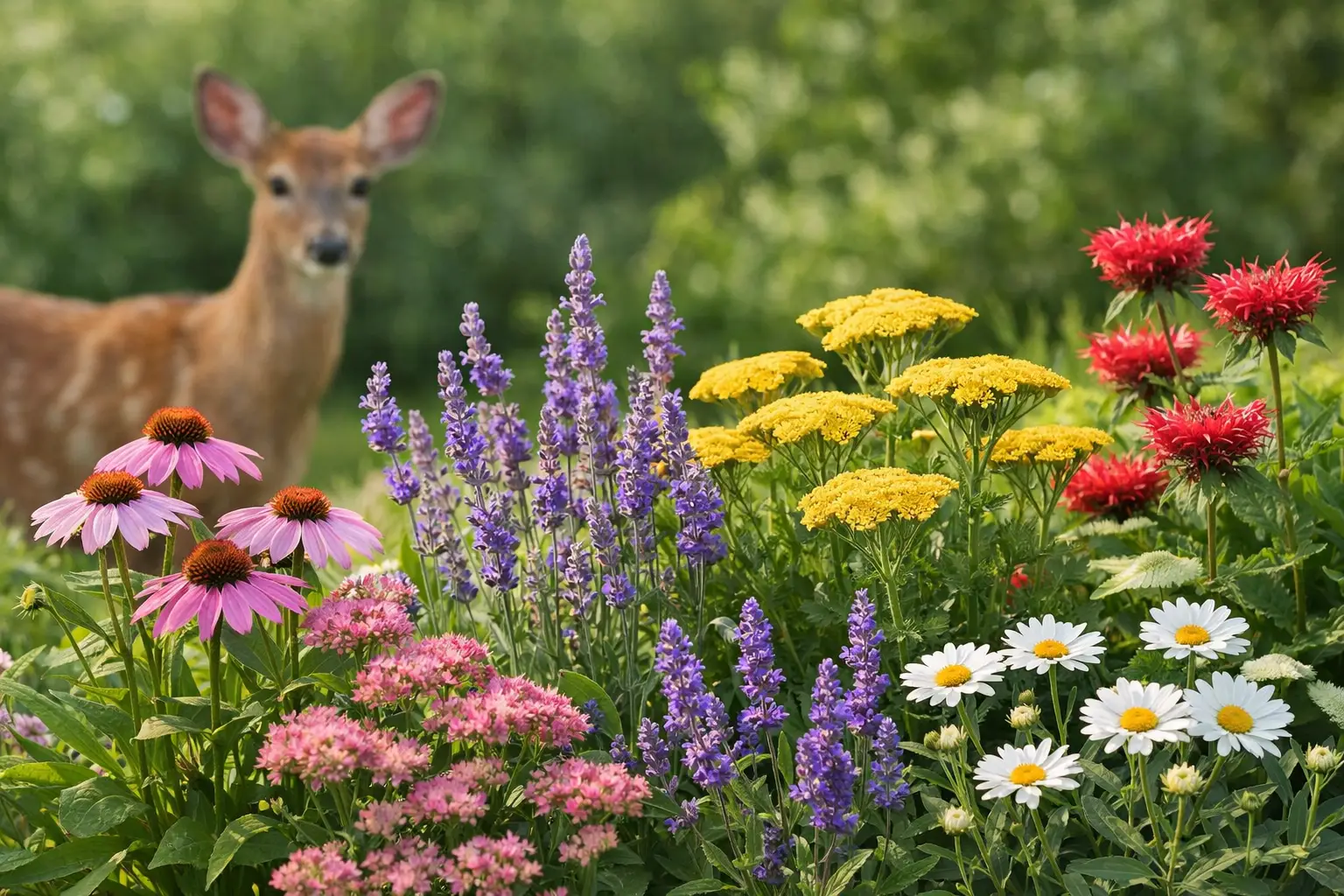
A row of freshly planted flowers can feel like an open salad bar to a hungry deer.
If browsing has turned your favorite blooms into ragged stems, choosing the best deer resistant flowering plants can help you build a garden that stays colorful without constant disappointment.
The goal is not a yard that deer will never enter. When food is scarce, deer may sample almost anything.
The smarter approach is to fill key beds with plants they usually dislike because of strong fragrance, fuzzy leaves, bitter sap, or tough texture.
You will spend less time replacing chewed plants and more time enjoying a gorgeous, green retreat.
Deer-resistant does not mean deer-proof
Deer taste varies by region, season, and pressure. A plant ignored in a leafy suburban neighborhood may be eaten during a dry summer or harsh winter.
Young, tender growth and flower buds are especially tempting, even on plants deer generally avoid.
Use deer-resistant plants as the backbone of your landscape, then protect new additions until they are established.
A physical barrier is still the most reliable answer where deer visit nightly.
Repellents can help, but they need frequent reapplication, especially after rain.
Think of plant choice as one useful layer in a practical deer-management plan.
12 best deer resistant flowering plants
These plants offer attractive blooms, useful growing ranges, and a reputation for being less appealing to deer. Always match the plant to your sunlight, soil, and USDA hardiness zone for the best results.
1. Daffodils
Daffodils are one of the most dependable spring choices for deer-prone yards. Their bulbs and leaves contain compounds that deer usually avoid, while their cheerful yellow, white, orange, or cream blooms brighten beds before many perennials wake up.
Plant bulbs in fall in full sun to partial shade and well-drained soil. Daffodils also work beautifully beneath deciduous trees, where they receive plenty of spring sun before the canopy fills in. Let the foliage yellow naturally after flowering so the bulbs can recharge.
2. Ornamental alliums
Ornamental alliums bring whimsical globe-shaped flowers to late-spring and early-summer beds. As relatives of onions and garlic, they have a scent and flavor deer tend to leave alone. Their tall stems also create a wonderful vertical accent among lower mounding perennials.
Choose shorter varieties for borders or taller selections for a dramatic statement near shrubs and roses. Alliums need full sun and soil that does not stay soggy. Their fading foliage can look untidy, so tuck them behind later-emerging plants such as catmint or salvia.
3. Hellebores
Hellebores, often called Lenten roses, flower when the garden is still sleepy. Their nodding blooms appear from late winter into early spring in shades of white, green, blush, burgundy, and nearly black. Deer usually avoid their leathery leaves and unpalatable sap.
They are especially valuable for part-shade and shade gardens, where deer-resistant flowering options can feel limited. Give hellebores rich, well-drained soil and shelter from hot afternoon sun in warmer areas. They are slow but rewarding plants that form handsome clumps over time.
4. Lavender
Lavender earns its place with fragrant foliage, pollinator-friendly flowers, and a silvery look that makes other colors pop. Deer commonly avoid the strong aroma, although no plant is completely safe when browsing pressure is intense.
Full sun and fast drainage are the essentials. Lavender struggles in damp, heavy soil, so consider a raised bed or a sunny slope if your garden holds moisture. Once established, it needs relatively little water, making it a smart choice for dry, sunny spaces.
5. Catmint
Catmint offers soft gray-green foliage and long-lasting clouds of blue-violet flowers from late spring into summer. Its minty scent helps discourage deer, while bees and other beneficial insects happily visit the blooms.
Most varieties are easygoing in full sun and average, well-drained soil. After the first major flush of flowers fades, shear the plant back by about one-third. It often responds with fresh foliage and another round of blooms. Use it along paths, at bed edges, or around taller roses and shrubs.
6. Salvia
Perennial salvia produces upright spikes of blue, purple, pink, red, or white flowers that give beds a polished, cottage-garden feel. Aromatic leaves make it one of the more reliable deer-resistant flowering plants for sunny borders.
Salvia needs good drainage and at least six hours of sun. Deadhead spent flower spikes to encourage more blooms. There are many kinds, so check the plant tag carefully: some are hardy perennials, while others are grown as annuals in colder parts of the country.
7. Russian sage
Russian sage is built for hot, sunny, dry spots where fussier flowers can struggle. Its aromatic silvery foliage and airy lavender-blue flower plumes create a soft haze of color from midsummer into fall, and deer tend to pass it by.
Give this plant room to spread and avoid overly rich soil, which can encourage floppy growth. It pairs particularly well with ornamental grasses, yarrow, coneflower, and black-eyed Susan. In smaller gardens, look for compact cultivars rather than planting the largest forms.
8. Yarrow
Yarrow has fernlike, fragrant foliage and flat clusters of tiny flowers that are easy for pollinators to land on. Bloom colors range from sunny yellow to coral, pink, red, and white. Its texture and scent make it a dependable choice in many deer-troubled gardens.
Plant yarrow in full sun and well-drained soil. It is drought tolerant once established, but it can spread enthusiastically in ideal conditions. Divide crowded clumps every few years or remove unwanted seedlings to keep it where you want it.
9. Bee balm
Bee balm brings bright red, pink, purple, or white flowers that attract hummingbirds, butterflies, and bees. Its fragrant leaves are part of the mint family, which often makes deer less interested.
The trade-off is that bee balm can develop powdery mildew when air circulation is poor. Choose mildew-resistant varieties, space plants well, and water the soil rather than soaking the foliage. It grows best in sun to light shade with consistently moist, reasonably well-drained soil.
10. Coreopsis
Coreopsis, also called tickseed, is a sunny, long-blooming perennial with daisy-like flowers in yellow, gold, red, and bicolor combinations. Deer resistance is moderate rather than absolute, but its fine foliage and long flowering season make it worth trying in a mixed planting.
Most types prefer full sun and average soil. Deadheading can extend the show, though some newer varieties bloom well without much cleanup. In areas with heavy deer pressure, place coreopsis behind more strongly scented plants instead of using it as the front-line defense.
11. Peonies
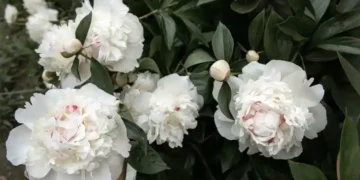
Peonies offer lush spring flowers and a classic, generous look that suits cottage gardens, foundation beds, and cutting gardens. Their tough foliage is usually less appealing to deer than many tender ornamentals, though deer may occasionally nibble new shoots or buds.
Plant peony roots in fall or early spring in full sun, taking care not to bury the eyes too deeply. They dislike being moved, but a well-sited plant can bloom for decades. A simple support ring keeps heavy double flowers upright after rain.
12. Bearded iris
Bearded iris provides bold, sculptural blooms in nearly every color imaginable, from deep purple to sunny yellow and dramatic two-tone combinations. Deer generally avoid the swordlike foliage and rhizomes, making iris a useful choice for sunny, dryish borders.
Set the rhizomes shallowly so their upper surfaces receive some sun, and keep the soil well drained. Divide crowded clumps every three to five years after flowering. Iris makes a striking companion for alliums, salvia, and catmint because their bloom times and forms contrast so well.
Design a garden deer are less likely to browse
A single deer-resistant plant is helpful, but a layered planting is more effective. Put strongly scented choices such as lavender, catmint, salvia, and yarrow along bed edges and near favorite plants that deer love.
Grouping them creates a more noticeable sensory barrier than scattering one plant here and there.
Avoid making things easy for deer. Clean up fallen fruit, keep birdseed from collecting beneath feeders, and use fencing around vegetable gardens and newly planted shrubs.
If you use repellents, rotate products with different active ingredients so deer do not become accustomed to one smell or taste.
Watch your garden closely during spring, when tender growth is most vulnerable.
A few weeks of temporary netting or wire cages can make the difference between an established perennial and one that gets eaten before it has a chance to grow.
A deer-resistant garden can still be full of color, fragrance, and life. Start with a few reliable bloomers, repeat them through the beds, and let each successful season guide your next planting choice.
See also: Effective Strategies to Keep Cats Out of Your Garden >