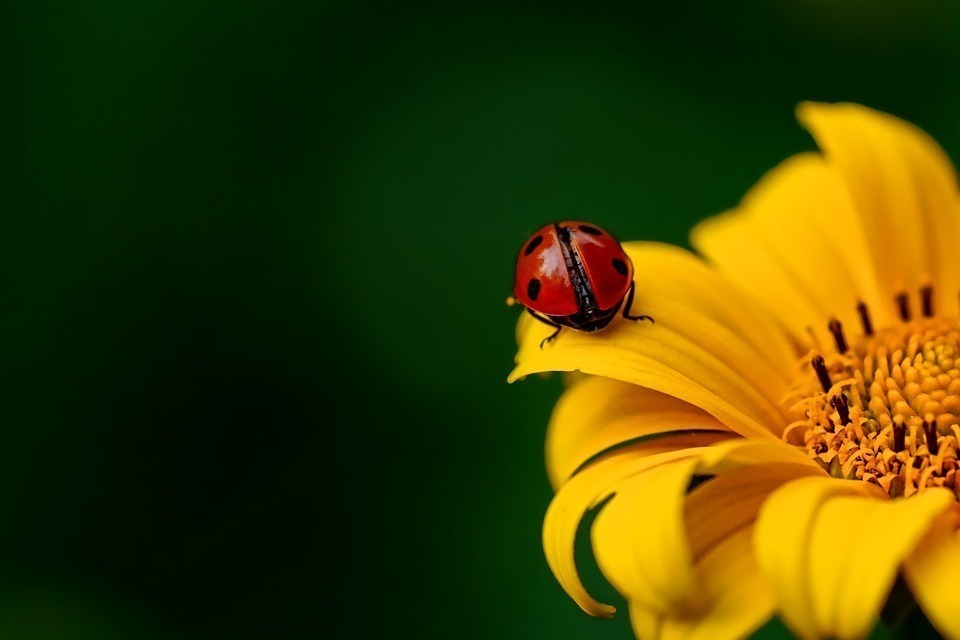
Ladybirds, often known as ladybugs in North America, have captured the hearts of many with their enchanting appearance and vital role in natural ecosystems.
The modest ladybird is one of the garden visitors that brings about the most immediate joy.
A tiny red beetle with black dots on it lands softly on your hand while you’re tending to roses or gathering herbs. This beetle is a living gem, a lucky charm, and one of nature’s best pest controllers.
However, despite their happy appearance, ladybirds are much more fascinating. Every gardener should be aware of the remarkable life story behind those polka-dotted wings, which is full of ecological significance, survival strategies, and metamorphosis.
Greetings from the charming world of ladybirds, the little myths of your garden.
The Reasons Gardeners Adore Ladybirds
For good reason, ladybirds—also known as ladybugs in some regions of the world—have a special place in gardening folklore. Ladybirds are allies, in contrast to many insects that eat leaves or spread illness. They are organic predators that support the ecosystem’s equilibrium in your garden.
Throughout its life, a single ladybird can consume thousands of aphids. Thousands, indeed.
Among the most annoying pests for gardeners are aphids, greenflies, blackflies, scale insects, and other insects that feed on sap. They spread viruses, weaken plants, and skew new growth.
Ladybirds act as tiny protectors, discreetly resolving issues without the use of chemicals, sprays, or other intervention.
Ladybirds are the ideal example of how humans and nature can coexist in a time when many gardeners want to use fewer pesticides and cultivate more sustainably.
Introducing the Ladybird Family
The reality is much more complex, even though many people only think of the traditional red ladybird with seven black spots.
More than 40 species of ladybirds, each with distinctive colors and patterns, can be found in the UK alone. Some have red spots, while others are yellow, orange, brown, pink, or even black.
You might run into:
- Species with bright red spots that are frequently found on roses
- Orange types with lots of tiny dots
- Bold red patches on black ladybirds
- Species that blend in with the grasses, either cream or yellow
Not all ladybirds are equally beneficial to gardeners, and not all of them have the appearance of illustrations from children’s books. The majority of native species, however, are helpful predators.
Spending time outside is made more enjoyable by learning to identify various ladybirds. All of a sudden, each leaf inspection turns into a miniature safari.
The Amazing Life Cycle of Ladybirds
The fact that ladybirds undergo such drastic changes over the course of their lives is among their most fascinating features. Because young ladybirds don’t resemble adults, many gardeners confuse them for pests.
You can protect them at every stage if you are aware of their life cycle.
1. Eggs: The Secret Origin
On the underside of leaves, ladybirds typically deposit clusters of tiny yellow or orange eggs close to aphid colonies. Hatchlings will have an instant food source thanks to this thoughtful placement.
Keep in mind that future pest control is coming if you see small oval eggs clustered together.
2. Larvae: The Hidden Warriors of the Garden
People are frequently surprised by ladybird larvae. They look more like tiny, spiky alligators or miniature dragons than adorable beetles.
These larvae have a voracious appetite. Indeed, compared to adult ladybirds, they consume even more aphids. They roam plants for weeks in search of prey during this stage.
Many gardeners mistakenly remove larvae because they believe they are dangerous insects. One of the simplest ways to improve natural pest control is to recognize them.
3. Pupation: A Motionless Scene
The larva attaches itself to a surface and develops into a pupa after feeding extensively. The insect completely rearranges its body during this silent metamorphosis.
Wings grow, colors form, and the recognizable beetle shape appears inside that still shell.
4. The Icon of the Adult Ladybird Emerges
When the adult first appears, it frequently appears yellow or pale. As the outer shell hardens over several hours, the spots and vibrant colors become more intense.
Depending on the temperature and availability of food, the entire process from egg to adult may take four to eight weeks.
Experts in Nature’s Pest Management
In the garden, ladybirds are one of the most effective biological control agents.
On their menu are:
- Aphids
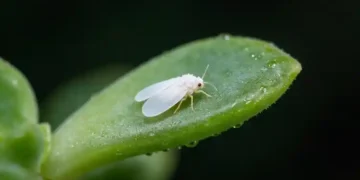
- Whiteflies
- Insects with scales
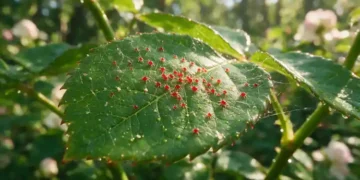
- Mites
- Mealy insects
- Insect eggs and tiny caterpillars
Ladybirds control pest populations before they become harmful because they actively hunt rather than passively feed.
In contrast to chemical sprays, ladybirds:
- Particularly target pests
- Avoid hurting pollinators.
- Don’t leave any residue.
- Keep working every day.
Consider them a self-renewing, living defense system for your garden.
Color’s Hidden Language
The striking designs of ladybirds serve as a warning in addition to being ornamental.
Predators are alerted that ladybirds taste bad by their vivid red, orange, or yellow colors. They can release a yellowish fluid with unpleasant-tasting chemicals from their leg joints when they feel threatened. Birds quickly learn to stay away from them.
Ladybirds are able to forage freely during the day thanks to this defense mechanism, which is called warning coloration.
It’s interesting to note that genetics, habitat, and temperature may all have an impact on color variations. Darker plants tend to warm up more quickly in colder climates, which is a helpful adaptation for gardens in the north.
Ladybirds throughout the seasons
Gardeners can support ladybirds year-round by being aware of their seasonal behavior.
Spring: Hunters Are Awakened
Ladybirds come out of their winter hiding places hungry and prepared to breed as the temperature rises. Aphid populations start to increase at this time, so spring is a crucial season for maintaining natural equilibrium.
Ladybirds benefit most from early flowering plants and untreated gardens.
Summer: Increase in Population
Ladybird season peaks in the summer. Larvae actively feed after hatching eggs, and several generations may emerge.
Large gatherings on your favorite plants may be an indication that the ecosystem in your garden is flourishing.
Fall: Getting Ready to Sleep
Ladybirds look for safe places to spend the winter when the temperature drops. They frequently congregate in groups in leaf litter, sheds, under bark, or even inside houses.
It’s quite common to see ladybirds indoors in the fall; they’re just looking for warmth.
Winter: Undiscovered Survivors
Ladybirds go into dormancy during the winter. They are not very active and save energy until spring arrives.
Strong ladybird populations the following year are ensured by gardens that provide secure winter shelters.
How to Attract Ladybirds to Your Garden
Don’t worry if ladybirds aren’t already frequent visitors—you can invite them in organically.
Cultivate Appropriate Plants
Both food and habitat are necessary for ladybirds. When there is a lack of prey, adults are sustained by nectar and pollen.
Great plants that attract ladybirds include:
- Dill
- Fennel
- Calendula, coriander, and yarrow
- Cosmos of Marigolds
- Delicious alyssum
- Particularly appealing are cottage-style planting plans and herb gardens.
Welcome a few aphids
Ladybirds are rarely drawn to gardens that are completely pest-free, which may seem counterintuitive.
A tiny number of aphids serves as a signal for food. Let small infestations occur on non-essential plants; ladybirds will frequently naturally bring the plants back into balance.
Provide a place to stay
Ladybirds adore:
- Thick bushes
- Untamed corners
- Piles of logs
- Litter from leaves
- Bases for hedges
Don’t overclean every area of the garden. Wildlife habitat is equal to a small amount of “mess.”
Steer clear of pesticides.
Even organic sprays have the potential to damage ladybirds or eliminate their food source.
Observe first rather than reaching for remedies right away. If given enough time, nature frequently finds solutions to issues.
Top 10 FAQs About Attracting Ladybugs to Your Garden
Ladybugs, or ladybirds as they are called in the UK, are one of the best things that can happen to a gardener. They are beautiful, interesting, and very useful for controlling pests in a natural way.
Here are the most common questions that gardeners have about how to get and keep these spotted friends around.
1. Why do I want ladybugs in my garden?
Ladybugs are good at getting rid of pests on their own. Aphids, whiteflies, scale insects, and mites are all common plant pests that both adults and larvae eat.
A ladybug can eat dozens of aphids every day, which cuts down on the need for chemical treatments and helps keep the garden ecosystem healthy.
2. What kinds of plants do ladybugs like the most?
Ladybugs like gardens that have food, shelter, and nectar.
Some of the best plants are:
- Dill
- Fennel
- Coriander
- Yarrow
- Calendula
- Marigolds and cosmos
- Alyssum sweet
- Dandelions (yes, even weeds help!)
- Herbs that are allowed to bloom
Flat-topped flowers are especially pretty because they make it easy for insects to land on them.
3. Do ladybugs only come when I have aphids?
Yes, for the most part. Ladybugs go to gardens where they can find food. Aphids are a natural way to get people to come.
Ladybugs don’t usually live in gardens that are completely free of pests. Letting a small number of aphids stay around, especially early in the season, makes ladybugs want to stay and have babies.
Don’t aim for perfection; aim for balance.
4. Should I buy ladybugs and let them go?
Most of the time, it’s not a good idea to buy ladybugs for your home garden.
Why?
A lot of ladybugs that are let go fly away right away.
Insects that are collected for business may be stressed or dehydrated.
Supporting native populations naturally is better for local ecosystems.
Long-term, making places for animals to live and food for them to eat works much better.
5. How can I give ladybugs a place to stay?
Ladybugs need safe places to sleep and spend the winter.
Give shelter by:
- Leaving some leaves on the ground in the fall
- Taking care of hedges and thick shrubs
- Putting in bark mulch or log piles
- Keeping a part of the garden a little wild
- Putting up ladybug houses or insect hotels
Don’t make your garden too neat; animals like to live in natural areas.
6. Do pesticides hurt ladybugs?
Yes. A lot of “organic” sprays can hurt ladybugs or kill their food.
To keep them safe:
- Stay away from pesticides that kill a wide range of pests.
- Only treat spots that are very bad infestations
- First, use physical controls like water sprays.
- Instead, encourage natural predators.
A garden with a lot of helpful bugs becomes more self-regulating over time.
7. Why do ladybugs get into my house?
Ladybugs look for warm, protected places to spend the winter in the fall. Houses often look like safe places to hide, like rock crevices or tree bark.
If they come inside:
- Using a glass and a card, carefully pick them up.
- Put them in a garage, shed, or other protected outdoor space.
- Don’t squash them; they let out a nasty defensive fluid.
They aren’t trying to take over; they just want to get through the winter.
8. What do the larvae of ladybugs look like?
The larvae of ladybugs do not look like adults. They are long, dark, and often spiky, like little alligators or little dragons.
A lot of gardeners think they’re pests, but they’re actually the best aphid hunters in the life cycle of a ladybug.
Learning how to tell larvae apart makes natural pest control much better.
9. How long does it take to make a lot of ladybugs?
Most of the time, one to three growing seasons.
As their habitat gets better, ladybugs respond slowly. Once a population is established, it tends to come back every year, especially if the places where they spend the winter stay the same.
Being patient and sticking with it are important.
10. What is the best thing I can do to get ladybugs to come?
Make a garden that is good for animals.
In other words:
Planting in different ways
Flowers that bloom all year long
Using pesticides as little as possible
Places in nature where you can find shelter
Acceptance of small groups of pests
Ladybugs do best in living ecosystems, not spaces that are perfectly controlled.
Bonus Tip: Use Nature’s Way of Thinking
To get ladybugs to come to your garden, you don’t need to chase them. You just need to make it a place they want to live.
Ladybugs come naturally when you support biodiversity, and they often stay for years.
Ladybirds and Companion Planting
Ladybirds are used as part of an ecological strategy by astute gardeners.
Aphid-prone plants, such as roses, beans, broad beans, and nasturtiums, can benefit from nearby flowers and herbs that attract ladybirds.
This establishes a system in which:
- Aphids show up
- Ladybirds come next.
- Stabilization of balance
While companion planting keeps pests below harmful levels, it does not completely eradicate them.
Gardens eventually transform from battlefields to self-regulating ecosystems.
The Unexpected Universe of Ladybird Behavior
Despite their small size, ladybirds are much more sophisticated.
When looking for food or places to overwinter, they can fly surprisingly far. Some species migrate seasonally, congregating in large numbers on hilltops or along coastlines.
They also use chemical communication. After feeding, females leave scent trails that let other birds know where they can breed.
Indeed, when food is limited, ladybirds will occasionally consume one another’s eggs. Even the aids of nature must endure.
Typical Myths Regarding Ladybirds
Myth 1: More Spots Mean More Age
According to a common childhood myth, ladybirds are given a spot every year. In actuality, species alone determines the number of spots.
Myth 2: Every Ladybird Is the Same
Different species exhibit distinct behaviors. Some specialize in particular prey, while others favor trees or meadow plants.
Myth 3: Only Aphids Are Eaten by Ladybirds
Aphids are preferred, but ladybirds eat a lot of tiny garden pests.
Myth 4: Indoor Ladybirds Are a Problem
The majority of autumnal indoor visitors just need to be safely moved outside or into a garage or shed that isn’t heated.
When Ladybirds Require Our Assistance
Ladybirds face difficulties in today’s landscapes:
- Hedgerow loss
- Overuse of pesticides
- Well-kept gardens
- The impact of climate change on overwinter survival
Reversing these trends is a significant task for gardeners.
With careful management, even a tiny garden can turn into a haven.
Together, small things like planting a variety of flowers, cutting back on chemicals, and leaving natural shelter have a significant impact.
Designing a Garden That Is Friendly to Ladybirds
Think about integrating wildlife considerations into your overall design.
Planting in Layers
Mix shrubs, small trees, perennials, and ground cover. Insects can find microhabitats at varying heights.
Constant Bloom
Early spring through late autumn is when you want flowers. This guarantees the availability of food for the ladybird’s entire life cycle.
Access to Water
Insects can safely drink from a shallow dish with pebbles.
Areas for Wildlife
Choose a calm spot with little to no pruning or clearing. These areas develop into hotspots for biodiversity.
Teaching Children Through Ladybirds
Ladybirds make excellent nature education ambassadors.
Their vivid appearance piques interest, and their metamorphosis illustrates practical biology lessons.
Motivate kids to:
- Examine the stages of the larva.
- Species count
- Maintain a wildlife journal in your garden.
- Take pictures of seasonal variations
Young gardeners learn more about ecological balance from watching ladybirds than from any textbook.
Cultural and Folkloric Ladybirds
Ladybirds have long been associated with good fortune, protection, and bountiful harvests throughout Europe and beyond.
In the past, farmers embraced them as indicators of robust crops. A charming reminder of humanity’s long-standing relationship with nature, some customs advise making a wish when a ladybird lands on you.
Maybe the reason for this cultural love is that ladybirds actually assist us. Few animals gain such total adoration by doing good deeds.
Troubleshooting: Why Do Ladybirds Not Stay?
If ladybirds appear momentarily but then vanish, take into account the following:
- No reliable source of food
- Insufficient shelter
- Excessive use of pesticides in the area
- Winter gardens that are too neat
It is crucial to have patience. It takes time, frequently several seasons, to build insect populations.
Consider long-term ecology instead of short-term solutions.
The Future of Gardening with Ladybirds
The art of gardening is changing. More people are working with nature instead of trying to control it.
Ladybirds are the ideal example of this philosophy.
Gardeners can create balanced ecosystems where predators and prey naturally coexist rather than constantly combating pests. Richer biodiversity, healthier plants, and a more pleasurable gardening experience are the outcomes.
Ladybirds serve as a reminder that even little things have an impact. Although one insect might not seem like much, taken as a whole, they safeguard crops, sustain wildlife populations, and lessen the need for chemicals globally.
Summary: Small Allies, Huge Effect
Take a moment the next time you see a ladybird scuttling across a leaf.
You’re seeing a master hunter, a winter storm survivor, a parent protecting the next generation, and an essential collaborator in the health of your garden.
The only things these polka-dotted allies ask of us are safe areas, a variety of plants, and an absence of dangerous chemicals. In exchange, they provide harmony, beauty, and a lasting link to the subliminal wisdom of nature.
At Good Garden Ideas, we think that the best gardens are spaces where life in all its forms thrives, not just where plants grow.
The greatest garden legends can occasionally arrive on fingernail-sized wings.
So welcome the ladybirds, garden with kindness, and plant abundantly.
Your garden will appreciate it.