Here are the top 10 gardening jobs for January, explained clearly and practically. There are also lots of tips to help you make the most of this quieter time of year, whether you’re an experienced gardener or just starting out.
People often say bad things about January in the garden. The days are short, the weather is cold, and it seems like growth has stopped. You might think that there’s “nothing to do” outside, but that’s not true at all.
January is actually one of the most important months for gardening. Even though the garden looks dead, a lot is going on under the ground. There is a lot you can do now to make your garden healthier, more productive, and more beautiful later in the year.
We love gardening in January at Good Garden Ideas because it’s peaceful, thoughtful, and very satisfying. This month is for getting ready, not panicking; watching, not feeling overwhelmed; and making steady progress, not rushing to get things done.
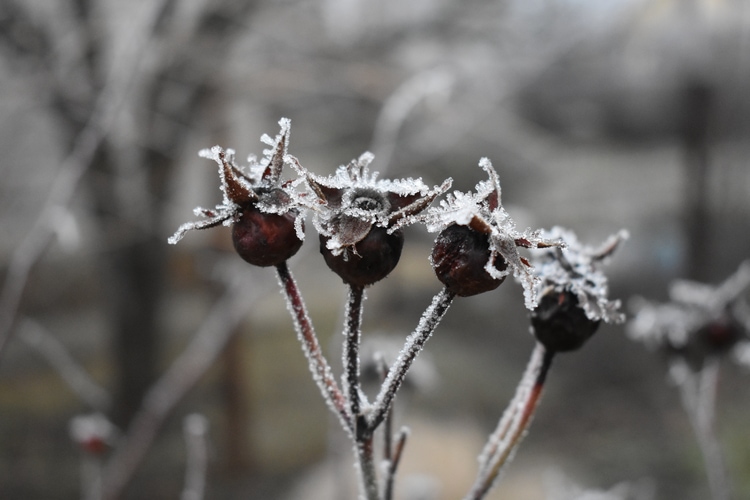
1. Keep plants safe from frost, snow, and cold winds
The weather in January can be unpredictable, and sudden cold snaps are one of the biggest threats to garden plants right now. Even tough plants can get hurt if the temperature drops quickly, especially if the winds are icy at the same time.
What needs to be protected?
- Soft perennials
- Shrubs and trees that have just been planted
- Potted and container plants
- Plants from the Mediterranean or other places
- Fruit trees that are still young
How to keep your plants safe
Wrap plants that are weak in fleece or horticultural fabric. Don’t put plastic directly on leaves, as it can hold moisture and cause rot.
Put pots closer to walls or fences, preferably against a wall that faces south or west to get more warmth.
Use pot feet or bricks to lift containers off the ground so that the roots don’t freeze or get too wet.
To keep roots warm, put a lot of compost, bark chips, straw, or leaf mould around the base of plants.
If you put in a little work now, you can avoid a lot of damage and not have to buy new plants in the spring.
2. Cut back dormant trees, shrubs, and roses
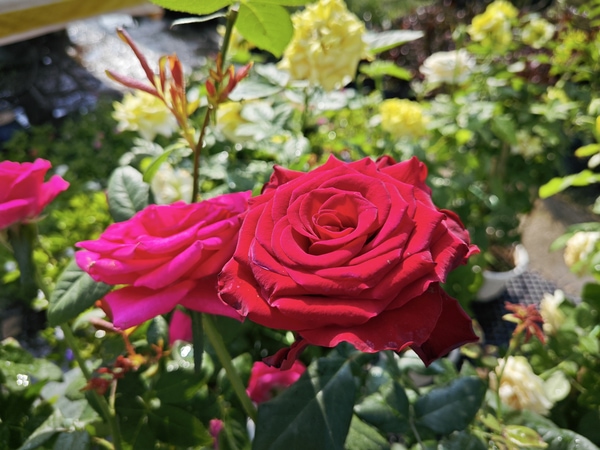
Many deciduous plants can be pruned well in January. Without leaves and with growth slowing down, it’s much easier to see how your plants are put together and make smart cuts.
What to cut back in January
- Trees that grow apples and pears
- Currants and gooseberries
- Wisteria (pruning in the winter)
- Bush roses and climbing roses
- Hedges that lose their leaves
Learn more about Growing Apples and Caring for Roses >
How to prune for success
- Use tools that are always sharp and clean to avoid hurting stems or spreading disease.
- First, get rid of branches that are dead, broken, or crossing over each other.
- Try to build a structure that is open and spaced out so that light and air can flow through it.
- Cut just above a bud that is healthy and facing out.
Don’t prune shrubs that bloom in the spring right now. Wait until after they bloom to do that.
Learn more about pruning techniques >
3. Look over the structures in your garden and fix them if they need it.
January is a great time to check out the ‘bones’ of your garden, which are the permanent structures that hold everything else up. It’s much easier to fix problems now than it is to fix them when plants are growing.
What to look at
- Gates and fences
- Arches, trellises, and pergolas
- Beds that are higher up
- Cold frames and greenhouses
- Sheds and storage spaces
Winter maintenance tasks that are helpful
- Make sure that screws and bolts are tight.
- Change out old, rotten wooden posts or boards.
- Cleaning the glass in your greenhouse will let in more light.
- Oil locks and hinges to keep them from rusting.
- Look for leaks or damage on roofs.
A strong, well-kept garden structure makes the whole growing season easier and more fun.
4. Improve soil with compost and organic matter
Every good garden needs healthy soil, and January is a great time to make it better, especially when the beds are empty or resting.
Why make the soil better in the winter?
- Before planting, organic matter has time to break down.
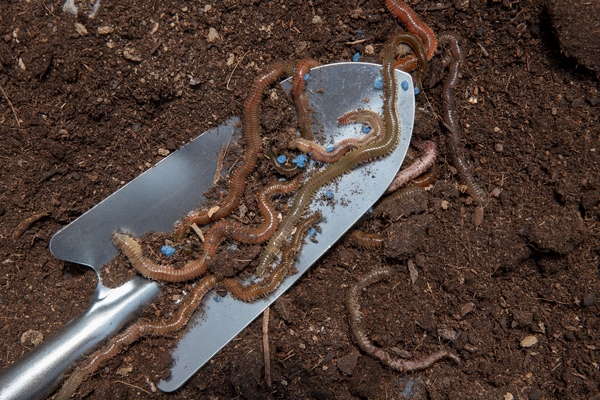
- Microbes and worms are still active below ground.
- The structure of the soil gets better over time without being disturbed.
What to add
- Compost made at home
- Manure that has been well-rotted
- Mould on leaves
- Mushroom compost that has been used
Put a thick layer on bare soil and let nature take care of the rest. You don’t need to dig unless your soil is very compacted. Disturbing the soil as little as possible helps keep soil life alive.
Learn more about fertilization and plant growth >
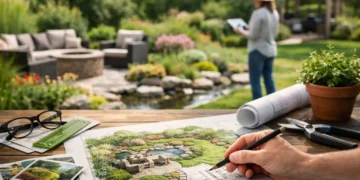
5. Make plans for your garden this year
January is the time of year when gardeners think. Now that you don’t have as many urgent tasks, it’s a good time to think about what worked and what didn’t last year.
Things to think about
- Which plants did well and which ones did poorly?
- Were there any dull or boring spots?
- Did bugs or diseases cause trouble?
- Did you have enough room for everything?
Ideas for planning
- Draw up new plans for vegetable beds or borders.
- Choose the location for crop rotation.
- Make plans for the colours of the flower borders.
- Find parts that need to be made easier or changed.
Planning ahead saves time, money, and stress later, and it makes gardening a lot more fun.
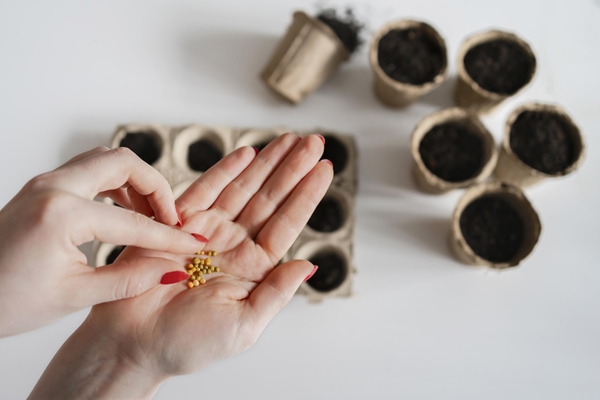
6. Buy seeds, plants, and other supplies early.
Looking through seed catalogues in January is one of the best things to do. Ordering early makes sure you get the kinds you want before the most popular ones run out.
What to get
- Seeds for vegetables to plant early
- Seeds for flowers that bloom in the spring and summer
- Potato seeds and onion sets
- Trees, shrubs, and hedges with no roots
Don’t forget your supplies.
- Trays and pots for seeds
- New compost
- Markers and labels
- Tools for replacement
You can start planting as soon as the weather is right if you have everything ready.
7. Clean, sharpen, and put away tools
January is the best time to take care of your garden tools because they work hard all year.
A list of things to do to keep your tools in good shape
- Get rid of rust and dirt.
- Sharpen the blades on hoes, spades, and secateurs.
- Put oil on wooden handles to keep them from cracking.
- Look for damage or stiffness in moving parts.
- Tips for staying organised
- Sort tools by the type of work they do and how often you use them.
- Keep them in a dry, easy-to-reach place.
- Put labels on storage areas to save time later.
Tools that are well cared for are safer, easier to use, and last a lot longer.
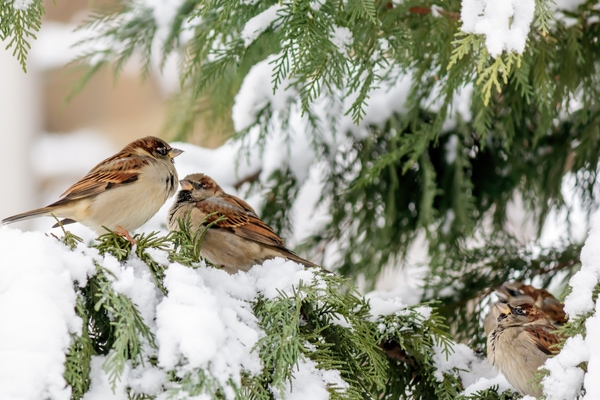
8. Give birds food and help wildlife in the garden.
January is the hardest month for wildlife because food and shelter are hard to find.
How to help animals in the wild
- Fill up bird feeders with seeds, fat balls, or peanuts.
- Give them fresh water every day, and break the ice if you need to.
- If you can, leave seed heads and fallen leaves where they are.
- Don’t bother animals that are hibernating.
Encouraging wildlife now will help with pest control and pollination later in the year, which is great for the garden.
See also: Top 10 Garden Bird Feeders >
9. Begin planting early under cover
In January, you can’t sow seeds outside very much, but you can still get a head start under cover.
What you can plant in January
- Leeks and onions
- Beans that are wide
- Lettuce in the early stages
- Sweet peas
Put it in a greenhouse, a cold frame, or on a bright windowsill. Make sure seedlings get enough light and keep compost just moist so they don’t grow too long.
Planting early spreads out the work and lets you harvest earlier later on.
10. Just look at and enjoy your garden.
Finally, one of the most important things to do in the garden in January is also the easiest: look around.
What to look for
- Patterns of frost and problems with drainage
- What parts of the house get sun or shade in the winter?
- Signs of bugs or illness
- Plants that are interesting in the winter
Take a cup of tea and walk through your garden, writing down ideas and things that inspire you. This quiet observation will help you understand your space better than any book or plan ever could.
A Soft Reminder from Good Garden Ideas
In January, gardening isn’t about doing everything at once. It’s about doing small, thoughtful things that will help you get started on the next year. Even an hour here and there can make a big difference.
So bundle up, take your time, and enjoy the slower pace. The work you do now to protect plants, improve the soil, and plan carefully will pay off many times over in the spring and summer.
We at Good Garden Ideas think that each season has something unique to offer. January’s gift is opportunity, and these ten jobs will help you make the most of it.
Enjoy your gardening 🌱
See also: Top 10 Jobs to Do in the Garden in December