Weeds are often the bane of a gardener’s existence, competing with desirable plants for nutrients, water, and sunlight.
However, managing weeds effectively doesn’t have to compromise your commitment to sustainability.
With a blend of research, creativity, and environmental awareness, you can employ strategies that minimize weeds while protecting the ecosystem.
Below, we explore effective natural weed control materials and methods tailored for sustainable gardening.
Understanding Weeds
Classification of Weeds
Weeds can be categorized into three primary types:
- Annual Weeds: Germinate, grow, and die within one year (e.g., crabgrass).
- Perennial Weeds: Last for several years and can return each season (e.g., dandelions).
- Biannual Weeds: Complete their life cycle over two years (e.g., foxglove).
Understanding the type of weed you’re dealing with is crucial for implementing the most effective natural weed control strategy.
You know the truth if you’ve ever knelt in your garden on a warm morning with a cup of coffee in one hand and a stubborn weed in the other: weeds never give up.
They show up where you don’t want them, grow well where nothing else will, and seem to multiply overnight.
But here’s the good news: you don’t have to use harsh chemicals, burn the ground, or get frustrated all the time to control weeds.
Natural weed control doesn’t mean fighting with your garden. It’s about working with nature instead of against it.
Weeds aren’t just annoying in sustainable gardening; they’re also clues. They tell you how healthy your soil is, how much water it has, and how balanced your ecosystem is.
When you stop thinking “kill all weeds” and start thinking “manage wisely,” something amazing happens: your garden gets healthier, grows more, and is much easier to care for.
Let’s look at some useful, effective, and eco-friendly ways to do things that don’t involve toxic sprays, guilt, or burnout.
Changing the Way We Think About Weeds: From Enemies to Signs
Not all weeds are bad. Some plants make the soil better, stop erosion, draw in pollinators, and even feed good bugs.
Dandelions make compacted soil less dense. Clover adds nitrogen. Chickweed works like living mulch. You can learn a lot about what your garden needs by paying attention to what the weeds are saying.
Weeds tend to grow in places where the conditions are just right for them, like when the soil is too wet, too dry, or has too many nutrients. Instead of asking, “How do I kill this?” ask, “Why is this doing so well here?” That one question can change the way you garden.
Sustainable natural weed control is less about getting rid of weeds and more about making it possible for desired plants to outcompete unwanted ones.
Mulching: The Silent Hero of Weed Control
Mulch would be the superhero for natural weed control.
Mulch does a lot of things at once: it blocks sunlight, stops seeds from sprouting, keeps moisture in the soil, improves the structure of the soil, and feeds microorganisms. It works very well, is simple, and is very powerful.
The Best Natural Mulches
- Straw or hay is great for vegetable gardens.
- Wood chips are great for paths and beds that stay green all year.
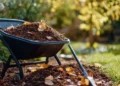
- Leaves are free, plentiful, and full of nutrients.
- Grass clippings are a great source of nitrogen (use thin layers).
- Compost feeds the soil and keeps weeds from growing.
Tips for Mulching
- Put down mulch that is 2 to 4 inches thick.
- Always put mulch on wet soil.
- To keep plants from rotting, keep mulch away from their stems.
- Change the mulch every season.
Not only does mulch stop weeds, it also builds soil, saves water, and makes plants healthier. That’s the best way to do sustainable gardening.
Learn more about Mastering Mulching >
Nature hates bare soil, so plant densely.
Weeds love bare soil.
Nature’s rule is easy: if the ground is empty, something will grow there. What is the answer? Fill space on purpose.
Dense planting blocks out sunlight, stops weeds from growing, and makes the most of the space available for plants to grow. Instead of empty spaces, think of living mulch.
Great Cover Plants
- Thyme that creeps
- Clover
- Alyssum sweet
- Strawberries
- Vetch
- Nasturtiums
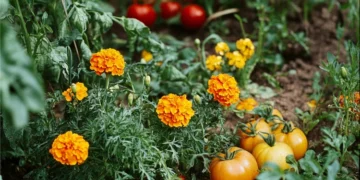
Plant crops next to each other in vegetable gardens. For example, plant lettuce between tomatoes, basil between peppers, and carrots between onions.
This method not only keeps weeds from growing, but it also makes the soil healthier and more resistant to pests.
A garden with a lot of plants is one that doesn’t have weeds.
Smothering Weeds Naturally
Weeds sometimes need a firm but kind notice to leave.
Smothering is a strong, chemical-free method that works great for garden beds, paths, and areas that are hard to deal with.
Materials for smothering:
- Cardboard
- Paper
- Burlap
- Landscape fabric that breaks down in the ground
Put these things on top of the weeds, soak them well, and then cover them with mulch. This stops sunlight from getting through, kills weeds, and makes the soil better as the material breaks down.
This method is great for:
- Making new beds
- Taking back areas that have grown too much
- Keeping invasive plants in check
High reward, low effort.
The Smart Way to Hand Weeding
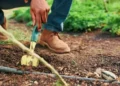
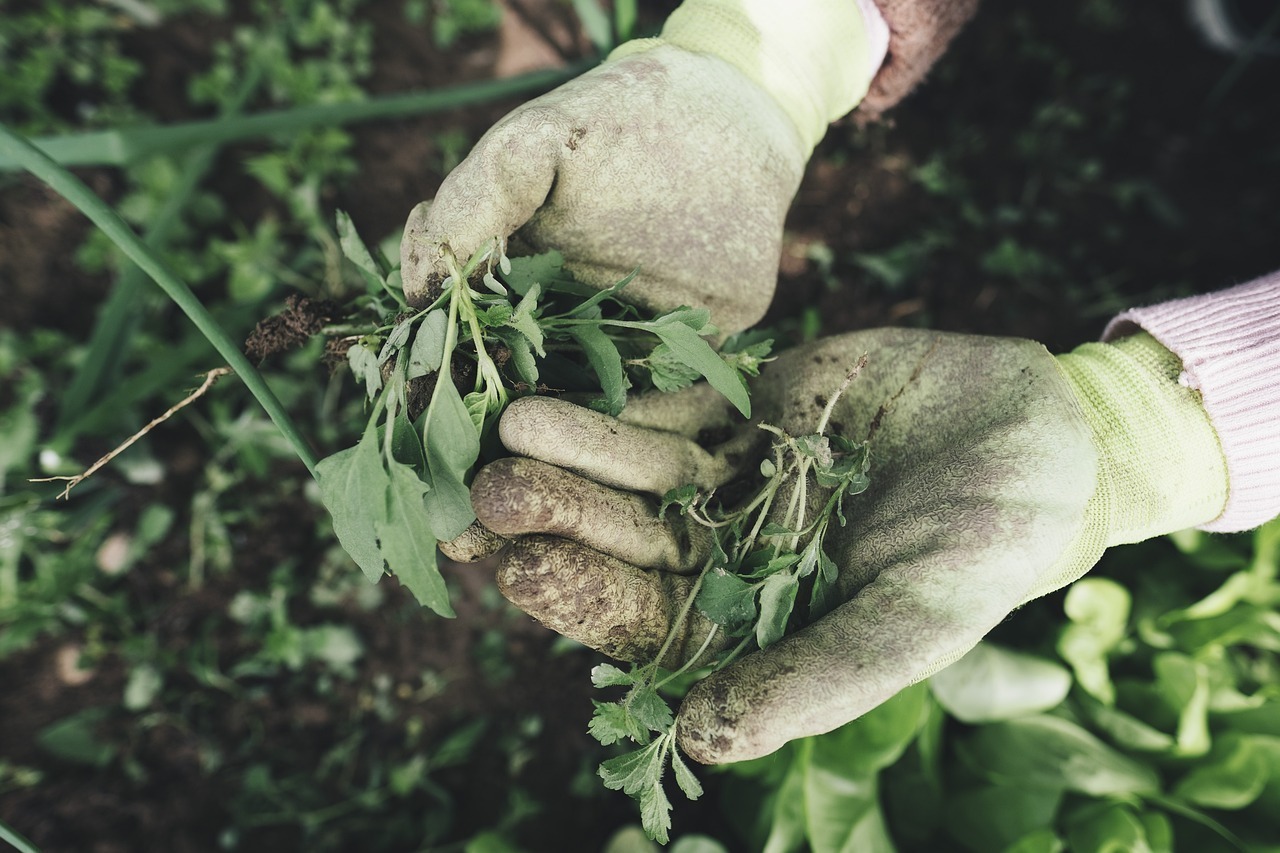
Yes, hand weeding is still important, but there is a better way to do it.
Timing Is Important
Weed when the soil is wet from rain or watering. Roots come out easily, and there is less regrowth.
Weed When Young
Weeds that are small are easy. Weeds that are grown up are fights. Taking action early saves hours of work.
The Right Tools Matter
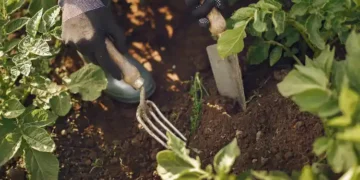
- Stirrup hoes
- Forks for hands
- Pullers of dandelions
- Knives that are hori-hori
Weeding doesn’t have to be a chore. A few minutes every day is better than hours every now and then.
Soil Health: The Best Way to Get Rid of Weeds for Good
Plants grow well in healthy soil. Weeds can’t grow in strong plants.
Weeds naturally lose their edge when the biology of the soil is healthy.
Make soil healthy with:
- Composting
- Worm poop
- Mold on leaves
- Matter that is organic
- Crops that cover the ground
Don’t compact the soil, till it too much, or take away organic matter. The life in the soil is like an invisible team that keeps weeds at bay.
Learn more about Sustainable Soil Management >
Cover Crops: Living Walls of Weeds
Cover crops keep weeds from growing and protect the soil at the same time.
The best cover crops for keeping weeds down:
- Clover
- Rye
- Buckwheat
- Vetch
- Alfalfa
They block sunlight from reaching the soil, make it stronger, feed microbes, and stop weed seeds from sprouting. They also naturally make things more fertile.
Natural Weed Killers (When Used Correctly)
Sometimes you need to take direct control, and nature gives you choices.
Natural solutions:
- Boiling water is great for filling in cracks and paths.
- Vinegar (acetic acid) kills young weeds on the surface
- Salt—Use it sparingly, and never in garden beds.
These methods work best on hardscapes, not soil beds. The first thing that sustainable gardening does is protect the life in the soil.
Designing for Weed Prevention
We all learn this about gardening at some point: weeds don’t wait for permission. They don’t care about your plans, when you want to plant, or when you have free time on the weekends. They just show up—bold, determined, and full of confidence—wherever there is bare soil and a chance.
But here’s the good news: the best way to get rid of weeds doesn’t involve pulling, spraying, or fighting. Design is where it all begins.
One of the most powerful (and often ignored) ways to keep weeds from growing is to plan your garden carefully.
When you plan your garden carefully, you make it hard for weeds to get started in the first place.
In sustainable gardening, it’s always better to stop problems before they happen than to fix them after they happen. Good design does most of the work for you.
Let’s look at how designing with nature can cut down on weeds, save time, and make your garden healthier and more beautiful.
Bare soil is an open invitation.
Empty space is something that nature hates. There is no rent needed to move in on bare soil. Weed seeds are always in the soil seed bank, waiting for light and room to grow.
The first rule of design that keeps weeds from growing is simple:
- Don’t ever leave dirt bare.
Something will eventually grow in every patch of open ground. The goal is to make sure that what you have is something you want.
Design with Layers, Not Lines
Rows and open spaces that leave soil exposed are common in traditional gardens. Sustainable gardens are different because they use layers.
Think not a farm field, but a forest.
Garden Layers That Keep Weeds from Growing:
- Canopy layer: trees and big bushes
- Berries and flowering bushes make up the shrub layer.
- Herbaceous layer: flowers and vegetables
- Plants that grow low and spread out cover the ground.
- Root layer: potatoes, onions, and carrots
Weed seeds can’t sprout when your garden has layers that go up and down and across.
Paths are more important than you think.
Weeds thrive in messy, undefined areas. It is easier to keep weeds from growing when there is a clear structure.
Designing a Smart Path:
- Paths with mulch
- Walkways made of gravel
- Stepping stones with plants around them
- Wood chip paths
Defined paths keep foot traffic in check, stop soil from getting too compacted, and keep weeds from getting into beds. Not only do good paths work, but they also keep weeds out.
Raised Beds: A Design That Works Better
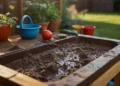
Raised beds are a dream come true for keeping weeds out.
They:
- Make drainage better
- Make the soil less compact
- Give controlled inputs to the soil
- Make it hard for invasive weeds to grow.
When you add thick mulch and plant densely, raised beds naturally keep weeds out.
Plant Spacing: The Closer, the Better
Sustainable gardens do better when plants are planted closer together, which goes against what most people say.
Plants that are close together shade the ground, keep moisture in, and keep weeds out. Don’t think about being empty; think about being full.
Planting vegetables and flowers together, like basil with tomatoes or lettuce under peppers, makes living mulch and keeps weeds from growing.
- Weeds grow along the edges.
- Weeds get in at the edges of the garden.
Design for an Edge That Keeps Weeds Out:
- Edging made of metal
- Borders made of stone
- Deep trenches for mulch
- Thick border plantings
A strong edge is a line of defense that keeps your garden safe.
Think about mulch when you design
Mulch is not an afterthought; it is part of the design.
- Plan your beds so that they can hold mulch:
- Planting areas that are a little bit lower
- Set borders
- Shapes that work well with mulch
- Big paths
When mulch is part of the design, it’s easy to keep weeds at bay.
Perennials as Living Shields
Perennials are great at keeping weeds down.
They come back every year, slowly fill in the space, and stay there. Once they are in place, they don’t leave much room for invaders.
Some great weed blockers that last a long time are:
- Daylilies and hostas
- Lavender
- Grasses for decoration
- Creeping Thyme
Long-term weed control comes from a perennial structure.
Let Nature Be Your Designer
Watch how nature works:
- No bare soil
- No monocultures
- No empty space
- Constant plant coverage
- Natural mulch from leaf fall
Nature doesn’t pull weeds; it makes systems that don’t need them.
Embracing Imperfection
It’s not healthy to want a garden without weeds. A garden that is balanced is.
Gardening that is good for the environment lets some wildness in. A little bit of chaos. A few surprises. That’s where biodiversity is.
A few weeds don’t mean you failed; they mean your garden is alive!
Common Questions about Natural Weed Control
How do I know when to weed?
Weeds are easiest to manage when they are young and small. Regularly inspect your garden, especially after rain, when the soil is moist, making weeding easier. Aim to remove weeds before they reach flowering and seed-setting stages.
What if my garden is heavily infested?
For larger infestations, consider a combination of the methods mentioned. Use a heavy layer of mulch, employ natural herbicides, and integrate hand weeding to tackle existing problems. Cover cropping during the off-season can also help prevent future issues.
Are there any synthetic options that are less harmful?
If using synthetic herbicides, opt for ones labeled as environmentally friendly or less toxic, and follow all application guidelines carefully. However, relying on synthetic substances should be the last resort in a sustainable garden.
Can I prevent weeds without using any materials?
Yes, prevention strategies such as practicing crop rotation, maintaining healthy soil, and ensuring proper garden spacing can minimize weed growth without additional materials. However, a combination of methods tends to produce the best results.
The Mindset of a Sustainable Gardener
Natural weed control is a way of thinking, not a thing.
It’s better to be patient than to panic. It’s systems, not sprays. It’s better to stop something from happening than to react to it. Instead of controlling nature, you work with it.
Weeds stop being a problem and become background noise when you make healthy soil, plant a lot of plants, and create living ecosystems.
In the end, remember to garden with nature, not against it.
Weed control that lasts isn’t harder; it’s smarter.
It makes things easier. It costs less. It keeps pollinators safe. It makes the soil better. It makes gardens that can last.
And most importantly, it brings us back in touch with the natural cycles of growth, balance, and renewal.
When a weed shows up in your garden, smile. It’s not a bad thing. Nature is just doing what it does best: growing.
You’re not fighting that growth; you’re guiding it with the right strategies.
That’s the most important part of gardening that lasts.
Learn more about Sustainable Gardening >