Looking at the wildlife in your garden you may think of beautiful birds, busy squirrels and even sly foxes. Well-known, however, are the thousands of species of garden beetles, and they’re no exception to the wildlife in your garden, numbering over 350,000.
Here we’ll embark on a journey to get to know the beguiling world of garden beetles and they’re functions, their enormous array, and how you can learn to admire them as the sentinels of your garden.
Understanding the Importance of Garden Beetles
Concerning the insect world, beetles are at the top of the list of the most abundant and diverse. Coming in thousands of species, they can be found in gardens, fields and forests all over the world.
Often seen as pests, many of these beetles are, in fact, essential components of a well-balanced ecosystem, and with a deeper understanding of their roles we can come to see how vital beetles are to soil health, pest control and the overall web of life.
Here are some key roles they play:
Pollination and Biodiversity Indication
We often think of pollinators we often think of bees and butterflies, but the humble beetle has a lesser-known but equally important role to play in this area.
Flower beetles, as they move from one bloom to the next in search of nectar or pollen, are picking up and dropping off pollen grains, and helping to support the production of fruit and seeds.
Flower beetles inadvertently pollinate the plants they visit and a diverse range of beetle species is often a sign that the ecosystem is balanced and healthy.
When beetles are thriving, it’s a surefire sign of good soil, an abundance of plant life and very little chemical use.
Decomposition and Soil Building
In terms of the breakdown of organic matter, a key group of beetles play a vital role, and are made up of dung beetles, carrion beetles and darkling beetles.
These beetles, with their voracious appetites, consume dead plant material, animal remains and waste. All the while, recycling the nutrients they digest back into the soil.
By doing so, they have an ability to also improve soil texture, increase aeration and, because of their ability to break up clods, stimulate the growth of microorganisms that can be beneficial to plant health. Dung beetles, for instance, make a very specific contribution to the ecosystem.
Burying animal waste and in doing so, adding oxygen to the soil and getting rid of stinky messes, while disheartening fly infestations.
Their constant composting activity will ensure that your soil, and consequently your plants, stay in peak condition.
Pest Control
For natural pest control, beetles are among the most valuable assets in your garden.
Predatory beetles such as ladybugs, ground beetles, and rove beetles are voracious feeders on harmful insects that damage garden plants.
Ladybugs, for instance, consume large numbers of aphids, mites and scale insects that weaken leaves and stunt plant growth, and their ability to outcompete these pests is a balm for many a garden.
When, on rare nights, ground beetles emerge to hunt under the cover of darkness, they feed on slugs, cutworms and caterpillars lying in wait in the soil, dangerous pests who can decimate garden growth dramatically cutting down the need for chemical pesticides in your garden and saving your crops.
Diverse Types of Garden Beetles You May Find
As a backyard enthusiast, understanding the different types of garden beetles can help you appreciate their unique contributions to your garden.
Visit the Wildlife Trust to learn more about identifying beetles >
Here are some common beetles you might encounter:
1. Ladybugs
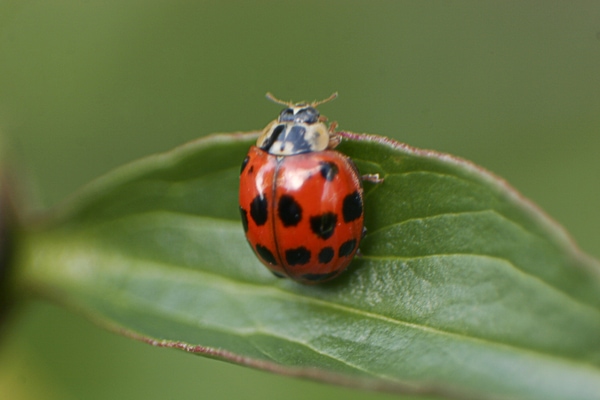
With respect to your garden, ladybugs are essentially your best friends. These small, round insects are natural pest controllers that require no pesticides, and if you know what to look for, you can bring them to your garden to fight the war against aphids, mites, and whiteflies.
Well-known as ladybirds or lady beetles, ladybugs are most active in the spring and summer months, and thrive in sunny areas with lush vegetation, think roses, tomatoes, beans and peppers.
They like to congregate on the undersides of leaves or near flower buds where their prey cluster, and you can also spot them taking a breather on garden stakes, fences or the soil surface.
Adult ladybugs are relatively easy to spot, thanks to their bright red, orange or yellow wings decorated with black spots and dome-shaped bodies.
The baby ladybugs, or larvae, however, are elongated, dark and quite hairy and are all too often mistaken for pests, but are really, incredibly powerful and eat even more aphids than the adults do. Both stage are beneficial, and should be left be.
Attracting ladybugs is also easy, you just need to plant nectar-rich flowers.
Dill, fennel, marigolds and yarrow do the trick and avoid spraying any pesticides because they can hurt both the ladybugs and their food. Providing some shelter in the form of leaf litter, or a small shrub, is also a good idea as it invites them to call your garden home.
2. Ground Beetles
Evaluating the top beneficial insects for your garden, ground beetles rank right up there. As nocturnal hunters they feed on slugs, caterpillars, aphids and any other pests that might be damaging your plants, and by knowing where to look and what they look like, you can go a long way towards protecting these little allies.
Coming out at night and preferring damp, cool places, during the day they like to hide under rocks, logs, mulch, or piles of leaves, so you’ll often find them when turning over the soil or clearing out the garden debris.
They are particularly abundant in compost heaps and in rich, organic garden beds because those areas are teeming with the very things they love to eat, and which your plants don’t.
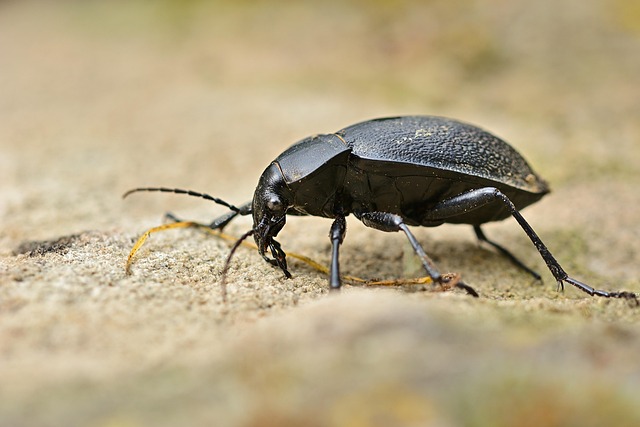
Ground beetles can be identified by their black or metallic colouring, elongated bodies, long legs and hard, shiny shells.
They zip along and are anywhere from a quarter to over an inch long, and unlike many other beetles that feed on your plants, these don’t, they are strictly carnivores.
Well-known for boosting the health of a garden, encouraging ground beetles by piling up mulch and natural cover in your garden, gives them a home, and maintains a finely balanced ecosystem.
3. Rove Beetles
Rove beetles are small but valuable allies in your garden. They may be overlooked, and their speed doesn’t help, but they’ve got the job done when it comes to controlling pests and balancing the soil.
Well-known for their love of moist, shaded areas, you’re most likely to find them under mulch, compost heaps, leaf litter, or stones and places where their food, aphids, mites, fungus gnats, and small larvae tend to thrive.
Nighttime is when they’re most active, feeding and then hiding in soil crevices or under decaying vegetation until the next night. If you have a compost heap or a mulched garden bed, it’s probable that these beetles are hard at work there right now.
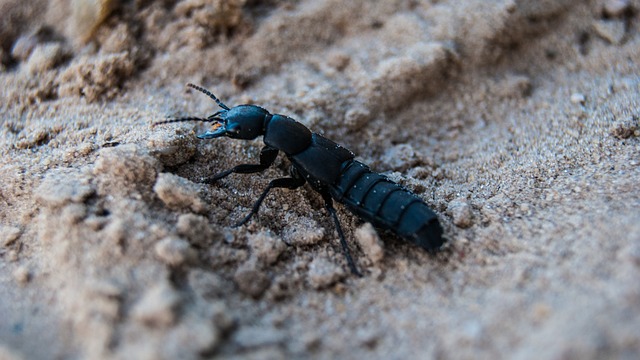
Rove beetles are quite easy to spot, being elongated, slender and with very short rear covers that leave lots of their rear end exposed.
Often they’re black or dark brown and zip around quickly. When they feel threatened, they raise their rear end in a sort of scorpion-like manner, but aren’t harmful to humans.
By keeping the ground covered and away from pesticides you’ll be creating a haven for these beetles, and sending your garden into a state of vibrant health.
4. Scarab Beetles
Looking at the garden, scarab beetles are hard to miss. They’re found in soil-rich areas and at their peak in warm weather, especially in late spring and summer, you’ll notice them around compost heaps, flower beds, lawns and coming alive at night near outdoor lights.
Well-known for their ability to break down organic matter and recycle nutrients, some species, like dung beetles, thrive in areas with animal waste and decaying matter, feeding off the rotting remains, and turning it into something nourishing for the garden.
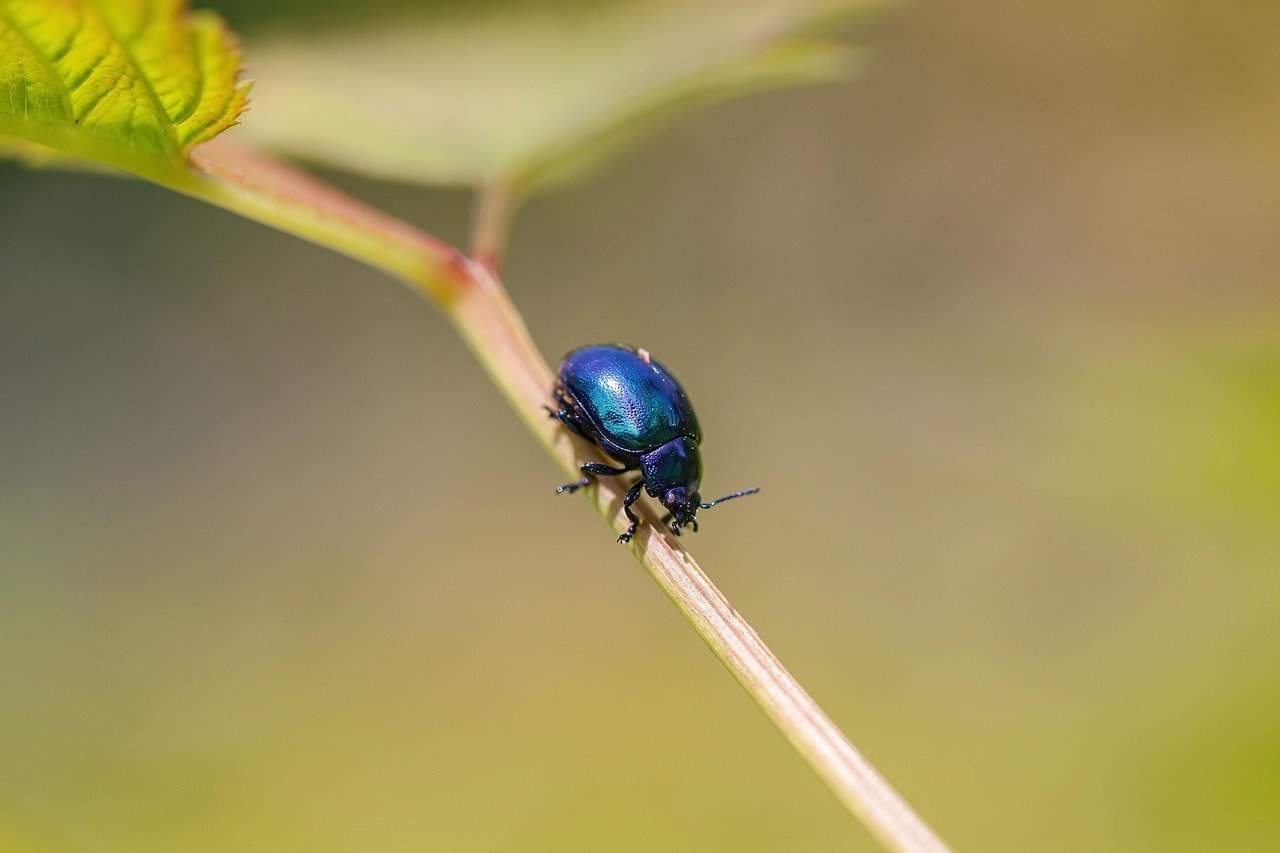
Adult scarab beetles are usually shaped like ovals, rounded or squarish, and sport hard, mirror-like shells that can be anything from brown and black to iridescent green, or bronze.
The size of these beetles can vary too, anywhere from a few millimeters to over an inch. Dung beetles and flower beetles are great for the garden as they are composting experts, whereas June bugs and Japanese beetles can be absolutely devastating to your plants.
5. Japanese Beetles
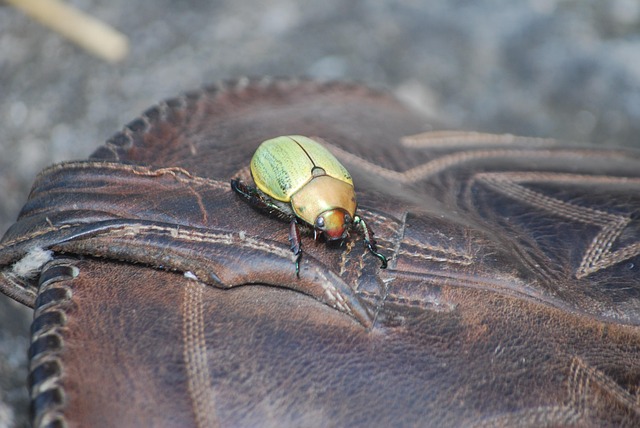
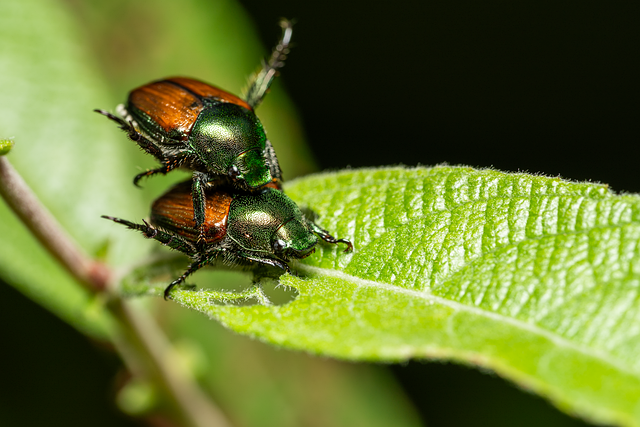
For Japanese beetles, you’ll be familiar with the metallic green and copper body of this highly destructive garden pest.
Coming in waves of numbers from late spring through mid-summer, Japanese beetles can decimate flowers, fruits and foliage.
It’s crucial that you learn to spot them early in the day, on sunny days, when they are clustered on roses, grapes, beans, linden trees and other broadleaf plants.
They work in teams, skeletonizing leaves and feeding on the tissue between the veins. Unchecked they can be a disaster for your plants.
Coming from underneath the ground, the larvae, also known as white grubs, can kill your grass by feeding on the roots and will cause unsightly brown patches in lawns.
Japanese beetles are roughly half an inch long, metallic green and have copper-brown wing covers, along with tiny white tufts of hair along the sides and back of their abdomens.
Regular monitoring of your plants and the soil will allow you to spot the first signs of infestation, and hand removal, neem oil sprays and beneficial nematodes for the grubs, are effective eco-friendly ways to take control of these beetles.
Learn more about eco-friendly pest control >
Common Questions About Garden Beetles
Many people have queries regarding these fascinating insects.
Here are some common questions and their answers:
Q: Are all beetles harmful to my garden?
A: No, not all beetles are harmful. In fact, many species are beneficial and contribute to pest control and soil health. Identifying the species will help determine if they are friend or foe.
Q: How can I attract beneficial beetles to my garden?
A: You can attract beneficial beetles by planting native flowering plants, providing food sources like aphids (for ladybugs), and avoiding pesticide use, which can harm them.
Q: What should I do if I find harmful beetles in my garden?
A: You can manually remove them or apply organic pest control methods, such as neem oil, which are less harmful to beneficial insects.
Tips for Observing Beetles in Your Backyard
If you are intrigued by these garden guardians, here are some tips for observing beetles in your backyard:
- Be Patient: Spend time in your garden during dawn or dusk, as many beetles are more active during these times.
- Set Up Beetle Traps: Simple traps can help you monitor the beetle population in your garden. Use safe, non-toxic methods to minimize harm to beneficial species.
- Document Your Findings: Keep a journal of beetle sightings to identify patterns and potentially discover new species that visit your garden.
- Learn About Their Lifecycle: Understanding how beetles develop—from eggs to larvae to adults—can enhance your appreciation for these creatures.
Summary
In the case of your garden, garden beetles are anything but simple, they’re the unsung heroes.
When you’re nurturing your garden, be sure to pay attention to the various beetles that call it home, and understand the roles they play.
They’re the secret to a balanced ecosystem, not just good neighbors, but also good for your plants and the health of your garden.
Coming across one of these beetles crawling through the soil or on your flowers is a reminder that you’re seeing one of the best guardians of the garden at work.