Well-known for being easy to care for and a hardy species, in this guide, we’ll be breaking down the key to growing radishes and also clearing up any frequently asked questions so that you can start growing your own radishes, bountiful ones, at that.
There’s no shortage of qualities that make it the unsung hero of the vegetable garden. Its rapid germination, simplicity and abundant flavor, in particular, are not to be sniffed at.
Coming from a novice or a master gardener, growing healthy radishes can be a deeply satisfying experience.
Understanding Radishes
The Basics
With respect to radishes, Raphanus sativus is the species name and it falls under the Brassicaceae family family, basically the same family as cabbage, broccoli and cauliflower.
Coming in many shapes, sizes and hues, the typical red globe-shaped radish is just one of the many varieties, we also see white, black and purple ones.
Growth Cycle
Radishes are exceptionally fast-growing crops with a growth cycle of about 3 to 6 weeks, depending on the variety.
This quick turnaround makes them an excellent choice for both beginners and experienced gardeners.
Types of Radishes
-
Globe Radishes
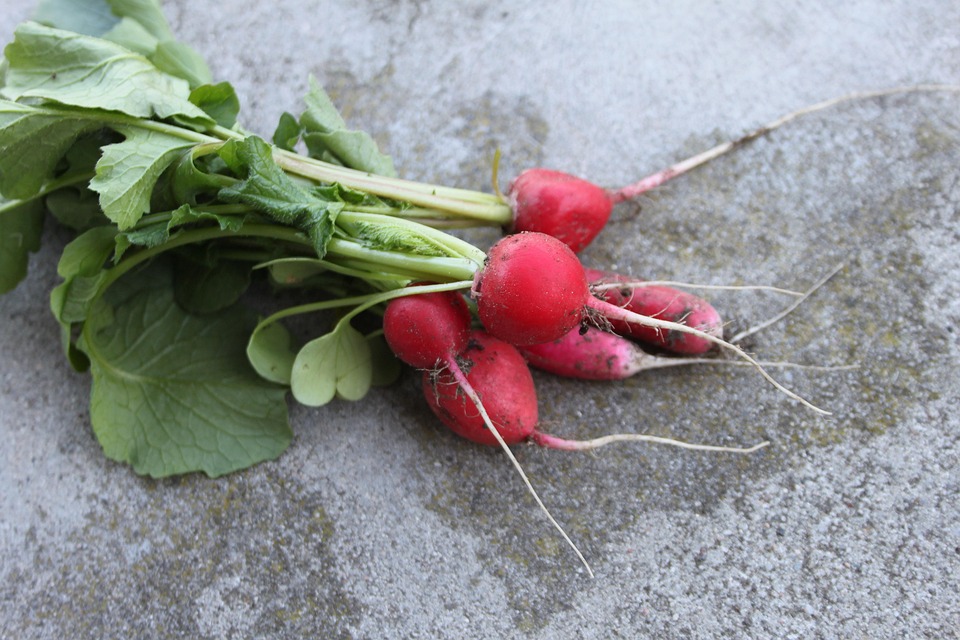
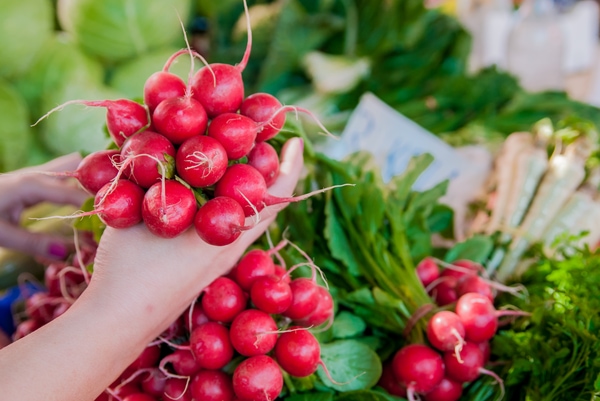
Globe radishes, often recognized by their small, round shape and vibrant red skin, are a delightful addition to both gardens and kitchens.
These radishes are characterised by their snappy texture and pleasantly mild kick, and belong to the same family as cabbage and mustard.
Well-known for their rapid growth, globe radishes can be ready for the table in just three to four weeks, making them a top choice for novice gardeners or anyone who wants a quick return on their efforts. They love to grow in cool weather and well-drained soil, and require nothing more than regular moisture and sunlight to develop that signature crunch.
Nutritionally, globe radishes are practically calorie-free but are bursting with vitamin C, potassium, and antioxidants that can knock out colds and kickstart digestion, plus their nice heat gets the appetite going and adds a refreshing zip to salads, sandwiches, and stir-fries. The leaves on top of these radishes are edible too. You can chop them up and sauté them, or throw them into a pesto sauce.
Sliced thin, globe radishes make for a lovely garnish, or roasted they’re sweet and mellow, and basically offer up two sides of the coin. Easy to grow and easy to enjoy, they are the epitome of small vegetables with lots to offer.
-
Long Radishes
– Often white or yellow, these radishes have a longer growing season and are usually milder in flavor.
When discussing adding a radish to your meals, long radishes are definitely worth considering. Their elongated shape and crunchy texture set them apart from the small round globe varieties, and are characteristic of their relatively mild yet slightly spicy flavor. Although popular types in Asia and Europe are more pronounced in their characteristics and colors.
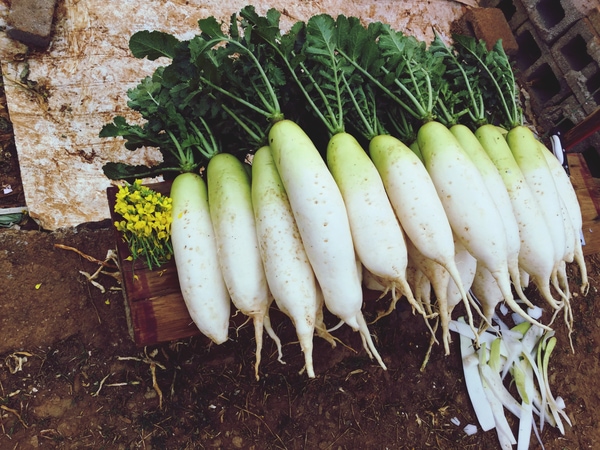
Well-known as the white daikon radish, it is found in Japan as well as Asia and these European kinds are red or pink, each adding their own flair to any dish. They flourish best in cool conditions and loose, well-drained soil, and will form straight, smooth taproots in these conditions.
It usually takes around six to eight weeks for them to mature, and they keep well if stored in the fridge and kept moist, coming out fresh-tasting any time you want them.
Nutrient-wise, long radishes are overflowing with vitamin C, fibre and digestive enzymes that make them perfect for a healthy diet, and they can be had raw, pickled, roasted, or mixed into soups and stews.
The slight heat and refreshing crunch that they bring to the table are a lovely addition to year-round meals.
-
Daikon Radishes
– A staple in Asian cuisine, these large white radishes are harvested in late fall or early winter.
You’re thinking of Japanese white radishes, those long, cylindrical roots that are known for their pleasant flavour, snappy texture and extreme usefulness, when you hear the term “daikon radish”.
Coming from the world of Asian cuisine, daikons differ from the small, pungent red radishes you’re more used to seeing in salads, offering a mellow sweetness and a touch of heat that has made them a staple in Japanese cooking and, increasingly, Western kitchens.
Preferring cooler temperatures, daikon radishes love to grow in loose, well-drained soil where their roots can unfurl deep and straight, and are normally ready to eat in around 50-70 days.
Gardeners love them not just for the flavour and nutrition they bring, but also for the way they help aerate the soil and knock out weeds when used as a cover crop.
Nutritionally, daikon radishes are very low in calories, but pack in vitamin C, potassium and digestive enzymes that kick-start the metabolism and sort out any digestive issues, plus their very high water content makes them a great way to rehydrate and cleanse the body.
Coming in countless guises grated raw as a garnish, pickled for tangy side dishes, cooked in soups, or roasted for a soft, subdued taste.
Daikons can be used in any dish, and their clean flavour and snappy texture make them perfect for raw and cooked recipes alike.
In salads, sushi, or stews, daikon radishes add lightness, nutrition and sweetness to anything they’re added to.
Preparing Your Garden for Growing Radishes
Choosing the Right Location
Radishes thrive in well-drained soil and full sun. Aim for a location that receives at least 6 hours of sunlight daily.
Soil Requirements
Radishes prefer a loose, sandy loam soil with a pH of 6.0 to 7.0. Compacted or heavy clay soils can hinder root development.
To prepare your soil, follow these steps:
- Testing the Soil: Use a soil test kit to determine pH and nutrient levels.
- Amending the Soil: Incorporate compost or well-rotted manure to improve soil structure and fertility.
- Tilling: Break up compacted soil to about 12 inches deep.
Learn more about the importance of soil testing >
When to Plant
Radishes are cool-season crops that can be sown in both spring and fall. In most regions, early spring (2-4 weeks before the last frost) and late summer (for a fall crop) are ideal planting times.
Planting Radishes
Seed Selection
Choose seeds based on your preference for flavor, color, and intended use.
Popular varieties include:
- Cherry Belle: Round and bright red, with a crisp texture.
- French Breakfast: Oblong, bi-colored, and mild in flavor.
- Black Spanish: Large, black-skinned radishes with a robust flavor.
Sowing Seeds
- Spacing: Sow seeds about 1 inch apart in rows that are 12 to 18 inches apart.
- Depth: Plant seeds about half an inch deep.
- Thinning: Once seedlings have sprouted, thin them to about 3-4 inches apart to allow for proper root development.
Care and Maintenance
Watering
Consistent moisture is key to producing crisp radishes. Aim to keep the soil evenly moist but not waterlogged.
Watering deeply once a week is better than frequent shallow watering. Use mulch to retain soil moisture and suppress weed growth.
When growing radishes you’ll want to make sure they’re consistently getting the right amount of moisture. Irregular watering can result in deformed roots or a tough.
Water radishes deeply about three times a week based on the temperature and rainfall in your area. Aim to keep the top six inches of soil stay nice and moist, and sandy soils may need even more regular watering, while clay soils can go longer between waterings.
It’s best to water radishes in the morning, so that the leaves can dry out before nightfall and prevent fungal diseases. A delicate spray or drip irrigation system is also a good way to go, as it won’t disturb the shallow roots.
Covering the soil with straw or compost will also keep everything moist and warm, and during the last week before harvesting, you can cut back on the watering to give the radishes a boost in flavour and prevent them from splitting.
Learn more about the art of watering >
Fertilization
When growing radishes you’ll want to ensure the soil is rich and well-balanced, coming in with a pre-plant soil test will allow you to get the pH just right, between 6.0 and 7.0, which is what radishes need to absorb all the nutrients they require.
You should also add organic compost or aged manure two to three weeks before sowing.
But fresh manure won’t cut it here, it will ruin the shape of the roots.
When you’re planting, throw in a well-balanced fertilizer, something like 10-10-10 (N-P-K), into the top six inches of soil. Radishes don’t want loads of nitrogen, as it’ll make them leafy and stingy with the roots, but if you don’t give them enough, they’ll be weak and puny.
Well-known in the gardening world, radishes have a need for phosphorus and potassium to really get going.
So about two weeks after germination, give them a dose of a fertilizer rich in these two. This will sort out their roots and gives ’em a boost in the flavour department too.
Radishes also don’t like being waterlogged, nor do they like too much food, it can cause the roots to crack and become hollow. Balance out the fertilising with regular watering and thinning out, so that each plant has its own space and all the nutrients it needs.
Pest and Disease Management
Radishes can be susceptible to various pests such as aphids and flea beetles.
Here are some preventative measures:
- Prevention: Use row covers to protect young plants from pests.
- Organic Solutions: Neem oil or insecticidal soap can be effective against infestations.
- Crop Rotation: Change your planting location each year to prevent pests from becoming established.
Common diseases include downy mildew and root rot, which can often be avoided by ensuring good air circulation and proper watering practices.
Harvesting Radishes
When to Harvest
Timing is crucial for radishes. Harvest them when they reach their mature size, usually within 3-6 weeks of planting. Waiting too long can lead to a woody texture and bitter flavor.
Harvesting Techniques
- Gently pull the roots out from the soil by grasping the leafy tops.
- Use a fork or spade for larger varieties to avoid damage.
- Brush off excess soil, but avoid washing them until you’re ready to eat, as moisture can lead to spoilage.
Post-Harvest Care
Store harvested radishes in a cool, dark place for up to a week. For longer storage, consider placing them in a perforated plastic bag in the crisper drawer of your refrigerator.

Common Questions About Growing Radishes
Why Are My Radishes Not Growing?
Several factors may be at play:
- Poor Soil Conditions: Compacted soil can obstruct root growth.
- Inconsistent Watering: Fluctuating moisture levels can hinder development.
- Too Much Nitrogen: Excess nitrogen promotes leaf growth instead of root development.
How Can I Prevent Radishes from Going to Seed?
To avoid premature bolting (going to seed), ensure that radishes are planted at the right time for your climate and provide consistent moisture throughout their growth cycle.
Can Radishes Grow in Containers?
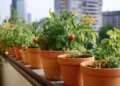
Absolutely! Radishes can thrive in containers with a depth of at least 6 inches. Use high-quality potting soil to ensure proper drainage and nutrient availability.
What Can I Plant Alongside Radishes?
Companion planting can improve growth and deter pests.
Consider planting radishes alongside:
- Carrots: They share similar growing conditions and help deter pests.
- Lettuce: A fast-growing crop that can benefit from the shade provided by taller radish plants.
- Nasturtiums: These can deter aphids and provide attractive flowers.
Creative Ways to Use Radishes
Culinary Uses
Radishes are versatile in the kitchen.
Here are some ideas:
- Raw: Sliced thinly in salads or served with dips.
- Pickled: Quick-pickling radishes enhances their crunchy texture and adds a zesty flavor.
- Roasted: Roasting radishes can mellow their sharpness and bring out a subtly sweet flavor.
- In Soups: Sautéed and added to soups for additional flavor and texture.
Health Benefits
Radishes are a low-calorie vegetable packed with nutrients. They are rich in Vitamin C, fiber, and several antioxidants, making them a healthy addition to your diet.
Troubleshooting Radish Growth
Common Problems
- Tough or Woody Roots: Usually a sign that the radishes were harvested too late or experienced inconsistent moisture.
- Spicy Flavor: Hot weather or prolonged growth can result in stronger flavors.
- Poor Germination: Often due to too deep planting or poor soil moisture.
Solutions
- Maintain Even Watering: Regularly check soil moisture.
- Harvest on Time: Monitor growth and harvest radishes at their peak size.
- Adjust Planting Depth: Ensure seeds are sown correctly for optimal germination.
Seasonal Gardening Tips
Spring Planting
In cooler climates, start radish seeds indoors 4 weeks before the last frost, then transplant outdoors. For warmer areas, sow seeds directly into the ground as soon as the soil can be worked.
Fall Planting
For fall crops, plant radishes 6-8 weeks before the first frost. Utilize row covers if temperatures are expected to drop significantly.
Radish Varieties to Try
Experimenting with different radish varieties can add diversity to your garden.
Here are some to consider:
- Watermelon Radish: A striking pink and green aesthetic with a sweet flavor.
- Purple Daikon: Offers a bold color and unique taste.
- Easter Egg Radishes: A mix of colors and shapes that adds visual interest to salads.
Summary
Growing radishes is an inviting option for both novice and experienced gardeners.
Their rapid growth rate, minimal needs and ability to thrive in most growing conditions makes them an excellent addition to any garden.
By arming yourself with the knowledge in this article, you’ll be enjoying fresh, crunchy radishes in a few weeks time.
With an understanding of the ideal growing conditions, care and innovative uses, you will be well on your way to nurturing a vibrant, booming radish garden, and your culinary creations will elevate to a new level.
Now is the time to start, your mouthwatering journey to the world of radishes is yet to come.