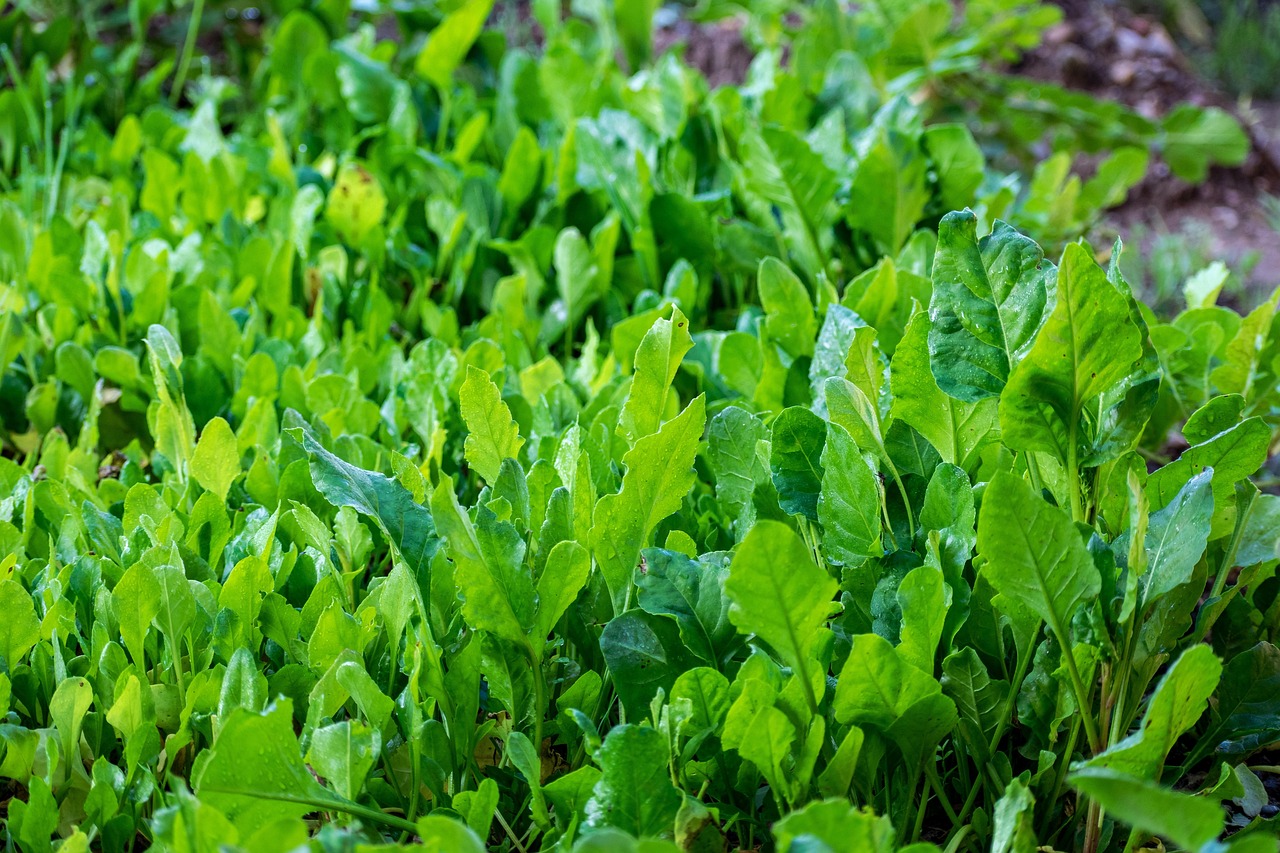
Regarding boosting the nutritional value of your garden, growing spinach is an excellent addition. Its tender leaves, and increasing popularity, offer a myriad of health benefits and is relatively easy to grow.
Coming from either a seasoned or new hand at gardening, growing spinach will be a fulfilling experience, and here we’ll take you through the fundamental steps to get started, tackle common questions and hand out advice to get your spinach thriving.
The Marvelous Benefits of Spinach
Before we dive into cultivation techniques, let’s explore why spinach is such a superstar.
Spinach is high on the list of superfoods, and for good reason. Its delicate appearance doesn’t do justice to its nutrient-dense properties. This leafy green is basically loaded with vitamins, minerals and powerful phytochemicals that knock out a lot of health problems, and because it’s so easy to work into any meal.
Whether it’s a raw salad, a smoothie or a hearty casserole. It’s practically effortless to add a nutritional boost to your day.

1. A Nutrient-Rich Powerhouse
Well-known for being very low in calories, one cup of raw spinach will give you a serious amount of vitamin A from beta-carotene, vitamin C, vitamin K1, folate, iron and calcium, and also magnesium and potassium that are two minerals that are great for the nerves and muscles.
One of spinach’s biggest advantages is its versatility: it can easily add nutrition to almost any meal without altering flavor dramatically. This makes it an effortless way to boost your daily nutrient intake.
It’s basically an automatic way to give your diet a much-needed kickstart.
2. Promotes Eye Health
One of the lesser-known benefits of spinach is that it’s an all-natural shield for the eyes.
Two antioxidants, lutein and zeaxanthin, are at the heart of its protective properties, and can prevent age-related macular degeneration and cataracts. Vitamin A also takes care of the retina and stops dryness in the eyes.
3. Supports Heart Health
Spinach is also a heart health miracle worker. The nitrates in it kickstart blood flow and bring down blood pressure, and its high levels of potassium and magnesium keep blood pressure in check, which in turn reduces the risk of heart disease.
You’re getting a boost of antioxidants that help combat oxidative stress and inflammation, when you add spinach to your diet.
These two major factors contribute to cardiovascular problems, but spinach’s heart-protective effects and its ability to keep your circulatory system functioning smoothly mean that it’s an excellent addition to your meals.
4. Strengthens Bones
Spinach is high in vitamin K and calcium that contribute towards stronger bones.
Along with magnesium, vitamin K helps in the production of osteocalcin, a protein that is necessary for bone density.
This helps build solid bones, lessens the chance of fractures and osteoporosis and may be beneficial for older adults, who are at risk of these problems.
5. Boosts Immunity and Skin Health
Well-known for its ability to boost the immune system and healing process, vitamin C in spinach takes its place in a league of heroes in battling infections.
The beta-carotene and flavonoids in spinach safeguard the skin against damage caused by environmental stressors, pollution and UV rays. Daily consumption of spinach is associated with a more radiant glow, resistance to sicknesses and youthful skin.
6. Supports Digestion and Weight Management
Spinach being abundant in fiber, it acts to ease digestion, making bowel movements regular and even prevents constipation.
Its negligible calorie count but high volume and nutrients mean that spinach is one of the perfect foods for those watching their weight. Helping to fill you up without loading up on calories.
In essence, spinach is truly a superfood that will claim its position as the number one veggie.
Its ability to promote eye and heart health, strengthen bones and boost the immune system are its claim to fame. Its mild flavour and ability to be combined with anything makes it the ideal addition to smoothies, soups, salads and stir-fries.
Regularly consuming spinach, is a financial investment in your long-term health and general well-being.
Choosing the Right Spinach Varieties
Spinach (Spinacia oleracea) is a cool-season leafy green that has nourished people for centuries.
Valued for its tender texture, vibrant color, and remarkable nutritional content, spinach is a must-have in any kitchen garden.
However, not all spinach is created equal.
Different varieties thrive in different climates, have distinct flavors, and vary in texture, appearance, and resistance to disease or bolting.
Understanding these differences can help you choose the right spinach variety for your growing conditions and preferences.
There are three main types: Savoy, Semi-Savoy and Flat-Leaf, each with its unique characteristics.
Savoy Spinach
Savoy spinach, has very dark green leaves that are deeply wrinkled and quite firm.
Coming from its origins in the cool spring and fall, this type is specifically suited to those periods of the year, and because its thickly wrinkled leaves trap lots of dirt, need a good scrubbing to clean.
Well-known Savoy varieties include Bloomsdale Long Standing, a classic heirloom that is prized for its sweetness and resistance to bolting, and Winter Bloomsdale, which is basically an extension of the original, but is even more frost hardy.
They’re ideal for growers in cooler areas, who want traditional spinach flavour and like planting in the early spring or late autumn.
Semi-Savoy Spinach
Semi-Savoy spinach has leaves that are only slightly wavy and don’t hold onto dirt as well as the Savoy varieties do. Because of that is more resistant to disease and running to seed, making it a top choice for both home gardeners and commercial farmers.
The leaves are deliciously tender, and have the ability to be used in so many different ways in cooking.
Tyee, is a semi-savoy that’s famous for its resistance to downy mildew and its flexibility to weather extremes, and does well in both the spring and autumn.
Melody is a cross between a semi-savoy and a flat-leaf spinach that’s very disease-resistant and has super smooth, luscious leaves that are perfect for freezing.
Finally, Indian Summer is an all-around reliable, workhorse variety that stands up well to both scorching heat and freezing cold.
Flat-Leaf (Smooth-Leaf) Spinach
The Flat-leaf spinach has leaves that are completely flat and silky to the touch, are very easy to clean and are basically ideal for fresh salads, or being processed into frozen or canned spinach.
Since it’s got such a smooth surface, it’s the go-to for commercial bagged spinach, but is slightly more prone to damage from pests and the elements.
Space is a hybrid flat-leaf that’s highly reliable, bolts poorly and resists downy mildew, and is a top choice for people who want a quick harvest.
The heirloom Giant Nobel is famous for its enormous, silky leaves, which are absolutely fantastic for cooking and juicing, and Red Cardinal adds a pop of colour with its reddish stems and mild-tasting green leaves.

Choosing the Right Spinach Variety for Your Climate
You’ll want to consider the climate in your area, when choosing the right spinach.
In cooler climates, varieties like Bloomsdale Long Standing and Winter Bloomsdale are ideal. They can even be mulched or covered to overwinter.
Coming from a milder region, you can try semi-savoy types such as Tyee or Melody which offer good cold tolerance and are also very resilient to heat.
If you live in a hot region with short cool seasons, bolt-resistant types such as Space, Indian Summer, or Malabar spinach, or even technically different from the rest but exceptional for heat tolerance.
Spinach is, by its nature, a cool-weather crop, and performs best in soil temperature ranges of 45°F to 68°F (7°C to 20°C).
Other factors to consider
The plant can “bolt” or go to seed when the temperature rises. Which turns the leaves into a bitter tasting mess, well-known in the world of gardening, when growing spinach.
Coming from a region where the weather is unpredictable or has warm springs, it’s best to plant slow-bolting or heat-tolerant spinach varieties, such as Space, Tyee, or Indian Summer.
Disease is another challenge in spinach cultivation. Modern hybrid varieties often have resistance to downy mildew and fusarium wilt, but you can still find resistant seed if you had problems with these diseases in the past, check out the seed packet.
Smooth-leaf spinach is what you want for fresh salads, so go for the likes of Space, or Giant Nobel.
Savoy and semi-savoy spinach are better for cooking and freezing because they hold their shape.
If you’re growing baby spinach for a market, baby spinach production will be achieved with fast-growing and uniform varieties like Space, or Melody.
When and Where to Plant Spinach
It’s a good idea to plant spinach in the cooler months, as it prefers mild temperatures, with daytime highs of 45 to 68 degrees Fahrenheit, or 7 to 20 degrees Celsius.
Spinach won’t be able to handle the heat and will go to seed and produce flowers, making the leaves turn unpleasantly bitter and basically inedible.
Coming down to the two things that will make your spinach crop succeed.
Timing and where you put it if you get these right, you’ll be enjoying the tender and luscious greens, but if not, you’ll be left with a stunted and disappointing crop.
Timing
The best planting time for spinach depends on your local climate, but the general rule is to grow it in the cooler parts of the year.
Spring Planting
You can plant spinach as soon as the soil can be tilled, roughly four to six weeks before the last frost in your area is due.
Spinach can germinate in soil temperatures as low as 40 degrees Fahrenheit, but 50 to 60 degrees is ideal and the plant’s happy to tolerate light frosts, so it’s not really a problem if it gets a bit chilly.
If you have a very mild spring that goes on forever, you’ll have several months of regular spinach harvests.
Fall Planting
Coming into autumn, sowing seeds eight weeks before the first fall frost is a good idea.
The cooler weather of late summer and early autumn sends the plants growing like crazy, and in areas that don’t get too cold, spinach can even overwinter under a layer of mulch or protection and gives you a springtime harvest.
Winter or Overwintering Planting
In areas that have mild winters, you can plant spinach in late fall, and it’ll grow slowly through the winter but bounce back beautifully in the spring, often in just a few weeks.
You’ll need some sort of protection for the young plants, like cold frames, row covers or low tunnels to shield them from the harsh frost.
Location
Especially in the spring and fall, when planting spinach you’re going to want to pick a spot that gets lots of sunlight.
Well-known for being sensitive to high temperatures, spinach can bolt prematurely in warmer regions and late spring, so partial shade is actually a good idea in these cases.
Spinach adores well-drained, fertile soil that’s rich in organic matter, and its ideal soil pH is 6.0 to 7.0.
Adding compost or aged manure to the top 6-8 inches of soil will really perk it up. Don’t plant in heavy clay soils, though, as they can cause waterlogging and kill the roots.
Coming from the world of container growing, spinach will thrive in pots and raised beds, so you can choose from either.
Make sure the container is at least six to eight inches deep with a good drainage system, and give it lots of water. Although it does have the perk of being able to be moved to a cooler spot if it gets too hot.
Soil Preparation
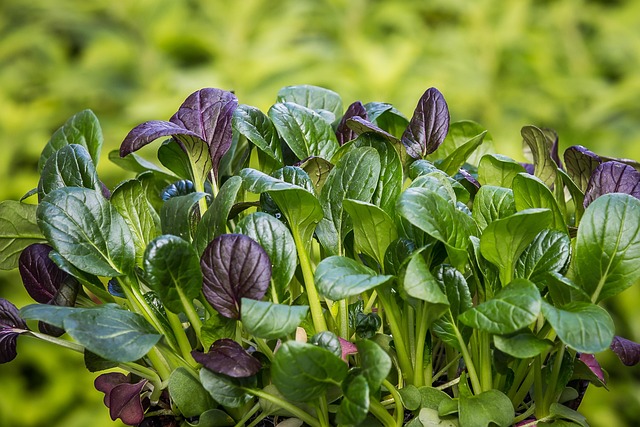
- Soil Type: Spinach flourishes in loamy, nutrient-rich soil with a soil pH range of 6.0 to 7.0.
- Improving Soil Quality: Incorporate compost or well-rotted manure into your garden bed to enhance soil fertility and structure.
- Drainage: Ensure the garden bed has good drainage to prevent waterlogging, which can lead to root rot and other diseases.
Planting and Care
Sow the Seeds
- Spacing: Sow seeds about ½ inch deep and 2 to 4 inches apart in rows that are 12 to 18 inches apart. Once seedlings grow to about 2 inches tall, thin them to give each plant ample space.
- Watering: Keep the soil consistently moist until the seeds germinate, which usually occurs within 7 to 14 days.
Fertilization
- Spinach does well with low to moderate nitrogen levels. A balanced organic fertilizer can be applied at planting and again midway through the growing season.
Tip: Over-fertilization can lead to lush leaf growth with lower nutrient density; moderation is key.
Learn more about fertilization >
Pests and Diseases
Though generally resilient, spinach can be susceptible to certain pests and diseases:
- Pests: Watch for aphids, spider mites, and leaf miners. Companion planting with flowers like marigolds can deter these pests.
- Diseases: Downy mildew and leaf spots may arise in humid conditions. Ensure proper spacing and air circulation, and consider using disease-resistant varieties.
Learn more about garden pests >
Harvesting
Once your spinach leaves reach the desired size (about 4 to 6 inches long), you can start harvesting.
Spinach can be harvested in two ways:
- Cut and Come Again: Trim the outer leaves, allowing the inner ones to continue growing. This method encourages regular harvests.
- Whole Harvest: Pull the entire plant from the roots if you want to consume all it at once or need to clear space in your garden.
Tip: Harvest in the morning for the best flavor and texture. Spinach tends to wilt quickly if exposed to heat.
Common Questions about Growing Spinach
1. Can I grow spinach indoors?
Yes! Spinach can be grown in containers indoors, provided they receive adequate sunlight (at least 6 hours daily). Choose a deep pot (at least 8-10 inches) to allow for root development.
2. How do I prevent bolting?
Bolting occurs when spinach goes to seed prematurely, usually due to heat stress. To avoid this, consider planting heat-resistant varieties and scheduling your planting for cooler months.
3. Is it better to start seeds indoors or direct sow?
While starting seeds indoors can give you a head start, spinach germinates well when directly sown in the garden. If you start indoors, transplant seedlings carefully to minimize root disturbance.
4. How can I extend the growing season for spinach?
Consider using row covers or cold frames to protect your spinach plants from frost, allowing for earlier spring planting and later fall harvests.
Incorporating Spinach Into Your Diet
Once you’ve successfully harvested your spinach, the fun continues in the kitchen.
Here are some ideas for using your garden-fresh spinach:
When it comes to adding nutritious and delicious goodness to your meals, spinach is one of the best, most versatile options.
Its vitamins A, C, K and folate, plus iron, calcium and antioxidants make it an all-around health superhero.
Well-known as a morning staple, breakfast is the perfect time to squeeze in a handful of greens and with its mild flavour, spinach is no problem to blend into a morning smoothie with bananas, pineapple, or mango. It also adds a new dimension to scrambled eggs, omelets and breakfast wraps with its wholesome, energy-boosting properties.
A fresh bed of spinach leaves can be transformed into the base for an exquisite salad when combined with beautiful colourful vegetables, nuts, fruits and light dressing, so try making a strawberry and walnut spinach salad with feta cheese. And if you prefer heartier meals, spinach adds nutrition to pasta and grain bowls.
Spinach cooks in seconds and can be thrown into most any dish. It’s perfect for adding to soups, stews and curries right at the end of cooking and gives them a beautiful vibrant green colour, or stirring chopped spinach into rice, quinoa or lentils for a nutritious side dish, or folding it into lasagna, casseroles, and homemade pizzas for a healthier twist.
A snack attack, or a need for something crunchy, shouldn’t be a problem with spinach either. Try baking spinach chips by tossing the fresh leaves in olive oil and baking until they’re nice and crispy, or blending spinach and Greek yoghurt to make a nutritious spinach dip.

Summary
In terms of gardening, spinach is an excellent choice, as it’s very easy to grow and provides a wealth of health benefits.
You’ll want to choose the right variety, attend to its care, and know when to harvest, and then you’ll be on your way to growing a thriving patch of green goodness.
While the end result of a garden is, of course, about the produce, gardening itself is just as much about enjoyment, satisfaction, and getting back in touch with the great outdoors.
Well-known as a simple and accessible endeavour, spinach is basically a ‘can’t go wrong’ choice, and with any luck your garden will be bursting with healthy spinach superstars.
See also: Guide to Growing Perennial Vegetables