When building a garden you’ll often run into the problem of plant diseases. Which can wreak havoc on your carefully cultivated garden, causing plants to wilt, lose leaves, and even die.
However, by taking careful steps to build a resilient garden, you can help protect your plants from disease and ensure they thrive throughout the growing season.
Understanding Plant Diseases
Well-known plant diseases can be caused by fungi, bacteria, viruses and even stressful environmental conditions.
These pathogens can weaken plants making them even more susceptible to further damage and disease.
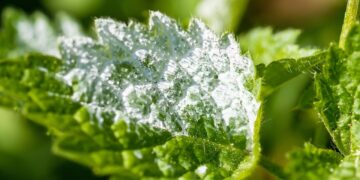
Powdery mildew, blight, rust and fungal infections are just a few examples of the types of diseases that can creep into your garden.
Coming into your garden through water, air and soil, it’s necessary to be proactive in the prevention of their spread, and that’s exactly what you should be doing in your garden.
Choosing Disease-Resistant Plants
By using disease-resistant plants in your garden is a fantastic way to fortify your garden against disease.
When selecting new plants look for ones that are naturally resistant to common plant diseases in your area. Popular varieties include tomatoes, peppers, cucumbers, and roses.
Coming from a holistic approach, planting at the right time, taking into account the sunlight, soil and water requirements of each plant will send them on their way to becoming robust and healthy and far less likely to be susceptible to disease.
Species of Disease-Resistant Plants
With respect to creating a thriving garden, disease-resistant plants are your best allies.
They’re the backbone to achieving a healthy, low-maintenance garden that can withstand the most resilient infections and environmental stress.
At times, plant disease can be devastating to your crops and flower beds. Coming up against a resistant plant species, such as dahlias, sweet basil and calendula will save you a lot of time and headache.
By fending off infections without putting down a lot of chemicals. A well-chosen disease-resistant plant can also stop crop loss and make your garden far more hardy.
This guide to disease-resistant plant species covers a range of ornamental, vegetable, and indoor varieties.
1. Disease-Resistant Vegetables
Disease is a major threat, when growing your own vegetables.
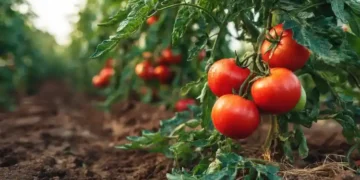
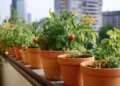
Tomatoes for example, are prone to fusarium and verticillium wilt, but thanks to modern breeding there are now resistant varieties like ‘Celebrity‘, ‘Big Beef‘, and ‘Defiant‘ that give growers a fighting chance.
For tomatoes in humid climates, there are late blight-resistant varieties such as ‘Mountain Magic‘, ‘Iron Lady‘ that will still deliver a bountiful crop.
Lettuce is downy mildew-prone, but ‘Salad Bowl‘, ‘Green Ice‘, are bred to provide the fresh and nutritious leaves we all enjoy, with minimum disease risk.
Cucurbits (cucumbers, squash and melons) are also not immune to disease and powdery mildew is just one of the problems affecting these crops. There is ‘Diva‘ cucumber, ‘Success PM’ squash that stay productive, even in the most humid of environments.
Peppers are at risk of tobacco mosaic virus, but with disease tolerant ‘California Wonder’, ‘Ace‘ that keep this damaging disease from marring their surface.
When looking for disease-resistant cultivars you’re not just getting a better harvest, you’re also cutting down on fungicides, pesticides, and other chemicals.
2. Disease-Resistant Ornamental Flowers
Regarding ornamental plants, fungal and bacterial infections are a major concern, causing unappealing foliage and wilting blooms, but there are a few disease-resistant species that not only outshine others, but also require less maintenance.
Coming in first, are roses which come into their own even in wet and gloomy climates, black spot is kept at bay in some varieties, including ‘Knock Out’, ‘Home Run’, and ‘Carefree Beauty’.
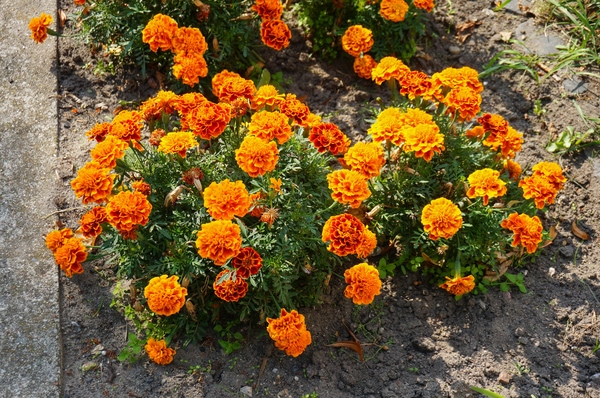
Drought and nematodes don’t stand a chance against marigolds, those plants just sort of repel them and inhibit soil-borne pathogens too, so your other plants don’t get hit by any nasty diseases.
Daylilies are also known to be quite the hardy bunch, and the newer hybrids like ‘Stella de Oro’ just shrug off rust and leaf spots, pretty much unscathed.
Hydrangeas can now be found in mildew-resistant varieties, including ‘Limelight’ and ‘Invincibelle’ which go a long way in keeping blooms healthy and luscious.
Find on Amazon
3. Disease-Resistant Trees and Shrubs
Disease resistance is a top priority, as these investments last for years to come, when planting trees and shrubs.
Dogwoods, Cornus spp., such as the ‘Appalachian Spring‘ and ‘Stellar Pink‘ cultivars are virtually resistant to leaf spot and blight.
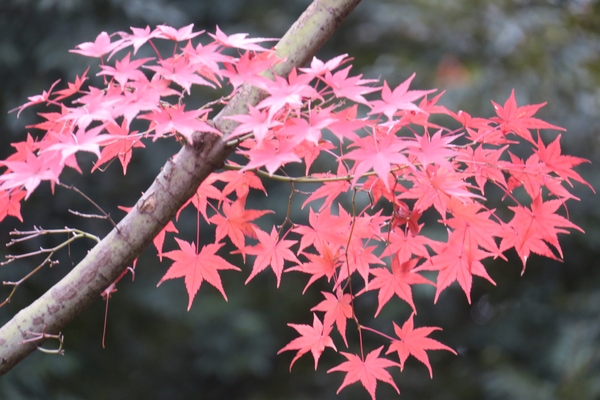
Japanese Maples, Acer palmatum, varieties that have tolerance to verticillium wilt like ‘Bloodgood’ are more resilient to soil-borne pathogens and Holly, Ilex spp., such as ‘Blue Princess’ and ‘China Girl’ keep their glossy leaves with almost no help.
4. Disease-Resistant Indoor Plants
Low light and high humidity can be challenging, and so are bacterial and fungal infections, when growing plants indoors.
Coming across a hardy, disease-resistant species is basically a dream come true in indoor gardening, and there are four that fit the bill.
Snake Plant (Sansevieria), ZZ Plant (Zamioculcas zamiifolia), Pothos (Epipremnum aureum) and Peace Lily (Spathiphyllum).
Snake Plant is highly resistant to root rot and fungal infections, and doesn’t fall apart when not overwatered.
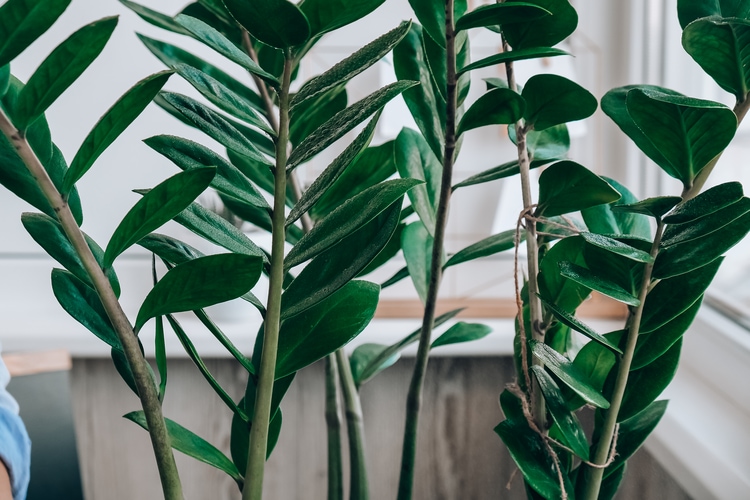
ZZ Plant can tolerate low light and bone dry conditions and kills off most of the usual indoor pests and diseases.
Pothos is nearly impervious to leaf spot and mildewy infections and is especially well-suited for hanging baskets and living walls, and the Peace Lily is basically resistant to anything else when properly cared for.
Find on Amazon
Proper Plant Placement
In planning your garden, you should place lots of sunlight-loving plants in full sun and those that are happier in shade, well out of the way.
You also need to make sure that you give them plenty of space so that they get good airflow.
Good Garden Hygiene
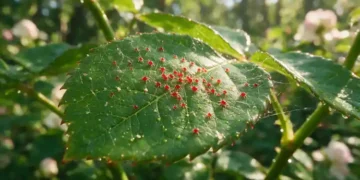
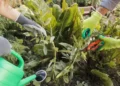
Regularly cleaning up around the garden is also a must. Visually inspecting your plants for signs of disease like yellowing leaves, wilting, or unsightly spots on the leaves.
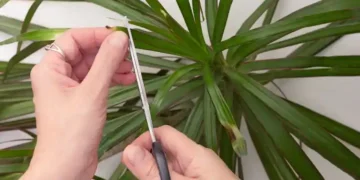
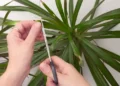
Quickly remove the infected plants or foliage, cutting off the infected area with a clean and sharp tool to prevent the spread of disease, when noticing any signs of disease in your garden.
Regularly clean and disinfect garden tools and wash your hands thoroughly after handling infected plants.
A solution of bleach and water is effective for disinfecting tools, just be sure to rinse the soap and bleach mixture off the tools and out of your hands thoroughly.
Using Organic Pest Control
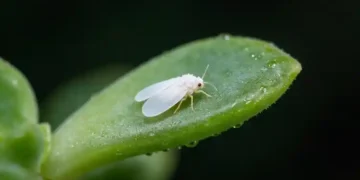
Organic pest control, like many plant diseases, starts with managing pests that can be harmful such as aphids, mites, and caterpillars.
You can achieve this by adding beneficial bugs into your garden, such as ladybugs and lacewings, and using Neem oil or insecticidal soap.
Companion planting is also a good way to repel pests.
Learn more about Eco-friendly Pest Control >
Optimizing Soil Health
The heart of building a resilient garden lies in the soil’s health, healthy soil supplies plants with the strength and resistance they need to fight diseases.
Regularly check the pH levels and nutrient content in your garden and amend as needed.
Learn more about Best Soil Types >
Coming back to the same crops every year, or crop rotation is a good practice, as well. It kills the life cycle of pests and sicknesses and lessens the chance of disease spreading in your garden.
Well-known advice to building a resilient garden is that prevention is better than a cure, so get ahead of the game by following these tips and constructing a garden that is able to withstand any disease, and give you a bountiful harvest year after year.