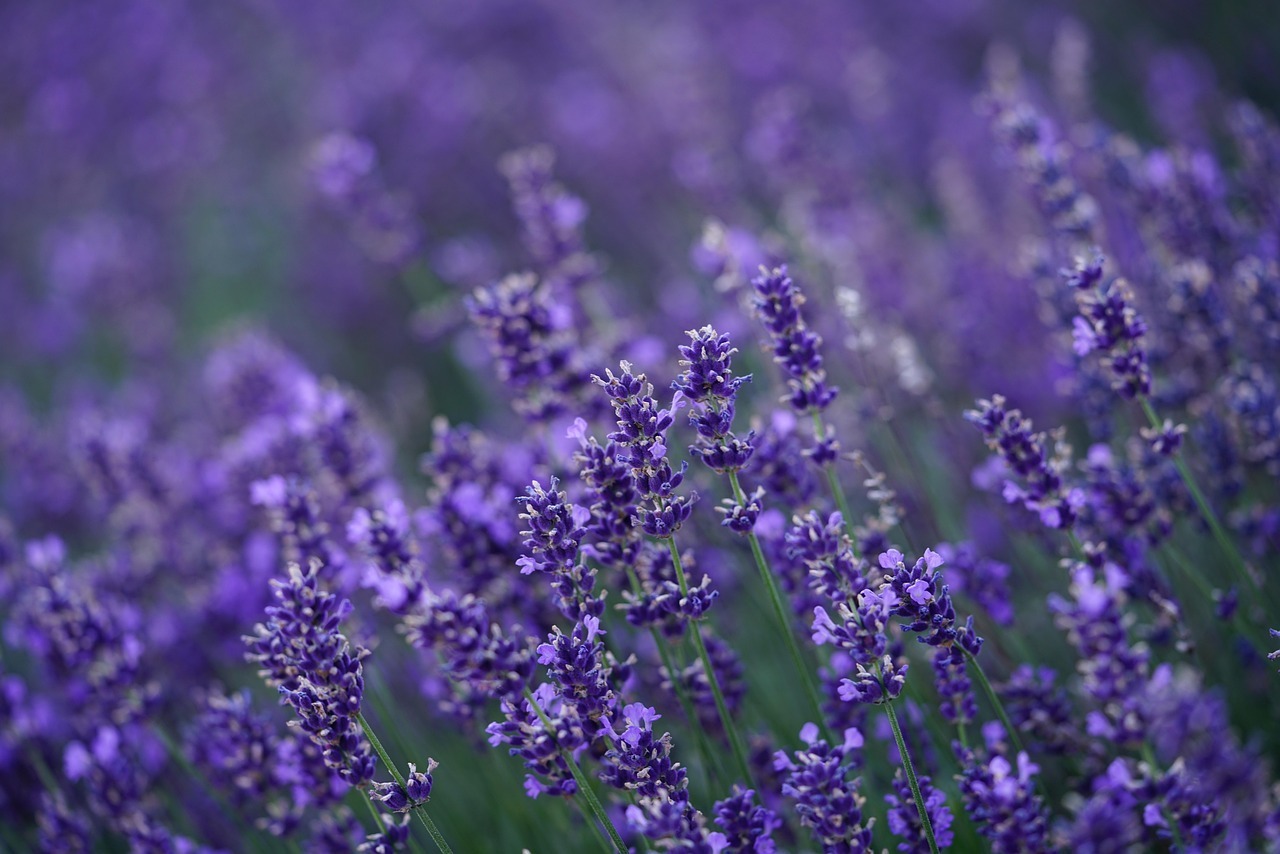
English lavender, Lavandula angustifolia, is the go-to plant, when we’re in need of serenity and elegance. Its stunning purple flowers and soothing fragrance have captured hearts and minds for centuries.
This herb was a staple of ancient civilizations and its calming qualities and fragrance make it a symbol of peace and well-being, something which in recent times has become even more significant in the field of aromatherapy.
In this article we take a journey through history, benefits, cultivation and applications of English lavender. We will show why it continues its timeless allure.
History of English Lavender
Exploring the history of English lavender, one can see its origins date back 2500 years to the Mediterranean regions of Spain, France and Italy.
The name “English” is actually because the plant loves the relatively cool temperatures in England and does so well there, even more so than in hotter regions.
Well-known to the ancient Romans, they used it in their baths and it symbolised purity and relaxation, coming to medieval England where it became a remedy for a whole host of ailments and problems.
Monasteries in particular grew lavender specifically to tap into its healing powers, treating anything from headaches to nervousness.
Fast forward to the sixteenth century and English lavender has become synonymous with its beauty and pleasant aroma.
Botanical Characteristics of English Lavender
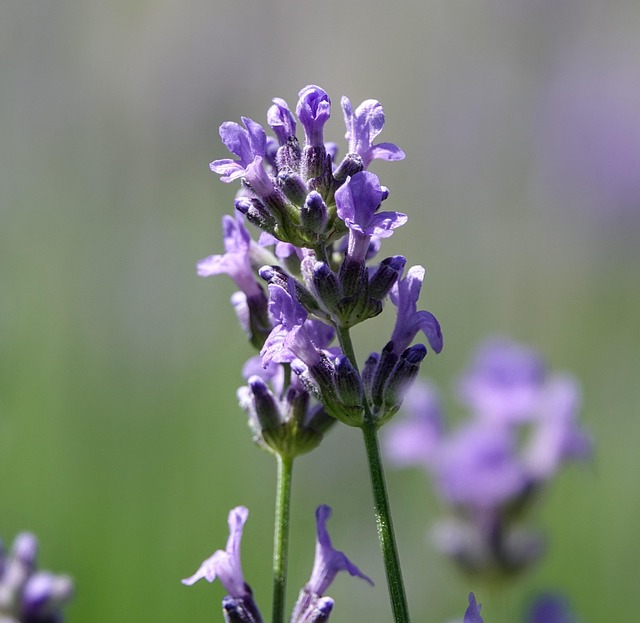
When discussing English lavender, its mesmerizing looks and intoxicating aroma are truly hard to miss.
Speaking of the Lavandula genus, Lavandula angustifolia stands out as a perennial, evergreen shrub that is a member of the mint family,
This species is to be distinguished from Lavandula stoechas, the Spanish lavender and Lavandula x intermedia, the Lavandin.
All of which thrive in hotter and drier conditions, but the English lavender is the hardiest and best suited to cooler or temperate regions.
Coming in at a height of 12 to 24 inches, its silvery grey leaves are covered in vibrant clusters of purple flowers that start to bloom in late spring through to early summer, and send out a sweet, fragrant scent that’s irresistible to bees and butterflies.
There are three popular varieties of English lavender: ‘Munstead‘, ‘Hidcote‘, and ‘Lady‘, each one offering distinct characteristics that maintain the traditional lavender charm.
English lavender, being such a favourite among gardeners, will grow virtually anywhere in the world.
Benefits of English Lavender
Aromatherapy and Mental Well-being
When looking for a natural remedy for stress and anxiety, English lavender is one of the best options. Lavender essential oil is extracted from its blooms has been a staple in aromatherapy and is renowned for its ability to melt away tension and soothe minds.
According to studies, this plant’s fragrance not only calms a frayed nervous system, but also boosts mood, relaxes thoughts and reduces stress symptoms.
English lavender has also shown to be the gateway to an improved night sleep and cure signs of depression.
Health Benefits
We’re not just thinking about its calming properties, it’s also well-known for its health benefits, when we think about English lavender.
Its oil, specifically, is a great disinfectant and anti-inflammatory, and is very effective in treating minor burns, bites and skin irritations.
Coming home from the great outdoors can be a real challenge to our skin, and lavender oil is a great remedy for the bumps and scrapes we get, and will even help with the healing process.
And as a tea, lavender is soothing, and has been found to calm the nerves and even help with indigestion.
Culinary Uses
For English lavender, we’re not just seeing its beauty and fragrance, its flavour is also quite captivating.
Coming from the flowers, lavender is sometimes used in recipes that are as soothing as lavender-infused honey, cakes and cookies, or as meaty as roasted dishes.
Well-known for its potency, though, it can overpower a dish easily.
Popular Species and Cultivars of English Lavender
There are dozens of varieties of English Lavender to choose from, and some of the most popular ones that will give you a reliable and beautiful home garden are listed below.
1. Lavandula angustifolia ‘Hidcote’
Lavandula angustifolia ‘Hidcote’, arguably the most famous of them all, was named after the famous Hidcote Manor Garden in England. Coming in at around 18 inches in height, ‘Hidcote’ produces deep purple-blue flowers that are just about the best for drying.
Well-known for its compact growth, low maintenance, edging ability and being perfect for pots it’s a top choice for all sorts of gardeners. Blooming from late spring to midsummer ‘Hidcote’ won’t disappoint.
2. Lavandula angustifolia ‘Munstead’
Coming from Gertrude Jekyll’s garden at Munstead Wood, Lavandula angustifolia ‘Munstead’ is a reliable early-bloomer that stands 20-24 inches high and produces lilac-blue flowers.
Cottage gardens and mixed borders love it for its sweet, classic fragrance. It often gets a second flush later on.
3. Lavandula angustifolia ‘Royal Velvet’
Dramatic as its name suggests, Lavandula angustifolia ‘Royal Velvet’ sends up long, velvety spikes of purple flowers that are around 4 inches in length and can grow up to 30 inches tall.
It’s stunning in arrangements, but you should be prepared to cut it regularly. Its intense color is retained beautifully when dried.
4. Lavandula angustifolia ‘Melissa Lilac’
A softer take on the traditional English lavender, Lavandula angustifolia ‘Melissa Lilac’ provides lovely pale pinkish-lilac flowers and a delicate, sweet scent that won’t be missed.
The plant is short and compact, a favorite of bees and gives a charming pastel color look to your soft-tinted garden borders.
5. Lavandula angustifolia ‘Vera’
Coming in as one of the most genuine and classic English lavenders, Lavandula angustifolia ‘Vera’ is used for making essential oil and has a very intense and clean fragrance, plus the plant is hardy and lives for years.
Best suited to herbal gardens and oil production, it flowers midsummer. Its traditional medicinal properties have been passed down through the ages.
6. Lavandula angustifolia ‘Little Lottie’
Lastly, ‘Little Lottie’ is an adorable compact variety that is destined for smaller gardens, pots and rockeries.
Reaching a mere 12 inches high, it has pretty pinkish-purple flowers and neatly spreading growth. Awarded the Royal Horticultural Society’s Award of Garden Merit, it won’t be a disappointment.
Growing English Lavender
Think of the sunny, dry and well-drained Mediterranean climate it originated from, and you’ll be well on the way to success, when growing English lavender.
Coming from its birthplace, English lavender needs at least six to eight hours of direct sunlight a day, so pick a spot that gets lots of sunlight and has good air circulation to prevent fungal diseases, and doesn’t have any shaded, damp or wind-trapped areas.
If you live in a part of the world that gets lots of rain, raised beds or containers can be a good idea to sort out drainage issues.
Lavender can handle very poor to moderately fertile soil that has great drainage. Anything too heavy or waterlogged will kill it stone dead.
The perfect soil is essentially sandy or loamy soil with a pH of between 6.5 and 7.5, but if your soil is compacted, adding grit, coarse sand, or small pebbles will sort that out. Don’t use rich compost that keeps everything too moist, either. A dusting of lime can help raise the alkalinity and mimic the natural conditions that lavender loves.
The best time to plant lavender is in the spring or early autumn, so the roots have time to settle in before the extreme temperatures hit.
When planting, dig a hole that’s twice as wide as the root ball, chuck in a handful of grit or gravel into the soil, place the plant so its crown sits level with the soil surface, backfill gently, firm it all in place, and water it in with just enough water.
Space the plants about eighteen to twenty-four inches apart to give them lots of air circulation and won’t overcrowd.
It’s quite drought-tolerant but doesn’t like being overwatered, so you should water it deeply but less often, letting the soil dry out in between, when your lavender has established itself.
Newly planted lavender needs watering once a week for the first year, but after that you only need to water it if the weather has been very dry.
Don’t use high-nitrogen fertilizers because they’ll make lots of leafy growth but fewer flowers. Instead, feed your lavender with a low phosphorus and high potassium fertilizer in the spring.
Pruning is very important for the health and shape of lavender.
It prevents woody stems and encourages lots of compact growth. Prune your lavender after it has flowered, and again in the late summer or early fall. Cut back the flower stalks and about one-third of the soft growth, but don’t cut into any old woody stems. Regular pruning will keep your lavender looking tidy and adds years to its life.
English lavender is hardy in USDA Zones 5 to 9, but freezing, wet winters can cause root rot. To prevent this, make sure the soil drains well, mulch around the base of the plant with gravel or sand, and if you live in very cold areas, cover it with a frost cloth or move it indoors.
You can very easily propagate your lavender from cuttings, and this is generally more reliable than growing from seed. Take cuttings of 3-4 inch semi-ripe stems in late summer, remove the lower leaves and dip the base of the cutting in rooting hormone, then insert it into gritty compost and leave it in a bright, sheltered spot. Once the roots have developed, you can pot on or plant out the following spring.
Common Problems
| Problem | Cause | Solution |
|---|---|---|
| Yellowing leaves | Overwatering or poor drainage | Reduce watering; improve soil drainage |
| Woody, leggy growth | Lack of pruning | Prune annually to maintain shape |
| Poor flowering | Too much nitrogen or shade | Move to sunnier spot; avoid rich soil |
| Root rot | Waterlogged soil | Plant in raised beds or containers with grit |
Pest and Disease Management
Common Pests of English Lavender
Spittlebugs, or froghoppers, will deposit their frothy, white’spit’ on the stems of your lavender, though they don’t do much harm, large infestations can stunt its growth.
The best way to sort them out is to blast them off with a strong jet of water, or pluck them off by hand. Encourage some beneficial insects like ladybugs and lacewings to visit your garden too.
Aphids are the second lot of pests that’ll be causing you grief. They suck the life out of your lavender’s new growth, twisting and distorting the shape, and leaving a sticky mess behind.
Get rid of them by spraying with insecticidal soap or neem oil, and cut off the heavily infested tips of the plant. Good airflow also helps prevent these problems.
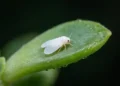
Whiteflies and spider mites turn up in scorching hot and dry conditions, and make the leaves turn yellow.
Well-known solutions to these issues are to give the plant a bit more humidity and a mild soapy solution to wash them away. Regular misting and careful watering will also keep them from coming back.
Common Diseases and How to Prevent Them
Diseases like Root Rot, Fungal Leaf Spot and Botrytis are the main threats to English lavender.
Root Rot is basically caused by too much water and terrible drainage, sends the plant into a decline and ultimately kills it.
You should plant your lavender in well-drained, sandy soil, and don’t overwater it. Raised beds or pots with drainage holes are the way to go.
Fungal Leaf Spot and Botrytis appear in damp, humid conditions, and look like brown or gray patches on the leaves and stems.
Remove any infected bits and don’t water your plants from above.
Make sure they have enough space to breathe too.
Shab (Phomopsis lavandulae) is a fungal disease that blackens the stems and causes the plant to die back, mainly affecting older or weakened plants. Prune out the affected shoots and clean your pruning tools. If the infection has really taken hold you may need to replant the lavender in new soil.
The most effective way to keep English Lavender in top condition is to expose it to full sun, prune it regularly to improve airflow and water it with restraint. Rich, damp soil is something you want to avoid, so dig in a well-draining soil and clear out any wilted flowers and clutter.
With consistent care, English lavender will stay vigorous, aromatic and almost completely pest-free for years.
Applications of English Lavender
Home and Garden
English lavender is not only a stunning addition to any garden but also serves practical uses.
Its fragrant blooms can deter pests, while the foliage offers a natural remedy for moths when placed in closets.
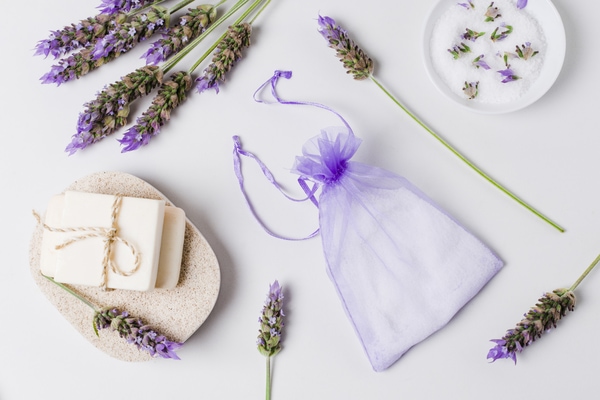
Additionally, dried lavender sachets are popular for freshening clothes and linens.
DIY Projects and Crafts
Crafty enthusiasts often utilize dried lavender in various DIY projects. From homemade candles to potpourri and sachets, the versatility of lavender enhances home décor while adding a fragrant touch.
Furthermore, lavender-infused oils and soaps make for thoughtful and handmade gifts that convey love and care.
In Culinary Arts
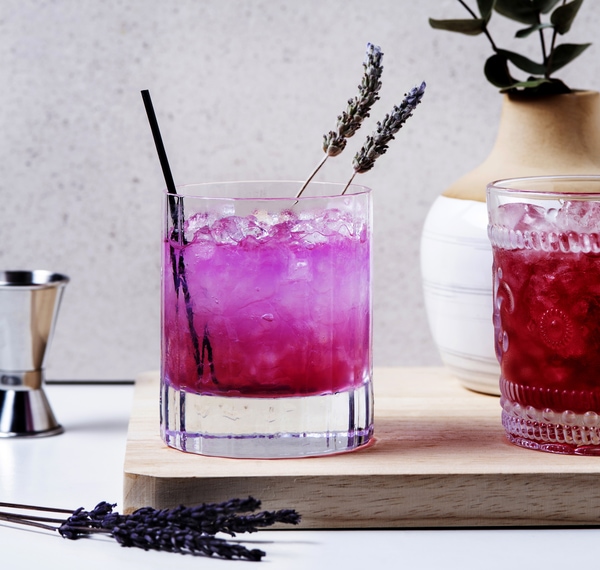
As mentioned earlier, culinary applications of English lavender are vast. Chefs and home cooks alike experiment with lavender to create unique flavors in desserts, herbal teas, and even cocktails.
Lavender syrup has gained popularity as a sweetener for beverages and baked goods, adding a floral twist that’s both unexpected and delightful.
Common Questions about English Lavender
Is English lavender easy to grow?
Yes, English lavender is relatively easy to grow, provided it receives adequate sunlight and well-draining soil. It’s a hardy plant that, once established, requires minimal maintenance and is drought-tolerant.
Can I use lavender essential oil directly on the skin?
While lavender oil has skin-soothing properties, it’s best to dilute it with a carrier oil before applying directly to the skin to avoid irritation.
How can I dry lavender flowers at home?
To dry lavender flowers, bundle them together and hang them upside down in a warm, dry place away from direct sunlight. Once dried, the flowers can be used in various applications, including sachets and crafting.
Summary
If you’re looking for a way to add depth and character to your life, the allure of English lavender is sure to be hard to miss.
Whether it’s the calming effects or its incredible versatility in the kitchen and in crafts, the benefits of English lavender are too enticing to pass over.
Drying lavender for use in recipes, home remedies and wreaths is easy to do, in fact, its soft hue can be found on pillows, bath and bedroom suites.
When cultivating and celebrating this beautiful herb, you’ll find that its presence quietly creates grace and grace, soothing serenity into the spaces of existence.