
You’ll often be mesmerised by its combination of calmness and curiosity, when you come across a bonsai tree.
Well-known for their stories of patience, creativity and human connection, these miniature trees are sure to have a place in the hearts of anyone, whether you’re a complete beginner or an experienced green-thumbed individual.
At Good Garden Ideas, we think that gardening is not only about nurturing your plants but also about sparking your imagination, and bonsai trees do that in a most striking way.
Inviting you to slow down, observe, and breathe in the beauty they create, from the comfort of your windowsill or patio. As a result of the numerous species that bonsai tree offer, deciding where to start can be tough, between hardy Ficus, fragrant Juniper and Japanese Maples that transform into blazing reds in autumn.
Do not be worried, we’ll guide you through our top 10 bonsai trees that are basically perfect for anyone. From novice to seasoned enthusiasts, these trees are forgiving of missed watering, and throw striking displays that will encourage careful nurturing, and add some welcome beauty to your garden.
So, all you need to do is grab your pruning shears, sit back, relax, and join us in the world of bonsai and we will show you where to start, and will give you the confidence and inspiration that you need to start growing your own living masterpiece.
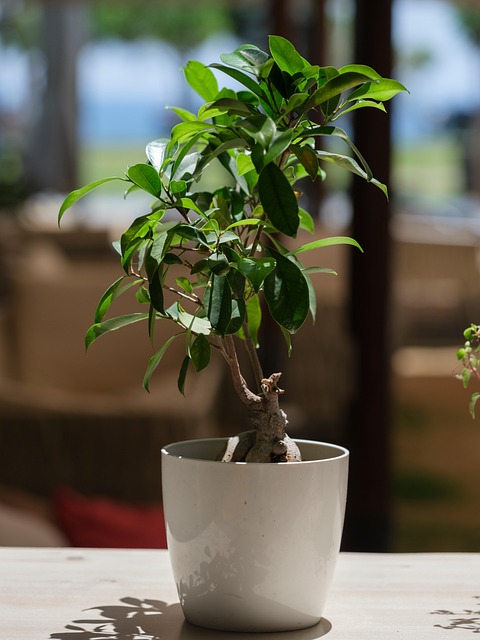
1. Ficus Microcarpa (Chinese Banyan)
The Ficus microcarpa is an excellent option, when choosing a bonsai that’s both stunning and low-maintenance.
Known as the Chinese Banyan, this bonsai superstar is a favorite among growers. Its glossy green leaves, sturdy trunk and the mesmerizing aerial roots that seem to dance above the soil will add an instant tropical touch to any room.
We love Ficus microcarpa at Good Garden Ideas, not only is it aesthetically pleasing, and beautiful; the balance it strikes between gentle beauty and strength is just irresistible.
Coming back to it won’t cause any problems if you miss a water cycle.
We’ve all done that!
Caring for Your Ficus Microcarpa
Well-known for their high demands on light, your Ficus will thrive in bright, indirect sunlight. Preferably a sunny windowsill that gets a couple of hours of gentle morning light is perfect. It can manage lower light but will grow more slowly and have fewer leaves.
Watering is also key, you want to give it a good soaking when the top inch of soil feels dry, make sure the pot isn’t too wet though, as this will kill the roots, and a bit of extra humidity really perks it up, either by misting it occasionally, or placing the pot on a saucer of water.
Give your Ficus a balanced liquid feed every two to four weeks during the growing season and give it a haircut every now and then to shape its top and encourage new growth. It’s highly resilient and can bounce back from anything, and won’t be afraid of being experimented with.
Common Questions
Can I grow Ficus microcarpa outdoors?
Yes, if you live in a warm, frost-free climate. Otherwise, treat it as an indoor bonsai.
Why is my Ficus dropping leaves?
A few leaves dropping after a move or change in light is normal — it’s just adjusting. Keep conditions stable, and it’ll recover quickly.
Do I need to repot it often?
Every two to three years is perfect to refresh the soil and give roots room to breathe.
2. Juniperus Procumbens (Shimpaku Juniper)
If you’ve ever admired a bonsai that looks like it could have been plucked straight from a misty mountainside — rugged trunk, windswept branches, and that perfect balance of wildness and grace — chances are you were looking at a Juniperus procumbens, better known as the Shimpaku Juniper. This hardy and resilient tree is at the top of the bonsai world and it’s no wonder it’s so well-loved.
Coming from the Japanese word “Shimpaku” meaning “strong pine” and “Juniper” being a family of conifers, this tree is not only tough but also elegant, and is essentially bursting with personality.
At Good Garden Ideas, we label the Shimpaku Juniper as the “adventurer” of the bonsai family. It’s able to withstand the elements, craves sunlight on its needles and looks like a perfectly proportioned miniature version of a very old tree.
Beginners and seasoned bonsai enthusiasts alike will love learning from this tree, which will never stop teaching them something new.
Caring for Your Shimpaku Juniper
In relation to caring for a Shimpaku Juniper, you’ll want to think of it as an outdoor bonsai tree, requiring lots of sunlight and fresh air, indoor space won’t cut it for long. A sunny patio, balcony or garden table is basically the only option to ensure at least four to six hours of direct sunlight each day.
When watering, remember that Shimpaku Junipers hate waterlogged soil, but don’t want to dry out either. Water when the top layer of soil feels dry to the touch, allowing the water to run right through the drainage holes, and during scorching summer days, you might need to water every day, but in the cooler months once a week will be sufficient.
They need a lot of space too, you shouldn’t overcrowd them with other plants, and a good rule of thumb is to feed them a balanced bonsai fertilizer every two to four weeks from spring to autumn, but don’t feed them anything during the winter when they’re dormant.
One of the joys of growing a Shimpaku Juniper is pruning.
You can pinch back new growth to keep its shape and wire the branches to create that classic windswept look, just be patient.
It’s a delicate process.
Common Questions
Can I keep my Shimpaku Juniper indoors?
Not for long! These trees are happiest outdoors. They need the changing light, air, and temperature of the seasons to stay healthy.
Why is my juniper turning brown?
Brown foliage can be a sign of overwatering, poor drainage, or lack of sunlight. Check your watering routine and make sure your tree is getting plenty of light and airflow.
Does my Shimpaku Juniper need winter protection?
If you live somewhere with harsh winters, yes. Protect it from freezing winds by moving it to a sheltered area or placing it in an unheated garage or greenhouse where temperatures stay above freezing.
How often should I repot it?
Every three to five years is usually perfect. Spring is the best time to repot, just before the new growth begins.
The Shimpaku Juniper is more than just a bonsai — it’s a living work of art that evolves with you. With a little care and attention, it will reward you with years (and possibly decades!) of beauty, resilience, and Zen-like calm.
3. Pinus Thunbergii (Black Pine)
As for the world of bonsai, Pinus thunbergii or Japanese Black Pine is the undisputed rockstar of the group. Coming out of the Far East, its rugged bark, powerful shape and inky dark green needles are guaranteed to turn heads, and leave them mesmerized.
At Good Garden Ideas, we’re fans of the Japanese Black Pine, and see it as a tree that gives back to those who put in the hard work.
Not as easy-going as a Ficus or a Juniper, it’s a species that requires dedication, yet with a bit of care, can be the pride of your bonsai collection. It’s deeply ingrained in Japanese bonsai tradition and to us, it’s not just a tree, it symbolises tenacity, timelessness, and the calming softness of nature.
Caring for Your Japanese Black Pine
In the case of the Japanese Black Pine (Pinus thunbergii) you’ll want to place it outside in full sunlight, where it will love it, and lots of it. If you can find a spot that’s sheltered from scorching gusts that’s perfect and aim for at least six hours of direct sunlight a day
Watering should be consistent, but the roots can’t stand being waterlogged.
Check the soil and give the tree a good soaking when it feels dry to the touch, letting excess water run off.
During heatwaves, you may need to water every day, and in milder weather, once every two or three days should be fine.
Japanese Black Pine doesn’t like to be overfertilised. A balanced bonsai fertiliser from spring to autumn will be fine, and then a low-nitrogen feed will get the tree ready for its winter slumber.
Pruning and pinching are basically the two main things you’ll need to do to keep your pine healthy and looking its best.
Come autumn, you’ll want to remove any old needles to let in the light and encourage brand-new growth. Pinching back the new candles in spring stops the tree getting too leggy and gives it that classic layered look.
Common Questions
Can I keep my Japanese Black Pine indoors?
Unfortunately, no. This bonsai is happiest outdoors where it can feel the changing seasons. Indoor air is too still and dry for it to thrive.
Why are the needles turning yellow or brown?
That’s often a sign of overwatering or poor drainage. Make sure your soil isn’t compacted and that your pot has proper drainage holes. Occasional yellowing of old needles, however, is completely normal as the tree renews its growth.
When should I repot it?
Every two to three years, preferably in early spring before the buds start swelling. Always use a well-draining soil mix designed for pines.
Is wiring difficult?
Not at all — it just takes practice. The Black Pine’s branches are flexible when young, so it’s a great tree for learning shaping techniques.
The Japanese Black Pine is a bonsai of bold beauty and enduring spirit. With care and time, it becomes more than just a plant — it’s a living sculpture that captures the essence of nature’s strength and serenity.
4. Acer Palmatum (Japanese Maple)
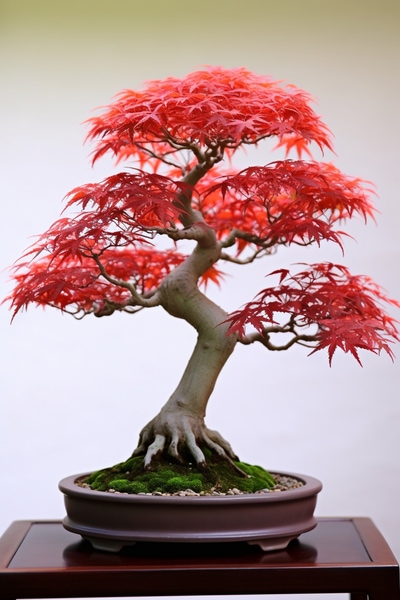
In the case of the changing of the seasons, the Japanese Maple, or Acer palmatum, is the epitome of elegance and beauty. Its delicate, lacy leaves and vibrant seasonal colors from fresh greens to fiery autumn reds and golds have been cherished for centuries, and are now one of the defining characteristics of a well-known bonsai and garden tree.
The Japanese Maple seems to exude quiet confidence when it’s not receiving attention. Its intricate branches twist softly, sending delicate whirlwind movements through it.
We think this Japanese Maple is absolutely pure gardening joy. Its elegance, expressiveness and reward for time invested in nurturing make us see this tree as an ideal choice, both for a beginner who’s searching for their first bonsai, and for the seasoned gardener looking to grow something more intricate and beautiful.
The Japanese Maple comes in so many different types.
Take the bright red Deshojo, the golden-green Katsura and the coral-pink Seigen for instance.
Each one has its own spirit and yet, they all share the same lovely framework and kaleidoscopic change of color that has made them so much-loved.
As a bonsai, the Japanese Maple looks stunning in any size, from compact tabletops to massive tree-like shapes that take up lots of space.
Its minute branches, and beautiful leaves are perfect for artistic arrangements and its annual colour changes give it a life of its own, turning it into a living work of art.
Caring for Your Acer Palmatum
Your Acer Palmatum will love bright, indirect sunlight, and morning light is right up its alley, but it’s wise to shield it from the intense heat of the afternoon, especially in scorching hot climates. When placing a Japanese Maple outside a half-shaded patio or balcony will be perfect for it to bask in.
Watering is a balancing act. Japanese Maples want consistent moisture but won’t tolerate waterlogged soil, so check the soil every day in the warm months and give it a drink when the top inch feels dry. Summer humidity will also help prevent the leaves from drying out.
Feed your tree with a balanced, slow-release bonsai fertilizer every two weeks from spring through mid-summer, and stop feeding in late summer so it can naturally prepare for the autumn and winter rest.
Pruning is also an essential part of caring for your Japanese Maple, and should be done in late winter or early spring, before the new growth begins. Structural pruning should be done gently and with clean, sharp tools to prevent the tree from “bleeding” sap.
If you live in a colder climate, you’ll want to shield your Acer palmatum from hard freezes, and can move it to a sheltered spot or a cold frame, once the leaves have fallen.
Common Questions
Can I grow a Japanese Maple indoors?
Not really. These trees need the changing light and temperature of the seasons to thrive. They’re best kept outdoors where they can breathe fresh air and experience natural cycles.
Why are the leaf edges turning brown?
That’s usually a sign of too much sun or low humidity. Move your tree to a spot with partial shade and consider misting the leaves on hot, dry days.
How often should I repot it?
Every two to three years for younger trees and about every four years for older ones. Spring is the best time, just before buds open. Use a well-draining soil mix with plenty of organic matter.
Do I need to wire my Japanese Maple?
You can, but it’s optional! Many enthusiasts prefer pruning to shape their tree naturally. If you do wire, do it carefully in late spring and remove the wire before it cuts into the bark.
The Acer palmatum is a true showstopper — graceful, colorful, and endlessly expressive. With a bit of care and attention, it rewards you year after year with its shifting beauty, reminding you that in gardening, patience always blooms into art.
5. Serissa Foetida (Tree of a Thousand Stars)
If you’re looking for a bonsai that’s guaranteed to put a smile on your face, the Serissa foetida, or the Tree of a Thousand Stars is the one.
Coming from its name, it’s clear that its beautiful small white flowers that are reflected by its lustrous green leaves have earned it this endearing label.
Well-known for being one of the more high-maintenance bonsais, the Serissa is what we at Good Garden Ideas call the drama queen, and we adore it.
At times fussy about changes in lighting, water, and even a slight breeze, it’s true that Serissa‘s behaviour can be somewhat exasperating. But if you learn its patterns, you’ll be rewarded with an awe-inspiring show of flowers that bloom for practically all of the year, and we would say it’s worth the effort.
Caring for Your Serissa Foetida
The Serissa is looking for bright, indirect light. A sunny windowsill or a conservatory is basically ideal. If you live in a place with a warm, frost-free climate you could also grow it outside. But don’t let it sit in the blistering midday sun, as it can burn the leaves.
Consistency is also key to keeping your Serissa happy, it likes its soil to be consistently moist but not waterlogged. So water it thoroughly when the top layer of soil feels dry and make sure the pot has good drainage. Overwatering will kill off the roots and underwatering will make the leaves fall off at an alarming rate.
The Serissa loves a bit of humidity too, coming from a dry home, so placing it on a humidity tray or giving it a very light sprinkle every few days will be just what it needs.
Feed your Serissa every two to three weeks between spring and autumn with a mild, liquid feed and regularly prune it to shape it up, and encourage brand new blooms.
The tiny leaves respond really well to light pruning and the more it gets trimmed the more flowers it will produce.
Common Questions
Why is my Serissa dropping its leaves?
Don’t panic! Leaf drop is the Serissa’s way of saying something has changed — maybe it’s been moved, overwatered, or exposed to a draft. Once conditions stabilize, it usually bounces back beautifully.
Can I grow Serissa outdoors?
Yes, but only if you live in a mild, frost-free climate. Serissa foetida is sensitive to cold and should be brought indoors before temperatures drop below 50°F (10°C).
Does the Serissa really have an odor?
The name foetida means “smelly,” and yes — the leaves and roots give off a slightly funky scent when bruised or pruned. It’s not terrible, just… distinctive! Most growers find it easy to overlook, given how pretty the flowers are.
How often should I repot it?
Every two years is ideal, preferably in spring. Use a well-draining bonsai mix to keep the roots healthy and prevent waterlogging.
The Tree of a Thousand Stars might test your patience now and then, but it will also steal your heart. With its sparkling flowers, glossy foliage, and charming personality, Serissa foetida proves that sometimes, the most dazzling beauty comes with just a little bit of attitude.
6. Zelkova Serrata (Japanese Zelkova)
Resembling a miniature replica of a grand old shade tree, the Zelkova serrata, or Japanese Zelkova, is the bonsai that’s hard to pass up.
Coming from its elegant, smooth grey bark and delicate, serrated leaves that blaze through autumn in a kaleidoscope of shades of gold and red, it’s been dubbed the “little cousin” of the Japanese elm, although, many say it’s the more refined of the two.
At Good Garden Ideas, we love the Japanese Zelkova for its soothingly serene aesthetic and its quiet strength.
It’s refined, resilient, and, most of all, captivating. Even its simplest form will interest beginners and won’t bore seasoned growers.
And whether it’s shaped to be a sweeping broom or a compact upright, it exudes balance, harmony and is sure to be the centerpiece in any bonsai collection.
Caring for Your Japanese Zelkova
When Zelkova serrata is happy, it’s basking in the sun and soaking up the fresh air, and does its best in full sun to partial shade, but a bit of protection from the strongest midday summer sun is all it needs to stop scorching its leaves.
Coming into the winter, it’s a deciduous tree, dropping all its leaves. Don’t worry, that’s perfectly normal the bare branches in the winter are actually really striking.
Zelkova prefers even moisture, so you should water it thoroughly when the top of the soil feels dry, and make sure the excess water has somewhere to go, but won’t stand around in the roots. It doesn’t like being parched, nor does it like being waterlogged. Regularly watered and it’ll be as happy as a clam.
Feed your Zelkova every two to four weeks in the spring through to autumn with a balanced bonsai food and skip feeding it altogether in the winter when growth has basically slowed down.
Pruning is what transforms the Zelkova into a beautiful bonsai, it’s really responding well to regular trimming, which develops the intricate network of fine twigs that gives the tree its “miniature forest” look.
Well-known light pruning can be done throughout the growing season to tidy things up, but more serious structural pruning is best done in the early spring, right before the buds open.
Common Questions
Can I grow my Zelkova serrata indoors?
Not ideal! The Japanese Zelkova needs seasonal changes — sunlight, wind, and cooler temperatures — to stay strong and vibrant. It’s best kept outdoors, though it can be brought into a cool sunroom or greenhouse during extreme weather.
Why is my Zelkova dropping leaves in summer?
If it’s not autumn yet, leaf drop usually means your tree is stressed — often from under- or overwatering, or too much direct heat. Check your watering schedule and consider moving it to a slightly shadier spot during heatwaves.
Does it need winter protection?
Yes, if you live in an area with harsh winters. Once the leaves have fallen, move your Zelkova to a sheltered, frost-free location such as an unheated garage, shed, or cold frame. Keep the soil slightly damp — never completely dry — even while it’s dormant.
How often should I repot it?
Every two to three years for younger trees, and every four years for mature ones. Repot in early spring before new growth begins, using a well-draining bonsai soil mix to encourage healthy roots.
Is wiring difficult with a Zelkova?
Not at all! Its flexible young branches make wiring quite manageable. Just keep an eye on the wire so it doesn’t cut into the bark as the tree grows.
The Japanese Zelkova is a bonsai classic — graceful, tough, and full of quiet personality. With a little care and attention, it will reward you with decades of beauty, transforming through the seasons like a living, breathing work of art. It’s the kind of tree that reminds us why bonsai isn’t just gardening — it’s storytelling, in the most natural form.
7.
In relation to a bonsai that’s got it all, personality, year-round interest and loads of charm, the Sageretia theezans, known as the Sweet Plum, is the way to go.
Coming from its glossy, egg-shaped leaves, its naturally curved trunk and reddish shoots, this little gem has won the hearts of bonsai enthusiasts around the world, and is easy to see why. It’s refined, without being high maintenance, decorative, yet unpretentious, basically a tree that can effortlessly slide into any bonsai collection.
At Good Garden Ideas, we see the Sweet Plum as a good friend.
Fun to be around, occasionally stunning, yet always lovely, coming from its origins in China and South East Asia, where it’s valued for its elegant form, tiny bunches of white flowers that may turn into small black berries, and smooth, shedding bark that shows off shades of brown and cream.
Caring for Your Sageretia Theezans
Also known as Sageretia, its adaptability is one of its biggest charms, when growing the Sweet Plum.
Coming from a tropical background, this plant is happy to be grown indoors or out, provided it’s in a bright and sheltered spot, and near a window is perfect for soaking up the indirect sunlight when inside.
Outdoors it wants a bit of morning sun and then light afternoon shade, too much direct heat will burn the leaves and not enough won’t give it the energy it needs to grow well.
The Sageretia has a strong message when it comes to watering: stay consistent, don’t let the soil dry out. Check the top of the soil every now and then, and give it a good soaking when it feels slightly dry to the touch, plus make sure the pot has proper drainage so the roots don’t rot. Coming from one extreme to the other, either too much or too little water is also something it doesn’t like, and will result in weak and lanky growth.
Humidity is also something that the Sweet Plum appreciates, if you’re keeping it at home, throwing a humidity tray in the bottom of the pot or spraying the leaves regularly will sort out any problems with dry, crispy leaves and gives the plant that gorgeous, luscious look.
Feed your Sweet Plum with a balanced, water-soluble fertilizer every two weeks during the growing season, spring through autumn, but slack off a bit in the winter when the growth slows down. Regular pruning will keep it looking compact and elegant, nip back any new growth after four to six leaves have developed, leaving two, to encourage lots of branching.
Common Questions
Can I grow my Sageretia outdoors year-round?
If you live in a warm, frost-free region, absolutely. However, the Sweet Plum is not frost-tolerant, so in cooler climates it should be brought indoors before temperatures drop below 50°F (10°C).
Why are the leaves dropping off my Sweet Plum?
Leaf drop can happen for several reasons, but the most common culprits are inconsistent watering, low humidity, or sudden changes in light or temperature. Try to keep its environment stable — once the tree adjusts, new leaves usually appear quickly.
Does the Sweet Plum flower or fruit?
Yes! In the right conditions, your Sageretia may reward you with small white flowers, followed by tiny dark-purple berries. It doesn’t happen all the time, but when it does, it’s a lovely bonus.
How often should I repot it?
Every two to three years is perfect. Repot in early spring, just before the growing season begins. Use a well-draining bonsai soil mix and trim the roots lightly to encourage healthy new growth.
Can I wire and shape my Sageretia?
Definitely — the Sweet Plum responds well to wiring. Its young branches are flexible, making it easy to create beautiful curves and movement. Just remember to check the wire regularly and remove it before it cuts into the bark.
The Sageretia theezans is a true gem — elegant, adaptable, and full of life. With a little attention and care, it rewards you with lush foliage, intriguing textures, and the occasional surprise bloom or berry.
Whether you’re a beginner discovering the joy of bonsai or an experienced grower looking for a tree with charm and personality, the Sweet Plum will bring beauty and tranquility to your space for years to come.
8. Carmona Retusa (Fukien Tea)
As for a bonsai that packs a punch in terms of its visual appeal, the Carmona retusa, or Fukien Tea Tree, is definitely a great option.
Its small, shiny leaves and tiny white flowers are reminiscent of a miniature tropical garden, and the occasional red berries add an exciting pop of color. Its tiny size and elegant, refined appearance add to its lovable appearance.
Here at Good Garden Ideas, we’re serious about the Fukien Tea Tree because of the way it seems to grow right before our eyes.
Its beautiful sprouts, flowering and fruitful surprise are things of beauty, and its constant changes are simply stunning.
Coming from Southeast Asia, this bonsai thrives in warm, humid climates which is why we love it for indoor growers who yearn for a full year-round green companion.
Caring for Your Carmona Retusa
When it comes to the Fukien Tea, an indoor bonsai that’s also happy to enjoy a stint in the great outdoors, it’s best to place it in a bright spot with lots of indirect sunlight. A south-facing window or a sunny conservatory is basically the perfect home for this tree. If the leaves are looking leggy and dull, it’s a sign that it wants even more light.
Balancing watering is the key to the Fukien Tea’s happiness and as such, you want the soil to stay moist but never waterlogged.
Check the top layer of soil to determine the right time to water, and be sure that the pot has got good drainage to prevent root rot.
Coming from humid regions, the Fukien Tea adores a bit of extra moisture in the air, so misting its leaves every few days or placing it on a humidity tray will really perk it up.
Feeding your Fukien Tea is relatively simple. Every two weeks during the spring and summer months, use a balanced, water-soluble fertilizer to feed your tree and then reduce to once a month in the autumn and winter.
Since Fukien Tea grows all year round, you’ll want to keep an eye out for any wayward growth, prune it regularly to keep the shape neat and encourage the tree to produce fuller foliage, and snip back new shoots once a few leaves have formed to keep it compact and rounded.
Common Questions
Why is my Fukien Tea dropping leaves?
This bonsai can be sensitive to change. If you’ve recently moved it, adjusted watering, or shifted lighting conditions, it may respond with a bit of leaf drop. Don’t worry — once it adjusts, new leaves usually appear quickly.
Does it really flower indoors?
Yes! With enough light and consistent care, the Fukien Tea produces tiny white flowers several times a year. They often develop into small red or black berries, adding even more charm.
Can I keep my Carmona outdoors?
Only in warm, tropical climates. If temperatures drop below 60°F (15°C), bring it indoors to protect it from cold stress.
How often should I repot it?
Every two to three years is best, ideally in spring. Use a well-draining bonsai mix and trim the roots lightly to encourage healthy new growth.
The Fukien Tea Tree might have a reputation for being a little finicky, but in truth, it just likes consistency — a bit like the rest of us. Give it stable conditions, gentle care, and plenty of love, and it will reward you with glossy leaves, delicate blossoms, and a peaceful presence that makes any space feel a little more alive.
9. Bougainvillea Spectabilis
A vibrant explosion of magenta, orange, and purple flowers pouring over a wall or trellis is likely to be a Bougainvillea spectabilis in full bloom. Otherwise known as simply bougainvillea, when you walk through a sun-kissed garden, its papery, jewel-toned bracts or “petals” and its free-spirited growth make it the life of the garden party, and its bold, carefree nature is absolutely captivating.
At Good Garden Ideas, we can’t get enough of Bougainvillea‘s personality and the vibrant celebration it brings to the garden.
The only part that may take a bit of getting to know, is its propensity to be quite wild. Whether grown as a bonsai, a potted patio showpiece, or a climbing garden stunner, Bougainvillea spectabilis will reward its caretaker with months of dazzling color and tropical flair.
Hailing from South America, the Bougainvillea spectabilis is a total sun worshipper. Its colours come from its bracts not flowers, these vibrant bracts encase delicate white flowers and, when in full bloom, will stop you dead in your tracks.
Coming from a hardy background, Bougainvillea isn’t fussy about anything and can stand up to drought, rubbish soil and blistering heat making it basically the perfect choice for people who don’t want to spend all day mucking around with their plants.
Caring for Your Bougainvillea
When it comes to Bougainvillea, the amount of sunlight it gets is basically the key to its flowering, and six hours of direct sunlight a day is a good target whether you’re growing it in the great outdoors or in a conservatory. If it doesn’t get enough light, it’ll put its energy towards producing leaves instead of flowers.
Watering Bougainvillea is a bit of a “soak and dry” routine. Water it thoroughly and then let the top few inches of soil dry out before watering again. Coming back too soon will turn the leaves yellow and make the plant produce fewer blooms, and basically, the plant hates being waterlogged. During the winter months, cut back on the water, letting it rest.
You’ll need a soil mix that’s well-draining, something that’s designed for succulents or cacti works well, and avoid those heavy, soggy potting soils, as they can be lethal to Bougainvillea. The roots are quite delicate, and don’t like to be disturbed so don’t rush to repot, every three to four years is plenty.
A balanced, slow-release feed is just what Bougainvillea needs during the growing season, spring through autumn. Adding a bit of potassium will give the plant a boost to flowering, so look out for a fertilizer that’s specifically designed to encourage blooms.
Pruning is a regular necessity for keeping your Bougainvillea tidy and encouraging new growth. Prune lightly after each flowering flush, cutting back any leggy or dead branches, and don’t worry, this plant responds beautifully to pruning and will knock out even more vibrant blooms next time around.
Common Questions
Why isn’t my Bougainvillea blooming?
This is usually due to too little sunlight or too much water. Bougainvillea thrives on bright light and slightly dry conditions. Try moving it to a sunnier spot and easing off the watering can.
Can I grow Bougainvillea indoors?
Yes — but it needs lots of light. A sunroom or bright south-facing window is ideal. Just keep in mind that it’s happiest outdoors when temperatures allow, so consider moving it outside during warm months.
Does it lose its leaves in winter?
If temperatures drop or light levels fall, Bougainvillea may shed its leaves and go dormant. This is normal! Keep it in a warm, bright spot, reduce watering, and new growth will appear in spring.
Is Bougainvillea hard to prune?
Not at all. In fact, it loves a good trim. Just watch out for thorns — gloves are your best friend here!
Colorful, resilient, and undeniably cheerful, the Bougainvillea spectabilis is proof that gardening can be both easy and spectacular. With the right mix of sunshine, patience, and a touch of pruning, you’ll enjoy a show of color so vibrant it’ll make every day feel like summer.
10. Malus Domestica (Apple Tree)
Regarding quintessential “home and harvest”, the apple tree, Malus domestica, stands out. Whether it’s a sprawling, full-sized orchard tree or a compact, bonsai on your patio, there’s something truly magical about growing your own apples. Those succulent, crunchy fruits aren’t just delicious, but they’re also symbols of abundance, patience and a sweet reward of hard work.
At Good Garden Ideas, we love apple trees for their timelessness, fragrance and malleability. A joy through every phase of the year, apple trees sprout vibrant spring flowers, lush green leaves and their signature, glowing fruits in autumn and their full aesthetic journey is something to be marvelled at.
Considering their origins over thousands of years, the Malus domestica has approximately 7,000 registered varieties.
Ranging from the tart Granny Smith to the sweet Fuji, and apples in general satisfy our senses and tastes. Even the smallest dwarf and patio apple trees can produce mouthwatering, full-sized fruits making apple cultivation accessible to anyone.
Apple trees, are deciduous, dropping their leaves in the winter. It is good to know, when Spring comes they explode into masses of white and pink blossoms, abuzz with bees and announcing the start of a brand-new growing season.
Caring for Your Malus Domestica
When planting an apple tree you’ll want it to get lots of sunlight. Ideally six hours a day, and it needs a sheltered spot with good airflow to prevent fungal problems,
Consistency in watering is also key, newly planted trees need regular watering, especially for the first two years, but once they’re established they can tolerate drought.
When it does need watering, make sure to soak the top few inches of soil and encourage deep root systems to grow by doing so. Container grown or bonsai apples require even more frequent watering as their containers dry out very quickly.
For nutrition, a balanced fertilizer at the beginning of spring when the new growth starts is great, followed by another in midsummer to give a boost to the fruit.
Mulching around the base of your tree with compost or well-rotted manure will not only lock in moisture, but also sort out the soil health.
Pruning is one of the most pleasing parts of caring for apple trees.
Come winter time, take out any dead, crossing branches to open up the structure and let in the sunlight. Summer sees a light trim on new shoots to give the tree its shape, and steer energy towards the apples themselves.
Common Questions
Can I grow an apple tree in a pot?
Absolutely! Dwarf varieties are perfect for containers and even small patios. Just make sure your pot is large enough (at least 45–50 cm across) and that it drains well.
Do I need two trees for pollination?
Most apple trees need a pollination partner — another variety that flowers at the same time. Some modern cultivars are self-fertile, but having two nearby will always improve fruit yield.
Why isn’t my apple tree producing fruit?
Don’t worry — patience is key! Young trees may take a few years to mature. Lack of sunlight, poor pruning, or insufficient pollination can also be factors. Once it’s settled in, your tree will reward you.
Can I turn my apple tree into a bonsai?
Yes! Apple bonsai are stunning — tiny trees with full-sized blossoms and miniature fruit. Just remember they need the same sunlight, pruning, and feeding care as their larger cousins.
Growing a Malus domestica is more than just gardening — it’s a connection to nature’s rhythm. From blossom to harvest, every stage feels like a celebration. With a little love and attention, you’ll soon be biting into the sweetest apple of all: the one you grew yourself.
Summary
In relation to bonsai, patience, hard work and genuine care are basically the keys to success.
For those just starting out or looking to improve their skills, the trees I listed are an excellent choice, providing a diverse range of styles and growth patterns.
The real secret to successful bonsai isn’t just about picking the right tree, but in getting to know its individual requirements.