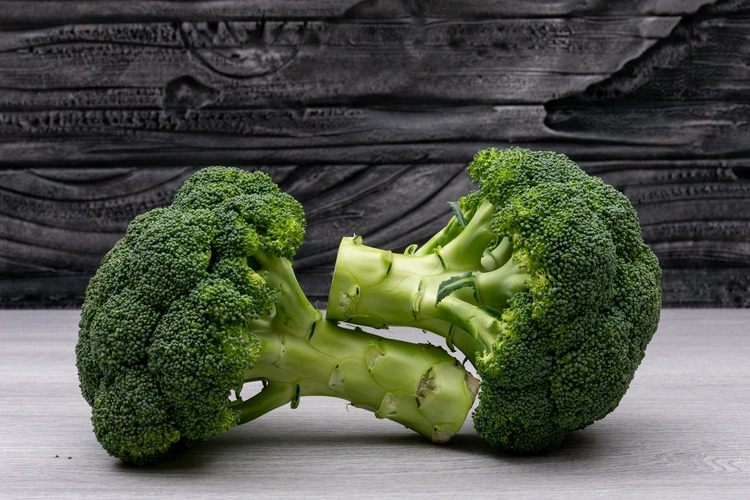
Growing broccoli is so damn satisfying. Maybe it’s those tight emerald green heads forming in the vegetable patch, or maybe it’s the knowledge that you are harvesting one of the healthiest vegetables you can grow at home.
Broccoli, for whatever reason, has become a favorite of gardeners who want to grow nutritious, tasty crops over much of the growing season.
But broccoli also has a bit of a reputation for being finicky. A lot of gardeners have been disappointed when plants bolt early, grow tiny heads, or are a buffet for hungry caterpillars.
The good news is broccoli is not difficult once you know what it needs. In fact, with a little planning and care, you can enjoy bountiful harvests year after year.
If you’ve ever wanted to grow bigger, tastier, healthier broccoli here’s all you need to know.
Broccoli Why Grow your own
But before we get into the nuts and bolts, let’s take a moment to appreciate why broccoli deserves a spot in the garden.
Broccoli fresh from the ground is a different planet to what you buy in the supermarket. The flavour is sweeter, the texture is firmer and the nutritional value is at its peak.
Homegrown broccoli is full of:
- Vitamin C
- Vitamin K
- Fibre
- Folate
- Antioxidants
It’s also surprisingly versatile in the kitchen. Broccoli is one of the most versatile vegetables you can grow, whether you steam, roast, stir-fry, add to soups or eat raw in salads.
And the best part is that many varieties of broccoli keep on producing smaller side shoots after you’ve cut the main head, vastly extending your cropping season.
What Broccoli Loves Best to Grow
One of the keys to success is knowing that broccoli is a cool-season crop.
Broccoli prefers cooler temperatures, unlike tomatoes, peppers and sweet potatoes that thrive in the summer heat.
Excessive heat often causes them to bolt – to produce flowers instead of the large edible heads gardeners are hoping for.
Which is why broccoli tends to do best:
- In spring
- In autumn
- During mild summers
Timing your crop correctly is often the difference between success and frustration.
Picking the Right Variety Of Broccoli to Grow
All broccoli is not the same.
Modern gardeners have a wide variety of sorts available to them, each offering different benefits.
Calabrese
This is the familiar traditional broccoli that most gardeners know.
Advantages include:
Large central heads.
Good taste
Dependable performance
Many side shoots after harvest
It’s a great option for beginners.
Purple Sprouting Broccoli
Popular with experienced gardeners.
Advantages are:
Purple stems pretty
Great taste
Winter hardiness
Harvests in the lean months of the year
Tenderstem Varieties
These produce long narrow stems and smaller florets.
Many gardeners love them because they:
Fast cooking
Sweet taste
Create a ton
Require little preparation
Calabrese is still one of the easiest, most reliable options for your first try.
Starting Broccoli from Seed
Broccoli is simple and very satisfying to grow from seed.
Seeds may be sown:
Indoors in modules
In Greenhouse
Under wraps
Outside, under good conditions
Most gardeners have the best results starting seeds in trays or modules before transplanting.
Sowing advice
Use a good seed compost and plant seeds about 1cm deep.
Keep the compost:
- Moist but not waterlogged
- Warm enough for germination
- In a bright location
Seedlings normally emerge within 1-2 weeks.
Once they have grown a few true leaves, they can be moved into bigger modules or into prepared garden beds.
Picking a Suitable Location
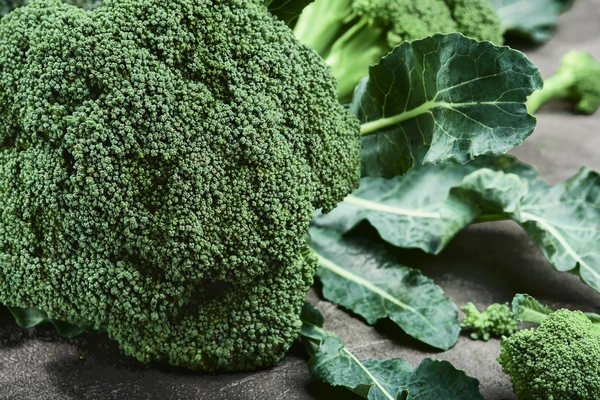
Broccoli likes sun, but will take more light shade than many vegetables.
The ideal growing site will have:
Full sun or part shade
Arable land
Well drained
Protection from high winds
Broccoli produces large heads and good foliage, so good conditions during growth will give the best results.
Stay away from exposed areas where strong winds can shake young plants and damage their developing roots.
Preparing the ground
Broccoli is a greedy crop.
If you want big healthy plants, soil preparation is a must.
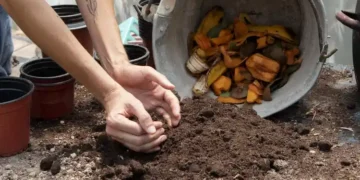
Enrich the bed before planting with:
Garden compost.
Well rotted manure
Leaf mold
Organic material
Broccoli grows best in fertile soil with good water retention but free drainage.
Organic matter-rich soil provides:
Steady nutrients
Improved water retention
Improved root growth
Better plants
Most of the time, the most bang for your buck is to spend time preparing the soil.
Planting Out Your Seedlings
When the plants are well established and the weather is favourable, it is time to set them in their final positions.
Make sure you have lots of room.
Overcrowding is a common mistake.
Broccoli needs room to grow to full size.
Aim for approximately:
18-24 inches apart
Row spacing 60cm
The spacing promotes:
Proper airflow
Healthy development
Fewer disease problems
Bigger heads
Transplanting plants firm well into the soil. Some vegetables like to be planted securely, broccoli is one of those.
Watering for Success
One of the secrets to growing great broccoli is consistent moisture.
Irregular watering may cause:
Stunted growth
Smaller heads
Strees
Bolting too early
Broccoli likes to be moist, but not wet.
During dry times:
- Water deeply
- Water thoroughly
- Focus on the root zone
Mulching around plants can help to retain moisture and reduce the frequency of watering.
How To Feed Your Broccoli
Broccoli grows fast and throws up a lot of foliage, so regular feeding pays dividends.
A balanced fertiliser or organic feed will help keep plants growing strongly.
Especially important nutrients include:
Nitrogen, Potassium, Phosphorus
Organic options like compost tea, seaweed feed or well-rotted manure can work very well.
Don’t feed too late in the season or you’ll encourage leafy growth and not good quality heads.
Mulching Does Matter
Mulching around broccoli plants has several advantages.
Mulch helps:
Stay moist
Weed management
Mild soil temperatures
Enhance soil health
Suitable materials include :
- Compost
- Straw
- Leaf mould
- Well-rotted organic matter
A well-mulched broccoli bed usually requires much less maintenance during the growing season.
Protection from Pests
If there is a weakness to broccoli, it is that many pests love it as much as gardeners do.
Fortunately most problems can be successfully handled.
White Cabbage Butterflies
These are probably the most notorious broccoli pests.
The butterflies themselves are harmless but the caterpillars can quickly strip foliage.
The methods of protection are:
Net, fine mesh
Insect proof covers
Routine inspection
Aphids
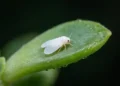
Sometimes these little sap-sucking insects will congregate on stems and leaves.
Often, encouraging beneficial insects such as ladybirds can help keep the numbers in check.
Slugs and Snails
Young plants are especially susceptible.
Protect seedlings by using:
Physical barriers,
Wildlife friendly management
Regular surveillance
The earlier problems are identified the easier they are to deal with.
How to Avoid Common Broccoli Problems
Bolting
Bolting is when broccoli begins to flower before it has developed a proper head.
Typical reasons are:
Thermal stress
Temperature extremes and Drought
Stress in the Plants
When watering is consistent and timed correctly the risk is greatly reduced.
Small Head
Causes usually are:
Low soil fertility
Not enough space
Not enough water
Insufficient sunlight
Good growing conditions generally produce larger crops.
Yellowing Leaves
This could mean:
Lack of nutrients
Water shortage
Natural ageing
Before you assume the worst check growing conditions.
Best Broccoli Companion Plants
Many gardeners use companion planting to help build a healthier garden ecosystem.
Good companions:
Onions
Their strong scent can also confuse some pests.
Garlic
Another aromatic crop, which fits in well with brassicas.
Lettuce
Great use of space while the broccoli plants are still developing.
Herbs
Dill, thyme and rosemary can attract beneficial insects.
Don’t grow broccoli with other large brassicas in crowded conditions, as they will compete with one another.
Grow Broccoli in Raised Beds
Raised beds are good for broccoli.
Benefits include:
Better drainage
Improved soil quality
Easier to maintain
Warmer spring soil
Many gardeners find they get better and more consistent results with broccoli in raised beds than they do in the traditional plot.
But just keep in mind that raised beds can dry out quicker in warm weather, so watch for moisture levels.
Can you Grow Broccoli in Pots?
Definitely.
Broccoli isn’t the first vegetable many think of growing in containers, but it can do very well in large pots.
Select containers that are:
- Deep
- Wide
- Well-drained
Give them rich compost and water them regularly.
Container grown broccoli is great for:
Patios & Courtyards
Miniature gardens
Urban farming areas
With good care the yields can be surprisingly impressive.
How to Harvest Broccoli
Timing the harvest is important.
Cut the main head while the flower buds are still tight and compact.
Leave it too long and the buds start to open into yellow flowers.
You can still eat broccoli that has flowered, but the quality declines rapidly.
Cut off the central head with a sharp knife, leaving several inches of stem.
Many varieties will then produce smaller side shoots for weeks to come.
One of the biggest rewards of growing broccoli is often these secondary harvests.
Broccoli Side Shoots – The Best Use of Them
Do not remove the plant after you have harvested the main head.
Many gardeners pull a plant too early and miss out on weeks of additional harvests.
Side shoots grow out from leaf joints and give multiple smaller heads with time .
Often these tender shoots are:
- Sweeter
- More delicate
- Perfect for stir-fries
- Ideal for steaming
The more you pick the more they make.
Crop Rotation & Future Success
Broccoli is part of the brassica family so it is a good idea to practise crop rotation.
Do not plant broccoli or its close relatives in the same spot year after year.
Rotate with unrelated crops including:
- Beans
- Peas
- Onions
- Root vegetables
Crop rotation helps reduce:
- Soil-borne diseases
- Pest build-up
- Nutrient depletion
It’s one of the simplest ways to improve the long-term health of the garden.
FAQs
Broccoli is one of the most rewarding vegetables to grow, but it can also raise a lot of questions, especially if you are a beginner.
Here are the answers to some of the most commonly asked questions about growing broccoli, from seed sowing and pest control to harvesting the perfect head.
1. When should I plant my broccoli?
Broccoli is a cool weather crop that likes mild temperatures.
Sow seeds indoors in early spring for a summer harvest, then transplant them outside after the danger of hard frost has passed.
Plant seeds in late spring or early summer for a fall harvest.
The trick is to avoid the hottest part of summer. Plants can bolt in too much heat.
2. Does broccoli require full sun?
Yes, broccoli likes full sun. It needs at least six hours of direct sunlight per day. But in areas with very hot summers, a little shade in the afternoon can help prevent plants from becoming stressed.
3. How long does it take to grow broccoli?
Most broccoli varieties are ready to harvest 70 to 100 days after planting, depending on variety and growing conditions. Maturity times can vary. Always check the seed packet.
4. Why are my broccoli heads so tiny?
Small heads are often due to:
- Soil fertility low
- Not enough watering
- Overcrowding
- High heat
- Not enough sunlight
Broccoli is a hungry crop, and needs good soil, good moisture and lots of room to develop properly.
5. What is bolting & how do I prevent it?
Bolting is when broccoli plants start to flower before they have grown a good-sized head.
Common causes are:
- Warm Weather
- Stress due to drought
- Abrupt swings in temperature
To reduce the risk, plant at the correct time of year, water plants well and choose varieties suited to your climate.
6. How often do I water broccoli?
Broccoli prefers consistently moist soil.
Try to provide 2.5 to 4cm (1 to 1.5 inches) of water a week, from either rainfall or irrigation. You may need to water more frequently during hot or dry periods.
Deep watering is better, rather than frequent shallow watering.
7. Is it possible to grow broccoli in containers?
Certainly.
Select a large container at least 30cm (12 inches) deep and wide. Fill it with good compost, and put it in a sunny spot.
With container-grown broccoli, be sure to keep them well-watered, as pots can dry out faster than garden beds.
8. Why are my broccoli leaves so holey?
Most common offenders are caterpillars, especially those of cabbage white butterflies.
Check under leaves regularly for eggs and caterpillars. One of the best methods for protecting broccoli plants from butterfly damage is with fine mesh netting.
9. What is the best broccoli fertilizer?
Broccoli needs a balanced fertiliser and a soil high in organic matter.
Incorporate plenty of compost or well-rotted manure when planting. Occasional feeds with a balanced vegetable fertiliser or liquid seaweed feed during the growing season can help support healthy growth.
10. Are broccoli leaves safe to eat?
Yeah.
Broccoli leaves are edible and very nutritious. Similar to kale or cabbage they can be cooked and are a great addition to stir-fries, soups and steamed vegetable dishes.
Many gardeners ignore this bonus harvest.
11. When to pick broccoli.
Pick broccoli when the main head is fully formed, but before the flower buds start to open.
The buds should be tight, firm, dark green. If you see yellow flowers starting to form, harvest right away.
12. Does broccoli grow back after harvest?
Yes, in many cases.
After cutting the main head, most broccoli plants will produce smaller side shoots from the leaf joints. These can be harvested over several weeks, producing a second crop from the same plant.
13. Why are my broccoli plants yellowing?
Possible causes of yellowing leaves are:
- Nutrition deficiencies
- Excess Water
- Under watering
- Natural aging
- Damage by pests
Begin by assessing soil moisture and feeding practices. It is normal for the lower leaves to yellow as the plant matures.
14. Does broccoli survive frost?
Broccoli is quite hardy and can stand light frosts.
Cool weather, in fact, often adds flavor. But extreme or prolonged freezing temperatures can damage plants, especially young seedlings.
In mild climates, many gardeners can successfully grow broccoli through the autumn and into the winter.
15. How do I store fresh picked broccoli?
Fresh broccoli is best eaten soon after harvest, though it will keep in the refrigerator for about a week.
For longer term storage:
- Blanch the florets in boiling water for a few minutes
- Chill immediately in ice water.
- Store in airtight containers or freezer bags
Frozen broccoli can be good for many months.
Top 5 Best Things to Do With Home-Grown Broccoli
After months of tilling the soil, patrolling plants from caterpillars, and watching those green heads grow in anticipation, harvest day is here.
There are few vegetables more rewarding to grow than broccoli, and once you have tasted it fresh from the garden you will soon realise just how much better it is than most supermarket alternatives.
Broccoli grown at home is sweeter, fresher and often more tender than shop bought varieties. For many gardeners the challenge isn’t growing it but what to do with the harvest once it arrives.
If you find yourself with a bumper crop of broccoli, here are five delicious ways to make the most of your home-grown produce.
1. Roast It For Max Flavour
If you have only ever had steamed broccoli, you are in for a pleasant surprise.
Roasting changes broccoli into something entirely different. The high heat caramelizes the natural sugars in the florets, resulting in crispy edges and a rich, nutty flavor that even many broccoli skeptics enjoy.
Simple Roasted Broccoli
What you need:
Fresh broccoli heads
Olive oil
Salt (sodium chloride)
Black pepper,
Optional garlic or chilli flakes
Toss the florets in the oil and seasoning, spread them on a baking sheet and roast them at 425°F (220°C) for about 20 minutes.
The end result is crispy, flavour packed broccoli which is perfect as a side dish or healthy snack.
A lot of gardeners find that roasting is their favorite way to enjoy a fresh harvest.
2. Creamy and Rich Broccoli Soup
One of the easiest and most comforting ways to use up a large quantity of broccoli when several heads mature at once is in a soup.
Broccoli soup is . . .
Easy to make.
Nutritious Affordable
Great for freezing
Simple Broccoli Soup
Mix together:
1 onion, chopped
2 heads of broccoli
Vegetable broth
Simmer till tender and puree till smooth.
You can also add a splash of cream, milk or creme fraiche if you want extra richness.
Serve with crusty bread for a simple lunch or warming supper.
If you use freshly picked broccoli it is really sweet and this comes through in the soup to give a taste that is hard to equal with older vegetables.
3. Save It for a Rainy Day
One of the smartest things you can do with a big broccoli harvest is to preserve some of it for future meals.
Freezing lets you enjoy your home-grown broccoli well past the end of the growing season.
How to Freeze Broccoli
Cut into florets.
Blanch for two to three minutes in boiling water.
Transfer immediately to ice water.
Drain well.
Package in freezer bags or containers.
Properly frozen broccoli will remain in excellent condition for many months.
This is especially useful if you have several plants maturing at the same time and can’t eat it all right away.
When the winter months roll around, future-you will thank yourself profusely.
4. Stir-fry
Broccoli and stir-fry are a match made in heaven.
Fresh garden broccoli holds its texture beautifully and absorbs sauces beautifully, making it a great ingredient for quick midweek meals.
Mix broccoli with:
Chicken Beef Tofu
Mushrooms Peppers
Garlic Ginger
Then, a simple soy-based sauce brings it all together in minutes.
One good thing about growing your own broccoli is that you can cut it when it’s just right, for maximum tenderness and flavor.
Don’t forget to use the stems, too. Peel off the outer layer and cut the tender interior into thin strips. Good for waste reduction, they’re tasty in stir-fries.
5. Fresh Enjoyment in Salads
Many people believe that broccoli should always be cooked but fresh broccoli can be very good!
Young tender florets are especially good in salads and slaws.
Simple Broccoli Salad
Blend:
Finely chopped broccoli
Red Onion.
Sunflower seed
Cranberries, dried
A light sauce
The crunchy texture makes salads more interesting and is a healthy alternative to lettuce-based dishes.
Fresh broccoli also pairs well with:
Apples
Walnut
Cheddar
Raisin
Greek yogurt salad dressings
Eating broccoli raw retains its crispness and many of its valuable nutrients.
Bonus Tip: Don’t Waste the Leaves
The leaves of the broccoli plant are one of the most overlooked.
Many gardeners throw them on the compost heap without knowing they’re perfectly edible.
Broccoli leaves may be:
Steamed
Stir fried
Added into soups
Used as cabbage or as kale
And they are packed with nutrients and can increase the total yield of each plant significantly.
If you’ve gone to the trouble of growing broccoli, you might as well eat all of the edible parts.
Growing broccoli is rewarding but the real fun begins when you get to enjoy the harvest. Roast it until it’s sweet and delicious, make comforting soups, freeze it for later meals, add it to stir fries or eat it fresh in salads. There are so many good things you can do with your crop.
The beauty of home-grown broccoli is the freshness. Fresh from the garden and delivered straight to the kitchen, it has flavour, texture and nutrition that is hard to beat.
So next time your broccoli patch yields a bumper crop, try something different. You may just discover a favorite recipe that will be a regular on your table for years to come.
Summary
Growing broccoli is not about high-tech or expensive equipment. It is about mastering the art. It’s about understanding what the plant needs and providing it consistent, reliable care throughout the season.
Give your broccoli rich soil, regular water, protection from pests, and cool growing conditions, and it will reward you with bountiful harvests of tasty and nutritious veggies.
Broccoli is one of the most useful crops for a gardener, whether growing a few plants in containers or a whole veggie bed dedicated to brassicas. The thrill of watching the first head form, the joy of harvesting delicate side shoots weeks later, and the benefits are there at every stage of the growing process.
So if you’ve had problems with broccoli before, don’t let that discourage you. With a little patience and know-how you will soon be harvesting beautiful heads fit for any kitchen garden, and enjoying one of the freshest, healthiest vegetables you can grow in your own home.