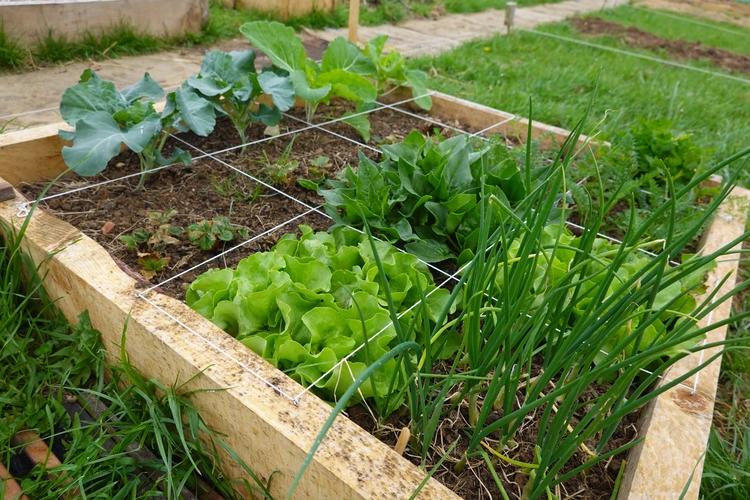
Have you ever seen a gorgeous vegetable garden and thought to yourself, I would love to grow my own food but I just don’t have the space? If so, you’re not alone.
Many of us dream of picking ripe tomatoes, crisp lettuce, fragrant herbs and colourful carrots straight from our own gardens, but often assume we need a massive allotment or a sprawling country garden to do it.
The good news is, you don’t.
Square foot gardening is one of the smartest, simplest and most productive ways to grow vegetables, herbs and even flowers in surprisingly small spaces. Whether you have a small back garden, a courtyard, a patio or just a sunny corner, this clever growing technique can help you to harvest more by doing less work.
Even better, it’s great for beginners because it takes a lot of the guesswork out of planning, spacing and maintaining your crops. Experienced gardeners love it too, for it is so efficient, tidy and rewarding.
If you’re ready to make every inch of your garden work harder, here’s what you need to know about square foot gardening.
What Is Square Foot Gardening?
Square foot gardening is just what it sounds like.
Instead of planting vegetables in long rows on a large plot, you divide a raised bed into separate one-foot squares. Each square turns into a small growing area of its own, with different crops planted depending on how much space they need.
This simple system was created in the 1980s by American engineer and gardener Mel Bartholomew. He wanted to make gardening simpler, more systematic, less laborious.
It works. That’s why the idea spread so fast around the world.
They do not leave spaces between the rows. Each square is carefully planned to maximize production. The result is a pleasing, well-ordered vegetable garden that produces great harvests from relatively small areas.
Why Gardeners Enjoy The Square Foot Method
Efficiency is one of the biggest draws of square foot gardening.
Traditional vegetable gardens often have large spaces between rows, which are required for weeding and harvesting. Square foot gardening takes advantage of every square inch of space.
There are so many benefits.
Because the plants are close together they shade the soil and this prevents many weeds from germinating so you’ll usually spend less time weeding.
Because you’re only watering the growing beds and not the paths, water is used more efficiently.
Crop rotation is easier, as each square can be planted separately.
Planning your garden is easy and fun.
Harvesting is easier, because all is within easy reach.
And perhaps best of all, the garden looks tidy and organised throughout the growing season.
Building Your First Square Foot Garden Bed
The classic square foot garden is four by four feet.
This gives you sixteen individual growing squares, whilst still allowing you to reach the centre comfortably from every side without stepping onto the soil.
Raised beds are great because they provide great drainage and stop soil compaction.
Most gardeners construct beds 15 to 30 centimetres deep, depending on the crops they intend to grow.
Timber is the most used material, but recycled plastic, brick or stone all work just as well.
The key: make sure the bed is sturdy and in a spot that gets at least six to eight hours of sunlight a day.
After all, veggies love sunshine.
1. Selecting the Proper Soil
Every productive vegetable garden has healthy soil as its secret.
The traditional square foot garden uses a light, rich, nutritious growing mix, not your regular garden soil.
A good quality mix will generally contain compost, coarse vermiculite and peat free growing media or coir.
There are a number of important benefits to this blend.
It drains well, but it holds moisture.
It is kept loose so the roots can grow easily.
It’s loaded with nutrients.
It warms up fast in spring.
and much easier to harvest root vegetables because it’s light
Little reliance is made on artificial fertilisers as each year fresh compost is added to keep the soil fertile and productive.
2. Splitting the Bed
Once your raised bed is full, it’s time to form the famous grid.
You can use thin wooden battens, bamboo canes or sturdy string to create a grid of one-foot squares across the surface.
The grid is important.
It helps avoid overcrowding.
Planning is made much easier.
It keeps getting organised
It allows you to rotate crops better.
And it makes the whole garden look pleasingly tidy.
Most gardeners say that seeing the individual squares makes the whole process of planting seem a lot less daunting.
3. How Many Plants Per Square?
That’s the beauty of how simple square foot gardening is.
Instead of having to worry about complicated measurements of spacing, each crop is planted according to its mature size.
Generally:
One plant per square: tomatoes, broccoli, cauliflower, cabbage and peppers.
For lettuce, Swiss chard and larger herbs, four plants per square is good.
Beetroot and spinach like about nine plants per square.
Sixteen plants per square is just right for carrots, radishes and onions.
But with some small crops, such as spring onions or baby carrots, you can plant more densely and harvest young.
Always check seed packets for recommended spacing, but the square foot method is a good place to start.
Top Crops for New Growers
Square foot gardening is popular for a reason, and that reason is many vegetables grow well using this method.
If you are new to this, choose crops that are reliable and productive.
Leaf lettuce grows fast, and you can harvest it over several weeks.
Radishes are also a good option for impatient gardeners as they mature in as little as four weeks.
Beans, Bush are prolific.
Spinach is easy to grow in cool weather.
Both the leaves and roots of beetroot are edible and nutritious.
Spring onions are very low maintenance.
Courgettes give generous harvests, though they generally require a whole square to themselves.
Cherry tomatoes thrive in sunny raised beds with sturdy stakes.
Fresh herbs such as basil, parsley, coriander and chives are great too.
A few reliable crops to start building confidence for future growing seasons.
Growing Upwards
Square foot gardening is more than simply using the ground space to its fullest.
Productivity increases dramatically as you grow.
Many climbing crops are naturally suited to vertical supports:
- Runner beans
- Climbing French beans
- Peas
- Cucumber
- Little squashes
- Some melons
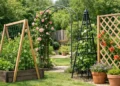
With the aid of simple trellises, bamboo frames or sturdy netting you can train these plants to grow upwards rather than sprawling out over the neighbouring squares.
This means healthier plants, easier harvesting and much better airflow.
Successive Planting
One of the big pluses of square foot gardening is how easily you can keep the harvest coming all season long.
If one crop is finished, another can be planted.
For example:
- Harvest radishes, then plant Lettuce
- Lift early spinach and put in dwarf beans.
- In autumn sow salads before harvesting garlic.
- Remove the peas and add kale.
This constant rotation means your garden is never idle.
From spring to autumn productivity is achievable in all squares.
Companion Planting is Excellent
Companion planting and square foot gardening are a perfect match.
Learn more about: Companion Planting >
Mixing flowers, herbs and vegetables makes a healthier, more diverse growing environment.
Plant marigolds with tomatoes to attract the pollinators.
For convenience and beneficial insects, plant basil with your tomatoes.
Edge beds with chives or thyme.
Let nasturtiums tumble down corners to attract pollinators and often draw aphids away from your vegetables.
This combo looks good, but it also promotes natural pest control throughout the garden.
Watering Wisely
Watering needs to be continued as raised beds tend to drain freely.
It is better to give a deep watering, rather than to water a little at a time.
Morning watering is generally best, as the leaves dry quickly during the day, reducing disease problems.
For larger plants, spread some mulch around them to help retain moisture and keep down weeds.
In warm summer weather, it’s worth checking more often as raised beds can dry out faster than traditional borders.
Fertilize Your Plants
Healthy compost has many of the nutrients your vegetables need.
But hungry crops like tomatoes, cucumbers and courgettes can benefit from extra feeding once flowers start to appear.
Liquid tomato feed is great for many fruiting vegetables.
Leafy crops like nitrogen rich compost.
Extra nutrients are usually not needed for root vegetables.
Don’t use too much fertiliser as it often produces lots of leaves but not much vegetables.
Weed Control
One pleasant surprise for new square foot gardeners is how few weeds show up.
The crops are planted close together, shading the soil so that there is no room for weeds to grow.
Any weeds that do appear are usually small and easily pulled up.
A quick weekly check-up can often be done in just a few minutes.
Compare that to the hours spent weeding conventional rows of vegetables and it’s easy to see why so many gardeners have adopted this method.
Don’t make these mistakes
Like all gardening techniques, there is a learning curve to square foot gardening.
Luckily most mistakes are easy to avoid.
Don’t overfill your squares. Plants need air circulation to remain healthy.
If you want to grow massive pumpkins or giant squash, don’t try to squeeze them into tight beds, you’ll need to let them trail over the sides.
Separate tall crops from short crops as tall crops can shade them.
Water regularly during dry weather.
Refresh the soil every year with compost.
Rotate crops if possible to reduce disease build-up.
Finally, don’t try to grow everything all at once.
Start with a small manageable patch, and grow your garden as your confidence grows.
Great for Families
Square foot gardening is especially popular with families.
Kids love the grid system, it’s neat and each square is like it’s own little project
Fast-growing vegetables like radishes, peas and lettuce keep young gardeners interested.
Bright flowers attract butterflies and bees, adding to the fun.
Harvesting turns into a treasure hunt as kids unearth carrots buried beneath the soil or discover tomatoes ripening on the vine.
Working in the garden together is also a great way to promote healthy eating and a love for nature.
Can You Grow Fruit?
Sure.
Most square foot gardens are filled with vegetables, but many fruits do well in them too.
Strawberries do well in raised beds.
Compact blueberry bushes can grow in acidic containers nearby.
Dwarf raspberries like to be supported.
Alpine strawberries are small and make good edging plants.
Larger beds can also be used to grow compact melons vertically.
Adding fruit adds even more diversity and is beneficial for pollinating insects.
Gardening across the Seasons
Square foot gardening is not just for the summer.
With the arrival of spring come salads, peas, spinach and early carrots.
Tomatoes, beans, cucumbers and courgettes arrive with summer.
Autumn has beetroot, kale, chard and late lettuce.
In milder climates winter beds can be planted with garlic, overwintering onions and hardy greens.
Planning your planting calendar means every square will be in production for as much of the year as possible.
Is Square Foot Gardening for You?
If space, time or gardening experience is limited, the answer is almost certainly yes.
The system does a lot to remove the confusion of spacing and planning, which is good for beginners.
It’s equally valuable for experienced gardeners who want to increase productivity while decreasing maintenance.
Even those with large plots of land prefer, more often than not, to grow a square foot garden or two simply because it is so efficient.
If you want to grow your own fresh salads, cut your grocery bill, eat vegetables without pesticides, or just spend more time outdoors, square foot gardening is a fun and very rewarding way to do it.
FAQs
One of the most popular ways to grow fresh vegetables, herbs and even flowers at home is square foot gardening.
It is neat, productive, beginner friendly and maximizes every inch of growing space.
Whether you have a small back garden, a patio or just a few raised beds, this clever gardening method can help you enjoy bumper harvests without needing a huge veg plot.
If you’re just getting started with square foot gardening – or you want to get better at it – you probably have some questions. Here are the ten most common ones along with practical answers so you can grow with confidence.
1. What is square foot gardening, precisely?
Square foot gardening is a simple gardening method that divides a raised bed into individual one-foot squares.
Long rows of vegetables are replaced with individual squares, each dedicated to a certain number of plants based on their mature size.
For instance:
One tomato plant to the square.
Four lettuce plants per square foot.
9 beetroot plants to the square
Sixteen carrots or radishes to the square.
This system is a great way to optimise space, make planning your garden a lot easier and cut down on waste. It is a great plant for beginner and experienced gardeners alike.
2. Do I need a raised garden bed?
Although you can use ordinary garden soil, raised beds are highly recommended.
Raised beds have lots of benefits:
Improved drainage.
Better soil quality.
Easier to plant and harvest.
Lowered soil compaction.
Few weeds.
A cleaner appearance.
A typical square foot garden bed is 4ft x 4ft (about 1.2m x 1.2m) so there are 16 individual planting squares and you can reach any part of the bed without stepping on the soil.
3. What vegetables do best in a square foot garden?
Many vegetables grow all right this way.
Some of the easiest crops to grow are:
- Lettuce
- Spinach
- Radishes
- Beetroot
- Spring onions
- Bush beans
- Carrots
- Swiss chard
- Peas
- Tomatoes
- Peppers
- Herbs such as basil, parsley and chives
Fast-growing vegetables are particularly rewarding because you can harvest and reseed throughout the growing season.
4. Can I grow big veg like pumpkins or courgettes?
Yes, but choose wisely.
It is possible to grow courgettes in a square foot garden but each plant generally needs a whole square with some room for the leaves to spread.
Big pumpkins, giant squash and sprawling melons can take up a lot of space in a small raised bed. If you want to grow them, let the vines run out of the bed, or train suitable varieties up strong supports.
Compact or bush varieties are often better for smaller gardens.
5. How much water does a square foot garden require?
Vegetable beds dry out faster than traditional vegetable plots, especially in warm weather.
As a rule of thumb:
- Water deeply, not frequently and lightly.
- Keep an eye on the soil moisture during hot spells.
- Water if you can, early in the morning.
- Use mulch to help keep moisture in.
Go by feel, rather than by a regimented schedule. The soil will tell you when to water. If the top few cms feel dry it is probably time to water.
6. Do I need fertilizer?
Much of the nutrition your plants need is found in healthy, compost-rich soil.
However, crops that feed heavily like:
- Cucumbers
- Tomatoes
- Peppers
- Zucchini
usually respond well to normal liquid feeds once they start to flower.
Adding fresh compost every year is another of the simplest ways to keep your raised bed fertile and productive without relying heavily on artificial fertilisers.
Healthy soil always equals healthier plants.
7. Can I plant flowers in a square foot garden?
For sure!
Flowers make great companions for vegetables.
Some good options include:
- Marigolds
- Nasturtiums
- Calendula
- Cosmos
- Sweet alyssum
- Borage
These flowers attract bees, butterflies and other beneficial insects as well as adding colour and interest to your vegetable garden.
It’s common to see gardeners intermix flowers, herbs and vegetables throughout their beds to create a healthier and more attractive growing space.
8. Is square foot gardening good for novices?
Without a doubt.
Square foot gardening removes a lot of the confusion that tends to turn off new gardeners.
No more complicated spacing measurements or long rows of plants. Simply fill one square at a time.
The system also makes it easier to:
- Plan your crops
- Rotate vegetables
- Weed efficiently
- Keep track of what you’ve planted
- Harvest little and often
Many new gardeners find that they grow in confidence very quickly as the method is so easy to follow.
9. Can I square foot garden in containers?
Yes.
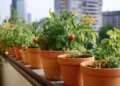
If you’re short on space for raised beds, you can adapt the principles to containers, grow bags and planters.
Just consider spacing the same way.
A single tomato plant can fit comfortably into a large pot.
Window boxes can be great for lettuce and herbs.
Spring onions, spinach and radishes are perfect for containers.
If your containers have good drainage and plenty of sun you will enjoy many of the same benefits of a traditional square foot garden.
10. What are the common beginner mistakes?
Luckily, most mistakes are easy to avoid.
Some of the most often used are:
Overplanting
It may be tempting to squeeze in extra seedlings, but overcrowding reduces airflow and raises the risk of disease.
No sunlight
Most vegetables require at least six hours of direct sunlight each day to produce a good harvest.
Forgetting the succession planting
When one crop is finished, plant something else instead of leaving squares empty.
Not to re-fertilize the soil
Top up nutrients by adding compost every season.
Skipping regular harvests
Many vegetables, especially beans, lettuce and courgettes, produce more if they are picked often.
Learning from these little mistakes is part of being a better gardener
Wrapping Up
Square foot gardening teaches you don’t need acres to have a bountiful harvest. With a raised bed thoughtfully planned, rich soil and a simple grid system, even the smallest outdoor space can become a productive kitchen garden brimming with fresh, homegrown produce when scaled up.
One of the greatest joys of this technique is its approachability. You don’t need to be a seasoned gardener or a walking vegetable encyclopedia to get started. Begin with a few dependable crops, learn a little more each season, and enjoy watching your confidence grow along with your plants.
What makes square foot gardening so great is its flexibility. Every bare patch of soil provides a chance to grow a new vegetable, plant another batch of salad leaves or try some colourful flowers to attract pollinators. You will soon learn what grows best in your garden and have a planting plan that is perfect for your space and your lifestyle.
So grab a few packets of seeds, build that first raised bed and don’t be afraid to get your hands dirty. The rewards are new, delicious and fulfilling—and soon you’ll see that some of the biggest gardening victories do indeed come from the smallest spaces.
Happy Gardening! From all of us at Good Garden Ideas!
See also: A Step-by-Step Guide to Building a Raised Bed Garden