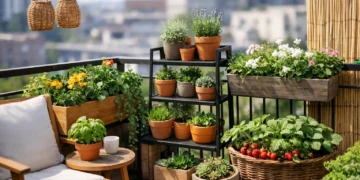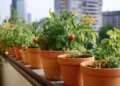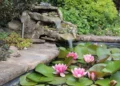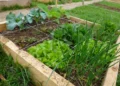
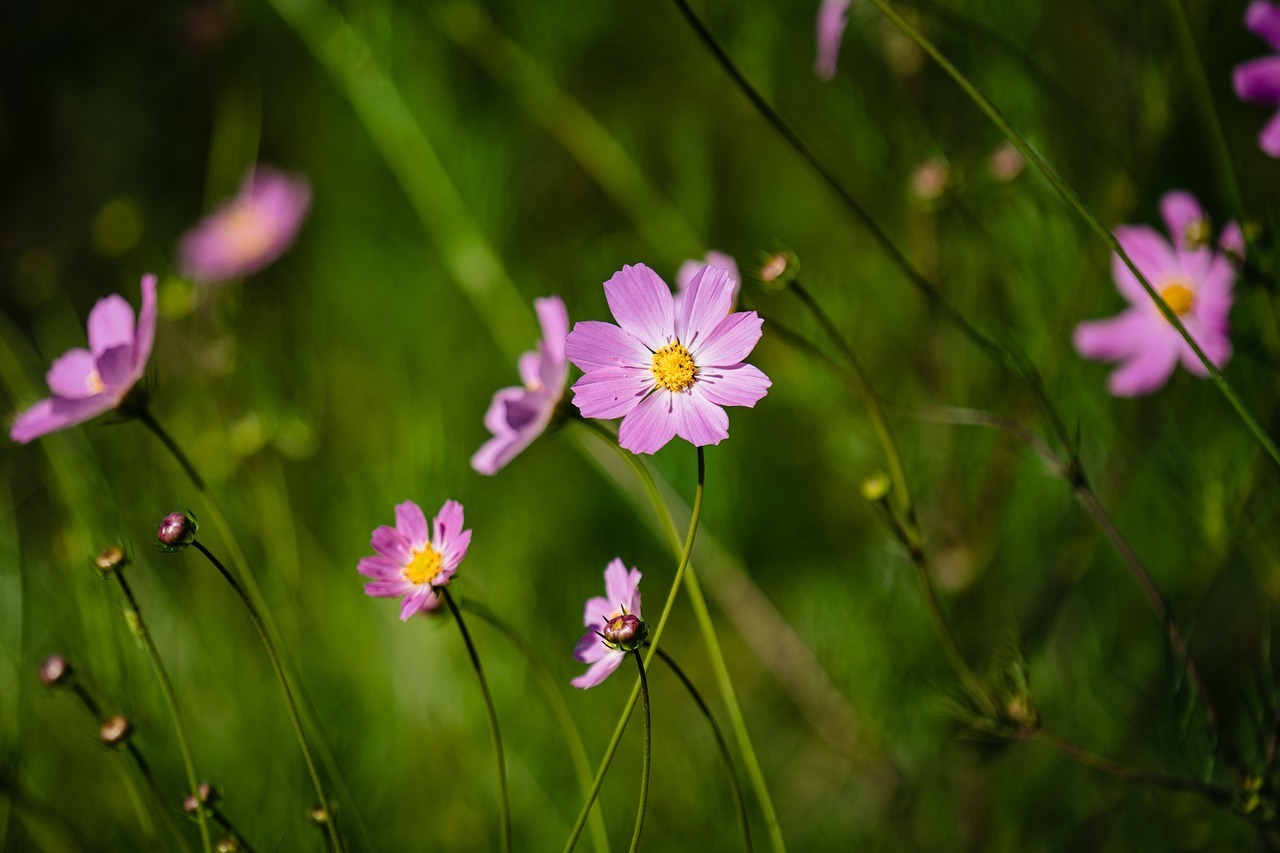
A low-maintenance garden doesn’t mean you have to live with a boring or dead garden. Not at all. It’s about making smart choices that fit with your life instead of making it harder. It’s about choosing plants that don’t need much care, using materials that don’t need much care, and making your space so that it looks good even when you don’t do anything to it every week.
You are not alone if you love the idea of a beautiful garden but don’t want to spend every free weekend weeding, pruning, watering, and generally trying to keep everything alive.
For a lot of us, the garden of our dreams looks like something out of a magazine: lots of green plants, bright flowers, neat borders, and a quiet spot to sit with a cup of tea.
The reality, though, often involves muddy shoes, overgrown plants, forgotten watering cans, and that one corner you keep pretending you’ll “sort out next weekend.” Life is full.
High-maintenance gardening routines don’t leave much time (or energy) for work, family, social plans, and the everyday business of living.
The good news is? You can have a beautiful, peaceful outdoor space without making it your job.
Picture going outside and seeing a garden that still looks good even though you haven’t touched it in days.
A place where weeds have a hard time growing, you don’t have to water it much, and everything has been set up to do well with little help from you. A garden that makes you feel calm, not like you have a lot to do.
There are easy, smart ways to make your small courtyard, modest suburban plot, or larger outdoor space that is starting to feel too big easier to take care of. Small changes can make a big difference in how much work your garden needs. For example, hardy plants and gravel beds, smart layouts, and features that save time can all help.
We’ll talk about stylish, low-maintenance garden ideas in this article. You’ll learn how to make a space that looks welcoming all year long, needs less watering, less weeding, and a lot less work in general.
Your garden should be a place you enjoy spending time in, not a place where you feel like you have to keep up all the time.
The Appeal of Low Maintenance Gardens
Low-maintenance gardens are great for busy homeowners who love nature but don’t have the time or energy to spend on traditional gardening.
hese gardens focus on choosing plants and landscaping methods that do well with little care while still making the area look nice.
Advantages of Gardens That Don’t Need Much Care
- Less time spent on maintenance means more time to enjoy your garden.
- Cost-Effective: Fewer resources are needed, and maintenance costs go down over time.
- Eco-Friendly: Sustainable practices use less water and fewer chemicals.
- Beautiful Landscapes: Gardens that are well-planned and don’t need a lot of care can be just as beautiful as those that do.
Choosing the Right Plants for a Low Maintenance Garden
Choosing the right plants is very important for making a garden that doesn’t need much care.
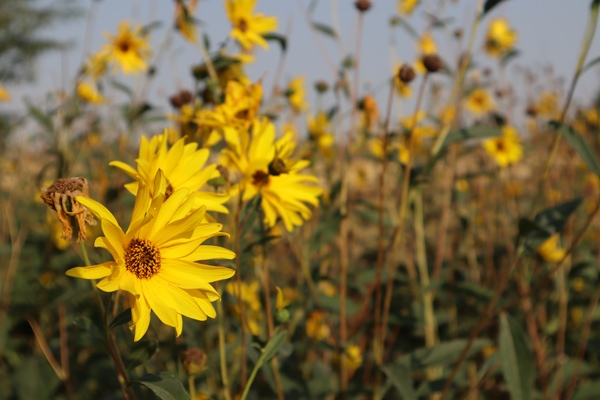
These are some types of plants that do well in places that don’t need a lot of care:
1. Native Plants
If you’ve ever looked at your garden and wished it looked great without you having to be there every weekend, native plants might be the easy, no-drama answer you’ve been looking for.
We love anything that makes gardening more fun and less like a never-ending list of chores here at Good Garden Ideas.
Native plants do just that.
These are the plants that have grown in your area for hundreds (and sometimes thousands) of years without any help from people. They are completely at home in your area’s soil, weather, and seasonal patterns. That means they don’t need constant care, special treatment, or a lot of water to look their best.
So, they are perfect for gardens that don’t need a lot of care.
Native plants are much more hardy than many ornamental imports because they are already adapted to your climate. They’ve been through long dry spells, heavy rain, and cold snaps before.
Once they are established, many native plants can survive long periods of drought without needing rich compost or regular feeding. That’s less work for you, and your garden will take care of itself.
Another great thing about a native garden is how quickly wildlife comes to visit. Bees, butterflies, birds, and good bugs in the area know right away that these plants are good places to find food and shelter.
Spring and summer flowers that are full of nectar draw in pollinators, and seed heads that stay up through the fall and winter give birds natural snacks. Your garden comes to life in the easiest way.
Native plants also look best when they are in relaxed, big groups or drifts. Not only does this style look great and natural, but it’s also useful.
Plants that grow close together help keep the soil cool and keep weeds from growing. This means you don’t have to spend as much time crouching over borders pulling out unwanted plants.
A lot of native grasses and perennials keep their shape long after the flowers have died. This adds texture and interest to the garden during the colder months.
You don’t have to cut everything back as soon as you see the first signs of fall. Instead, you can let your garden stand proudly through winter with very little work.
Having peace of mind is probably the best thing of all. Native plants are better at fighting off local pests and diseases because they have evolved with them.
You won’t have to keep trying to save plants that aren’t doing well and were never meant to be in your garden in the first place.
You can make a space that is calm, beautiful, and easy to care for by choosing plants that really belong there. This is what a low-maintenance garden should be like.
Popular Native Plants:
You would need to research your specific area but below are some ideas to get you started.
View the U.S. Forest Service Guide to Native Planting >
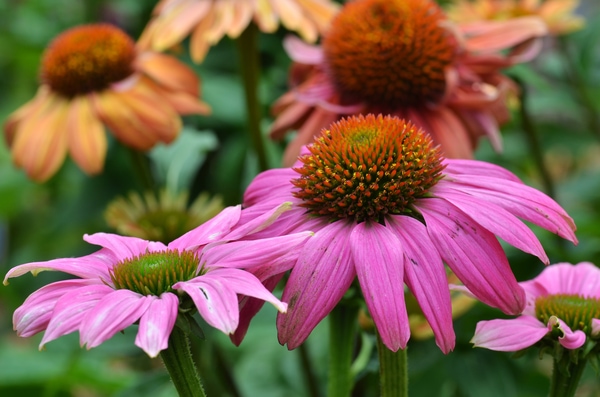
Echinacea purpurea (Purple Coneflower)
A prairie native with long summer blooms that attract bees, butterflies, and birds.
Rudbeckia hirta (Black-Eyed Susan)
Bright yellow flowers that thrive in sun and poor soil while supporting pollinators.
Asclepias tuberosa (Butterfly Weed)
A vital host plant for monarch butterflies with vibrant orange flowers.
Solidago canadensis (Goldenrod)
Tall golden plumes in late summer that are excellent for pollinators.
Lobelia cardinalis (Cardinal Flower)
Striking red blooms that hummingbirds love; thrives in moist soil.
Monarda fistulosa (Wild Bergamot / Bee Balm)
Fragrant foliage and lavender blooms that attract bees and butterflies.
Coreopsis lanceolata (Coreopsis)
Cheerful yellow flowers that handle heat and dry soil with ease.
Penstemon digitalis (Penstemon)
Upright white flower spikes that thrive in sunny, well-drained areas.
Aquilegia canadensis (Wild Columbine)
Delicate red and yellow flowers perfect for partial shade and loved by hummingbirds.
Schizachyrium scoparium (Little Bluestem)
A native ornamental grass with blue-green summer foliage and copper fall color.
Learn more about Harnessing the Power of Native Planting >
2. Perennials
If your dream garden is one where you sit with a cup of tea instead of running outside with secateurs every five minutes, perennials are going to win your heart.
We love plants that do their job year after year without needing a lot of attention at Good Garden Ideas. And that’s what perennials do.
Perennials come back every year, usually bigger and better than before. Annuals, on the other hand, need to be replanted every year. You only have to plant them once, and they’ll give you years of enjoyment with little trouble.
That’s the kind of relationship we want in a garden.
Perennials are the best plants for a low-maintenance border because they are reliable, tough, and usually don’t need much care once they are established.
A lot of them handle a little neglect very well. Forget to water? They’ll let it go. Did you forget to feed them? They will still put on a show. Leave for a week in the summer? They won’t fall apart in protest.
One of the best things about them is that they naturally fill space over time.
As perennials grow up, they form big clumps that help keep the soil cool and keep weeds out. If there are fewer gaps in your borders, there will be fewer chances for unwanted plants to get in, which means you won’t have to weed as much. It’s a win-win.
They are also great for making your garden look neat and tidy.
Flowers bloom and fade, but the leaves of many perennials stay interesting and add texture for a long time.
Think of leafy mounds, graceful stems, and shapes that are fun to look at that keep borders looking full even when nothing is in bloom. Your garden looks full without you having to add new plants all the time.
Another great thing is how easy it is to change the color of the seasons. You can have flowers in bloom from spring to fall without having to replant beds every few months if you choose a mix of early, mid, and late-flowering perennials. At first, you just have to choose wisely, and then let nature take over.
Perennials are also usually pretty tough when it comes to the weather in your area. A lot of them are very tough and can handle cold winters, hot summers, and rain that comes and goes. Once their roots are set, they don’t need as much care as newly planted annual displays, which need to be watered and fed regularly to look good.
When it needs to be done, maintenance is very easy. Most of the time, all you need to do is cut them back once a year, tidy them up every now and then, and divide them into smaller clumps every few years.
In fact, splitting perennials gives you free new plants to plant in your garden or give to friends, which is another nice surprise.
Maybe the best thing about them is how easy they make things. A garden with perennials in it feels calm, settled, and established.
You don’t have to worry about empty spaces or constantly look for the next planting plan. Everything has its own spot and comes back every year without fail.
If you choose the right mix of perennials, your garden can look full, colorful, and well-structured without needing much from you. And to be honest, that’s how low-maintenance gardening should feel.
Popular Perennials:
Echinacea purpurea (Purple Coneflower)
A hardy native with long-lasting summer blooms that attract bees and butterflies. Drought tolerant and easy to grow.
Rudbeckia hirta (Black-Eyed Susan)
Cheerful yellow daisy flowers from midsummer into fall. Thrives in heat, poor soil, and full sun.
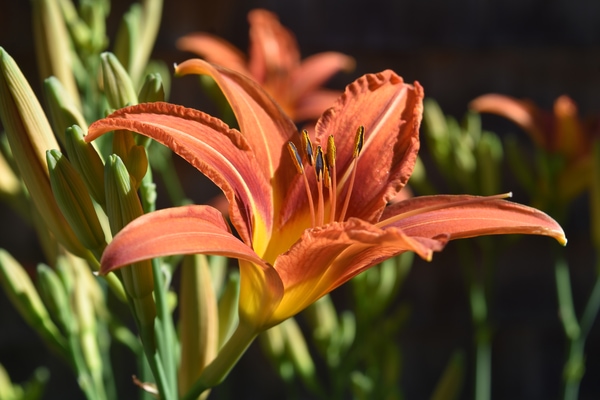
Hemerocallis (Daylily)
Extremely resilient and adaptable. Produces bold blooms and handles neglect better than most plants.
Hosta (Hosta)
A go-to for shade gardens, grown for its lush foliage and ability to fill tricky low-light spaces.
Lavandula angustifolia (Lavender)
Fragrant, drought-resistant, and loved by pollinators. Perfect for sunny, well-drained areas.
Sedum spectabile (Sedum / Stonecrop)
Succulent leaves store water, making it ideal for dry spots. Late blooms provide valuable nectar.
Salvia nemorosa (Perennial Salvia)
Long-flowering spikes in shades of purple, blue, or pink. Drought tolerant and very pollinator-friendly.
Peony (Peony)
Long-lived and dependable with large, showy spring flowers and minimal yearly care.
Coreopsis verticillata (Coreopsis)
Fine foliage and masses of yellow flowers. Thrives in heat and lean soil with little attention.
Astilbe (Astilbe)
Excellent for moist, shady spots. Feathery plumes add soft color and texture with very little effort.
3. Drought-resistant plants
This is for you if you’ve ever watched your garden die while you stood there with a hose, wondering what went wrong.
At Good Garden Ideas, we believe that your garden should work with the weather instead of fighting it.
Drought-resistant plants are the best for a low maintenance garden. These plants don’t freak out when it doesn’t rain for a while. In fact, a lot of them would rather have things on the drier side.
Plants that can survive without a lot of water are naturally able to do so.
They often have smart features, like leaves that reflect sunlight, thick fleshy leaves that hold water, or deep root systems that reach water far below the surface. Plants that look good without you having to water them all the time.
This is especially helpful if you’re busy, forgetful, or just don’t want to spend summer evenings watering the garden.
Another good thing about these plants is that they do well in bad soil.
Many drought-tolerant plants don’t like rich, wet ground. Instead, they do best in areas that are a little neglected and have good drainage. Gravel beds, sunny borders, and those dry spots that other plants have trouble with become great places to plant.
And they don’t just live; they look great doing it.
Plants that can survive drought often add great color and texture to a garden. Think about soft greys, muted greens, and bright pops of yellow, blue, and purple.
A lot of them have fragrant leaves that smell great on hot days and can also keep bugs away. They give a space a relaxed, Mediterranean feel that makes it seem calm and easy right away.
These plants are easy to take care of, which is nice. Once they are established, they don’t need to be fed very often, they are less likely to get sick from being wet, and they don’t fall over if you forget to water them. They usually look their best with just a little bit of pruning and cleaning every now and then.
They also make great partners for mulching. A layer of gravel or bark around plants that don’t need a lot of water helps keep the little bit of water they do need and keeps weeds from growing. Less watering, less weeding, and less trouble.
You can relax a lot more if you choose plants that do well in dry conditions. Your garden is tougher, lasts longer, and is much easier to take care of when it’s warm.
And the best part is that you can enjoy sunny days in your garden without feeling like you need to be there with a hose.
Popular drought-resistant plants:
Lavandula angustifolia (Lavender)
Fragrant, sun-loving, and perfectly suited to dry, well-drained soil. A magnet for bees.
Echinacea purpurea (Purple Coneflower)
A hardy native prairie plant that handles heat and dry spells with ease while attracting pollinators.
Sedum spectabile (Sedum / Stonecrop)
Succulent leaves store moisture, making this ideal for hot, dry borders and gravel gardens.
Salvia nemorosa (Perennial Salvia)
Long-flowering, sun-loving, and highly tolerant of drought once established.
Rudbeckia hirta (Black-Eyed Susan)
Cheerful yellow blooms that thrive in heat, sun, and poor soil.
Achillea millefolium (Yarrow)
Feathery foliage and flat flower heads that cope brilliantly in dry, sunny conditions.
Agastache foeniculum (Agastache / Anise Hyssop)
Aromatic leaves, long flower spikes, and excellent tolerance for heat and low water.
Gaillardia aristata (Blanket Flower)
Bright, daisy-like blooms that love full sun and dry soil.
Nepeta faassenii (Catmint)
Soft grey foliage and clouds of purple flowers with impressive drought tolerance.
Perovskia atriplicifolia (Russian Sage)
Silvery stems and airy purple flowers that thrive in hot, dry, sunny spots.
Techniques for landscaping that are easy to keep up
A well-planned landscaping design makes things easier to care for while also making them look better.
Here are some ideas for landscaping that you might want to think about:
1. Ground Covers
Ground covers are a great way to add green space while also cutting down on weeds and soil erosion. Hardy types like Creeping Thyme or Ajuga are great for filling in gaps and not needing much care.
2. Mulching
Mulch around your plants keeps weeds from growing and keeps the soil moist. Not only do organic mulches like bark or wood chips insulate plant roots, but they also make your garden look better as a whole.
3. Layouts that work well
Designing your garden with efficiency in mind can drastically reduce your maintenance. Think about putting plants that need the same amount of water together and making paths that make mowing and weeding easier.
Sustainable Practices for Low Maintenance Gardening
Using eco-friendly methods is good for both your garden and the environment.
Here are some eco-friendly ways to make your garden easier to care for:
1. Drip irrigation
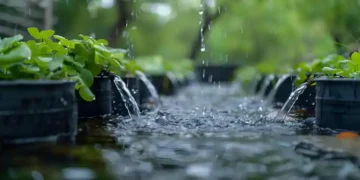
A drip irrigation system sends water straight to the roots of your plants, which cuts down on water waste and the need to water them all the time.
This setup is especially helpful in areas that are likely to have droughts because it keeps your garden green without needing a lot of work.
2. Making compost
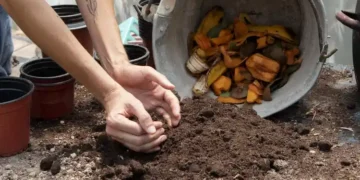
Making your own compost adds nutrients to your soil and makes you less dependent on store-bought fertilizers.
By composting organic waste, you can create a sustainable source of nourishment for your plants, reducing time spent on fertilizing.
3. Minimal Lawn Area
Making your garden beds bigger and your lawn areas smaller means you won’t have to mow and take care of them as often.
Instead of traditional grass lawns, think about adding pathways and ground covers to make the landscape more varied and long-lasting.
Creating Outdoor Living Spaces
Making your garden into a place to live outside makes it more useful and makes it feel like an extension of your home.
Here are some ideas to create an effortless outdoor area:
1. Areas for sitting
Incorporate comfortable seating areas using weather-resistant furniture.
Position seating near flowering plants or herbs for a pleasant sensory experience. If you want something stylish that doesn’t need a lot of care, think about built-in benches or pergolas.
2. Fireplaces
A fire pit makes your garden a warm place to hang out with friends.
Opt for a permanent fire pit design using stones or bricks that requires minimal upkeep while providing a charming focal point.
3. Gardens that grow up
Vertical gardens make the most of space and are easy to care for.
You can make a beautiful green wall with low-maintenance climbing plants or succulents by using shelves, wall planters, or trellises. This will make your garden look even better.
Low-Maintenance Gardens: Frequently Asked Questions
1. How much time will a low maintenance garden save me?
The amount of time you save depends on how big your garden is and what kinds of plants you choose.
By choosing low-maintenance plants and using smart methods, homeowners can usually cut their gardening time in half.
2. Will a garden that doesn’t need much care look boring?
No! A garden that doesn’t need a lot of work can be just as colorful and pretty as one that does.
You can make a beautiful space that is still easy to care for by choosing a range of colors, shapes, and textures.
3. When is the best time to plant gardens that don’t need much care?
Fall and spring are ideal for planting as the temperatures are moderate.
But if you choose hardy plants, you can garden all year long, depending on where you live.
Summary
It doesn’t have to be hard to turn your outdoor space into a garden that doesn’t need much care.
You can make a beautiful garden that doesn’t need much care by choosing the right plants, using effective landscaping methods, and using eco-friendly methods.
If you plan ahead and use your imagination, your garden can become a peaceful place where you can enjoy nature and spend time with friends and family without having to worry about keeping it up all the time.
Enjoy the beauty of effortless elegance and let nature improve your life!