Some of the best sustainable gardening ideas are incredibly simple.
I love the idea of having a greener garden.
And no, I don’t just mean one that’s full of green leaves!
When I talk about making a garden greener, I’m thinking about creating an outdoor space that works a little more in harmony with nature.
A garden that uses fewer resources, creates less waste, welcomes wildlife, protects the soil, saves water and still gives me plenty of beautiful flowers, delicious vegetables and lovely places to sit and enjoy it all.
The good news is that sustainable gardening doesn’t have to mean completely changing the way you garden.
I can make compost from things I might otherwise throw away. I can collect rainwater. I can plant flowers for bees and butterflies. I can leave some leaves on the ground. I can reuse containers. I can choose plants that are happy in the conditions I already have rather than constantly trying to change those conditions.
And I certainly don’t need to do everything at once.
I’ve put together these 50 sustainable gardening ideas as a mixture of easy wins and slightly bigger projects. Some cost virtually nothing, while others might take a little planning.
My advice? Pick a couple that appeal to you and start there.
Learn more about Sustainable Gardening >
1. Start Composting
If I had to choose one sustainable gardening habit to recommend, composting would be near the top of my list.
Instead of sending suitable kitchen scraps and garden waste away, I can turn them into something useful for my garden.
Vegetable peelings, fruit scraps, grass clippings, fallen leaves and other suitable organic materials can gradually break down into compost.
I then return that compost to my soil.
It’s gardening’s own little recycling system.
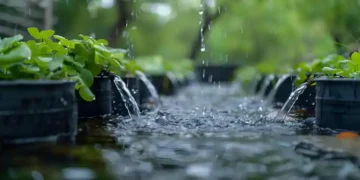
2. Collect Rainwater
Why use treated mains water on my garden when I can collect rainfall for free?
A water butt connected to a suitable downpipe can provide a useful reserve of rainwater.
I can use collected rainwater for many garden plants and containers, particularly during drier periods.
It’s a simple change, but over time it can make a real difference to water use.
3. Mulch Your Flower Beds
Mulching is one of those gardening jobs that seems almost too simple to be useful.
But it really can help.
A layer of suitable mulch protects the soil surface, helps retain moisture, suppresses some weeds and can add organic matter as it breaks down.
I particularly like organic mulches such as compost, leaf mould and suitable chopped leaves.
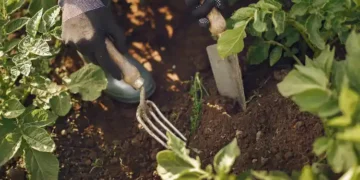
4. Try No-Dig Gardening
I used to think digging was simply part of gardening.
But I’ve become much more interested in no-dig methods.
Rather than repeatedly turning the soil over, I can add organic matter to the surface and let soil organisms, roots and earthworms do much of the work.
It can also save me a considerable amount of backache!
5. Grow More Native Plants
Native plants can be particularly valuable for local wildlife and are often well adapted to the conditions in their natural range.
I don’t need to turn my entire garden into a native plant collection.
Adding a few suitable native species when replacing plants or creating new borders is a great place to begin.
6. Plant for Pollinators
Bees, butterflies and other pollinators need reliable sources of food.
I can help by growing a variety of nectar-rich flowers that bloom at different times of year.
Lavender, foxgloves, salvias, thyme and many other flowering plants can provide valuable resources, depending on where you live.
And the bonus is that a garden full of flowers is a lovely garden to have.
7. Leave Some Leaves
I know how tempting it is to clear every leaf from the garden.
But fallen leaves aren’t necessarily rubbish.
They can provide shelter for insects and other small creatures and eventually break down into organic matter.
Rather than clearing every leaf, I can leave some in suitable areas or collect them for making leaf mould.
8. Make Leaf Mould
Leaf mould is one of my favourite examples of turning something that looks like garden waste into something valuable.
Collect fallen leaves, allow them to break down over time, and eventually they become a dark, crumbly material that can be used around the garden.
It takes patience, but fortunately nature does most of the work.
9. Grow Your Own Vegetables
Growing vegetables can make my garden productive as well as beautiful.
There’s also something incredibly satisfying about walking outside to pick ingredients for dinner.
I can make the vegetable patch more sustainable by using compost, saving seeds, collecting rainwater, rotating crops and avoiding unnecessary chemical treatments.
10. Save Seeds
Saving seeds from suitable plants can reduce the number of seed packets I need to buy each year.
It can also be fascinating to learn how different plants produce and disperse their seeds.
Some varieties are much easier to save seed from than others, so it’s worth learning about the particular plants I’m growing.
11. Grow Perennials
Perennial plants can return year after year, meaning I don’t have to replace them every season.
They can also provide longer-term habitat and food sources for wildlife.
Flowers, herbs, fruit bushes and many ornamental plants are available as perennials.
12. Choose the Right Plant for the Right Place
This sounds obvious, but it’s one of the easiest sustainable gardening principles to overlook.
If I plant something that needs lots of moisture in a dry, sunny spot, I’m going to spend a lot of time watering it.
Likewise, a shade-loving plant in scorching sun isn’t going to be particularly happy.
Choosing plants suited to the conditions means less intervention from me.
13. Reduce Chemical Pesticides
I don’t want to reach for a chemical solution every time I spot a bug.
Instead, I try to identify the problem first.
Sometimes the damage is minor and the plant will recover.
Sometimes natural predators arrive.
And sometimes I can remove pests by hand.
A sustainable garden should have room for insects, even when a few of them nibble my plants.
14. Welcome Beneficial Insects
Not all insects are garden enemies.
Ladybirds, lacewings, hoverflies, ground beetles and many other insects can be useful garden visitors.
Growing flowering plants and providing shelter can encourage beneficial insects to stick around.
15. Create a Wildlife-Friendly Corner
I don’t need a huge wildlife garden.
One slightly untidy corner can provide shelter for insects and other creatures.
A pile of logs, fallen leaves, stones, native plants or dense vegetation can all create useful habitat.
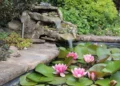
16. Add a Small Wildlife Pond
Water can make a huge difference to a garden’s wildlife.
Even a small pond can attract insects and other creatures.
If space is limited, a suitable container can sometimes be transformed into a mini pond.
Always make sure wildlife can safely get in and out.
17. Plant Trees
Trees can provide shade, shelter, habitat and food for wildlife.
They can also become wonderful focal points in a garden.
Before planting, I always need to consider the mature size of the tree and whether it is suitable for the available space.
18. Grow a Herb Garden
Herbs are wonderfully practical.
I can grow them in borders, containers, raised beds or even on a windowsill.
Many herbs also provide flowers that attract pollinators if I allow them to bloom.
19. Reuse Plant Pots
I don’t always need a brand-new container for every plant.
Plastic nursery pots can often be washed and reused.
Old containers can sometimes be repurposed too, provided they’re suitable and have adequate drainage.
20. Buy Second-Hand Gardening Tools
Garden tools don’t always need to be new.
Second-hand tools can be perfectly usable, and older tools can sometimes be surprisingly well made.
I can clean them up, sharpen them and give them a new lease of life.
21. Repair Before Replacing
A broken handle, loose screw or blunt blade doesn’t necessarily mean a tool belongs in the bin.
If I can repair it safely, I can keep using it.
Good tool maintenance can extend the useful life of gardening equipment considerably.
22. Share Tools With Neighbours
How often do I really use certain garden tools?
Some equipment gets used once or twice a year.
Sharing less frequently used tools with neighbours, friends or family can reduce unnecessary purchases.
And it can be a nice way to get to know the people around you.
23. Reduce Plastic in the Garden
Plastic has its uses, but I can look for ways to reduce unnecessary plastic.
I can reuse pots, choose durable products, buy fewer disposable items and look for alternatives where practical.
The most sustainable item is often the one I already own.
24. Make Your Own Plant Supports
Instead of buying a new support for every climbing plant, I can sometimes use sticks, bamboo, prunings or other suitable materials from the garden.
A few branches can make perfectly useful supports for peas, beans and climbing flowers.
25. Make a Compost Bin From Recycled Materials
I don’t necessarily need an expensive composting system.
Depending on the space available, a simple compost area can be made from suitable reclaimed timber or other appropriate materials.
The important part is creating conditions where organic material can break down properly.
26. Let the Grass Grow a Little Longer
A perfectly manicured lawn can be lovely, but it isn’t the only option.
Allowing some grass to grow longer can create more habitat and flowering opportunities.
I can still maintain paths and sitting areas while leaving other sections a little wilder.
27. Consider a Wildflower Area
A wildflower patch can provide colour and food for pollinators while giving the garden a more natural feel.
It doesn’t have to cover the entire lawn.
Even a small area can be worthwhile.
28. Use Organic Fertilizers Carefully
Sustainable gardening doesn’t mean endlessly adding fertiliser.
Before feeding plants, I can ask whether they actually need it.
Compost and other organic matter can provide valuable nutrients while improving soil.
Overfeeding plants isn’t good for the garden or the environment.
29. Test Your Soil
Understanding my soil can prevent me from buying and applying things I don’t need.
A soil test can tell me more about factors such as pH and nutrient levels.
Then I can make informed decisions rather than guessing.
30. Don’t Water Automatically
Before watering, I can check whether the soil actually needs it.
Pushing a finger into the soil is often enough to get a rough idea of what’s happening beneath the surface.
Overwatering wastes water and can cause problems for some plants.
31. Water at the Right Time
When I do need to water, watering during cooler periods can help reduce evaporation.
Early morning is often a good option.
The aim is to get water to the roots rather than losing it to heat and evaporation.
32. Group Plants With Similar Needs
I can make watering easier by grouping plants according to their moisture requirements.
Plants that like dry conditions can go together, while thirstier plants can occupy another area.
That way, I’m not accidentally watering the entire garden just because one plant needs a drink.
33. Create a Rain Garden
If I have a suitable area where rainwater naturally collects, I might consider creating a rain garden.
Rain gardens are designed to temporarily hold and absorb rainwater and can be planted with species that tolerate periodically wet conditions.
They can be both practical and attractive.
34. Grow Plants From Cuttings
Taking cuttings is a brilliant way to create new plants from ones I already own.
Depending on the species, I may be able to produce several new plants without buying them.
It’s also a wonderful gardening skill to learn.
35. Divide Perennials
Some established perennial plants can be divided into smaller sections and replanted.
This gives me more plants without having to buy them.
It can also help rejuvenate crowded plants.
36. Use Fallen Branches as Habitat
After pruning or storms, I don’t necessarily need to remove every branch immediately.
Some can be stacked in a quiet corner to create habitat for insects and other small creatures.
A log pile can become surprisingly busy.
37. Don’t Clear Everything in Autumn
Autumn can be tempting for a big garden tidy-up.
But I’ve learned that some dead stems, seed heads and fallen leaves are useful to wildlife.
Rather than cutting everything down immediately, I can leave some material standing through winter and tidy it later.
38. Grow Food Vertically
If space is limited, I can grow upwards.
Climbing beans, peas, cucumbers and suitable fruit can make use of vertical space.
This can allow me to grow more food without needing a larger garden.
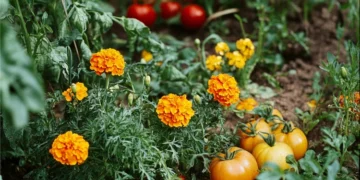
39. Use Companion Planting
Companion planting involves growing certain plants alongside one another because they may benefit from being together.
Some combinations are based on well-established gardening practices, while others are more anecdotal.
I enjoy experimenting with combinations while remembering that companion planting isn’t a substitute for good soil, sensible plant care and pest monitoring.
40. Rotate Vegetable Crops
Growing the same crop in the same soil year after year can contribute to pest and disease problems.
Crop rotation helps me vary what I grow in different parts of the vegetable garden.
It’s a simple old-fashioned gardening practice that still has plenty of value.
41. Avoid Peat-Based Compost
Peatlands are important ecosystems and carbon stores.
Choosing peat-free growing media is one practical way I can make more environmentally conscious choices when buying compost.
It’s worth checking the label carefully because not every product marketed as “eco-friendly” is necessarily peat-free.
42. Grow a Green Manure or Cover Crop
Green manures and cover crops can help protect soil when vegetable beds aren’t being used.
They can cover bare ground, contribute organic matter and form part of a more sustainable growing system.
The right choice depends on the season and the particular garden.
43. Plant a Fruit Tree
A fruit tree can provide years of harvests from one planting.
Apples, pears, plums, cherries and other fruit trees can also provide valuable habitat for wildlife.
It’s worth choosing a variety and rootstock suitable for the available space.
44. Grow More Flowers for Longer
I love having flowers in the garden, but I also like thinking about when those flowers are available.
By choosing plants that flower at different times, I can create a more continuous food supply for pollinators.
Spring, summer and autumn can all have their own flowering stars.
45. Leave Seed Heads for Birds
Dead flower heads aren’t always something I need to cut off immediately.
Plants such as sunflowers and many other seed-producing flowers can provide food for birds.
I can leave suitable seed heads standing through part of the colder season and tidy them later.
46. Create More Shade Naturally
Trees and larger shrubs can eventually provide valuable shade.
This can create cooler areas for people, plants and wildlife.
Strategic planting can also help make a garden more comfortable during hot weather.
Of course, I need to think about the eventual size of anything I plant.
47. Choose Durable Garden Furniture
When buying garden furniture, I try to think about longevity.
A durable item that lasts many years can be a better choice than something cheap that needs replacing repeatedly.
Second-hand furniture can also be an excellent sustainable option.
48. Don’t Chase Perfection
This might be the most important sustainable gardening idea of all.
I don’t need to have a perfectly weed-free lawn.
I don’t need every leaf cleared.
I don’t need every plant to look immaculate.
I don’t need to eliminate every insect.
A garden is a living place.
A few holes in leaves, some fallen petals and a little untidiness are signs that something is happening.
And I’d much rather have a garden that’s buzzing with life than one that’s spotless but offers very little to wildlife.
49. Learn to Observe Your Garden
One of the simplest sustainable gardening habits costs absolutely nothing.
Pay attention.
Watch where the rain goes.
Notice which plants thrive without much attention.
Look at which flowers attract bees.
See which areas dry out first.
Watch where birds feed.
Notice where insects shelter.
The more I understand my garden, the less I need to interfere with it.
And that can make gardening much easier.
50. Start Small and Keep Improving
Finally, don’t feel that you have to transform your garden overnight.
That would be my biggest piece of advice.
Choose one idea.
Start composting.
Plant a tree.
Add a water butt.
Create a wildlife corner.
Grow some vegetables.
Leave part of the lawn longer.
Try mulching.
Plant some native flowers.
Then see how it goes.
Once that becomes part of your normal gardening routine, try something else.
Sustainable gardening is not about being perfect.
It’s about making better choices where I can and gradually creating a garden that uses fewer resources, produces less waste and supports more life.
What Does a Truly Sustainable Garden Look Like?
I don’t think there’s one perfect answer.
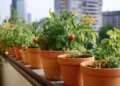
For one gardener, it might be a tiny balcony filled with herbs and pollinator-friendly flowers.
For someone else, it might be a huge vegetable garden with composting, rainwater collection and no-dig beds.
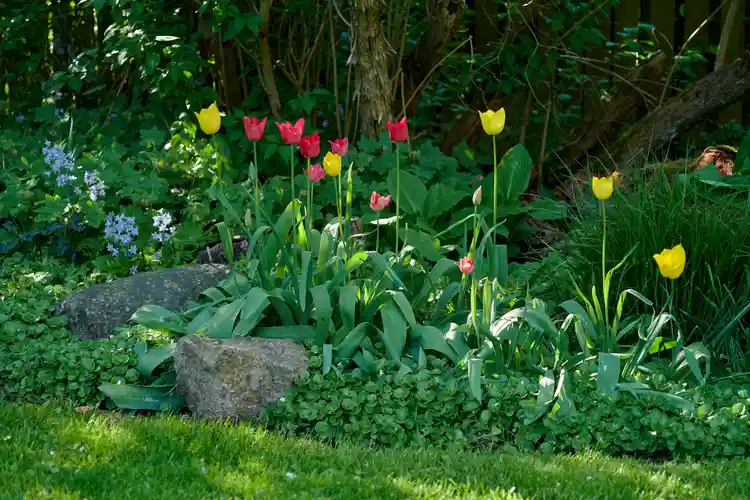
Another gardener might have a lawn, a few trees and a wildlife pond.
That’s the wonderful thing about gardening.
There isn’t one right way to do it.
For me, a sustainable garden is one that is healthy, productive, diverse and increasingly self-sufficient.
It’s a garden where I can return organic matter to the soil rather than constantly removing it.
It’s somewhere bees and butterflies can find food.
It’s somewhere birds can find shelter and seeds.
It’s a place where rainwater is used thoughtfully.
It’s a garden where I reuse what I can, waste less and don’t automatically reach for chemicals whenever something goes wrong.
And perhaps most importantly, it’s a garden I can actually enjoy.
My Final Thoughts on Making a Garden Greener
I think sometimes we make sustainable gardening sound much more complicated than it really is.
We imagine expensive rainwater systems, huge composting areas, specialist equipment and elaborate wildlife habitats.
But some of the best things we can do are incredibly ordinary.
Compost your peelings.
Leave some leaves.
Plant flowers.
Collect rainwater.
Grow something to eat.
Use what you already have.
Let a little grass grow longer.
Give insects somewhere to live.
Look after the soil.
And don’t worry if you can’t do everything.
I certainly can’t.
The aim isn’t to create a perfect sustainable garden overnight. It’s to gradually make choices that help our gardens become healthier and more resilient.
And I think there’s something rather lovely about that.
A garden is never really finished. Every year gives us another opportunity to improve the soil, try a new plant, welcome another bit of wildlife and discover another way of working with nature.
So I’ll keep learning, experimenting and making small changes.
Because if my garden can become a little greener, a little wilder, a little more productive and a little kinder to nature every year, I reckon I’m heading in the right direction.