When it comes to gardening, vegetable gardening is more than just a hobby, it’s a way to grow fresh, nutritious produce right in your own backyard.
Perennial vegetables provide the added bonus of being a sustainable practice that is significantly less time-consuming since they will return year after year with minimal maintenance.
When planning your perennial vegetable garden you’ll want to create a space that will supply you with a bountiful and virtually endless harvest of delicious produce, and that’s exactly what this guide will show you how to do.
What Are Perennial Vegetables?
Perennial vegetables are plants that live for more than two years, returning each season to produce edible parts like leaves, roots, or seeds.
In contrast to annuals, which complete their life cycle in a single growing season, perennials go on to grow and produce year after year, and many even get better as time goes by.
One of the reasons perennials are so highly valued is their low maintenance.
Often they can be planted once, then virtually forgotten, yet still yield bountiful supplies of edible greens.
Perennial vegetables have a high level of soil building capabilities and are also prized for producing food in the spring and summer months, and in winter they can even help save for the summer months that are to come.
Perennials are characterised by their long-lived root systems, and ability to survive in tough weather conditions. Hardiness and drought tolerance make perennials also free up to save you hassle with frequent watering or replanting.
Some popular perennial vegetables include:
-
Asparagus
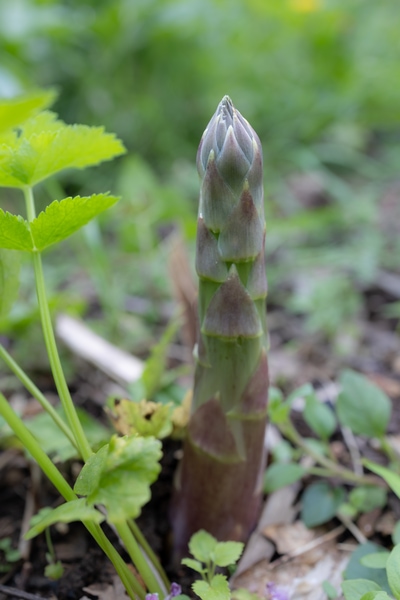
When it comes to growing a vegetable garden, asparagus is one of the most popular and reliable perennials, prized for its tender, flavorful spears and long-term productivity. Thanks to its ability to produce for 15 to 20 years once established, outshining the 12 months of annual vegetables.
Growth, or rather its beginning, is in the crowns – which are one to two year old root systems that go underground.
When it comes spring time, these crowns send out spears that burst out of the soil and are ready to be picked for about eight weeks, then turn into a fern-like plant which still makes food for itself and puts away energy in the roots for the next year.
Well-known for reducing the need for annual planting, saving you time and elbow grease, asparagus is also sending its roots deep into the earth, sorting out the soil, and preventing soil erosion.
Coming loaded with vitamins A, C, E, and K, fibre and antioxidants, it’s basically a nutritional powerhouse.
Now, if you do decide to plant asparagus, you’ll want to do it in soil that drains well, gets full sun, and has raised beds or mounded rows to avoid waterlogging.
A layer of mulch is also good for keeping the soil moist and suppressing weeds, and don’t expect anything much in the first two years, but it’ll be worth the wait, as the full production kicks in from year three.
asparagus plant -
Rhubarb
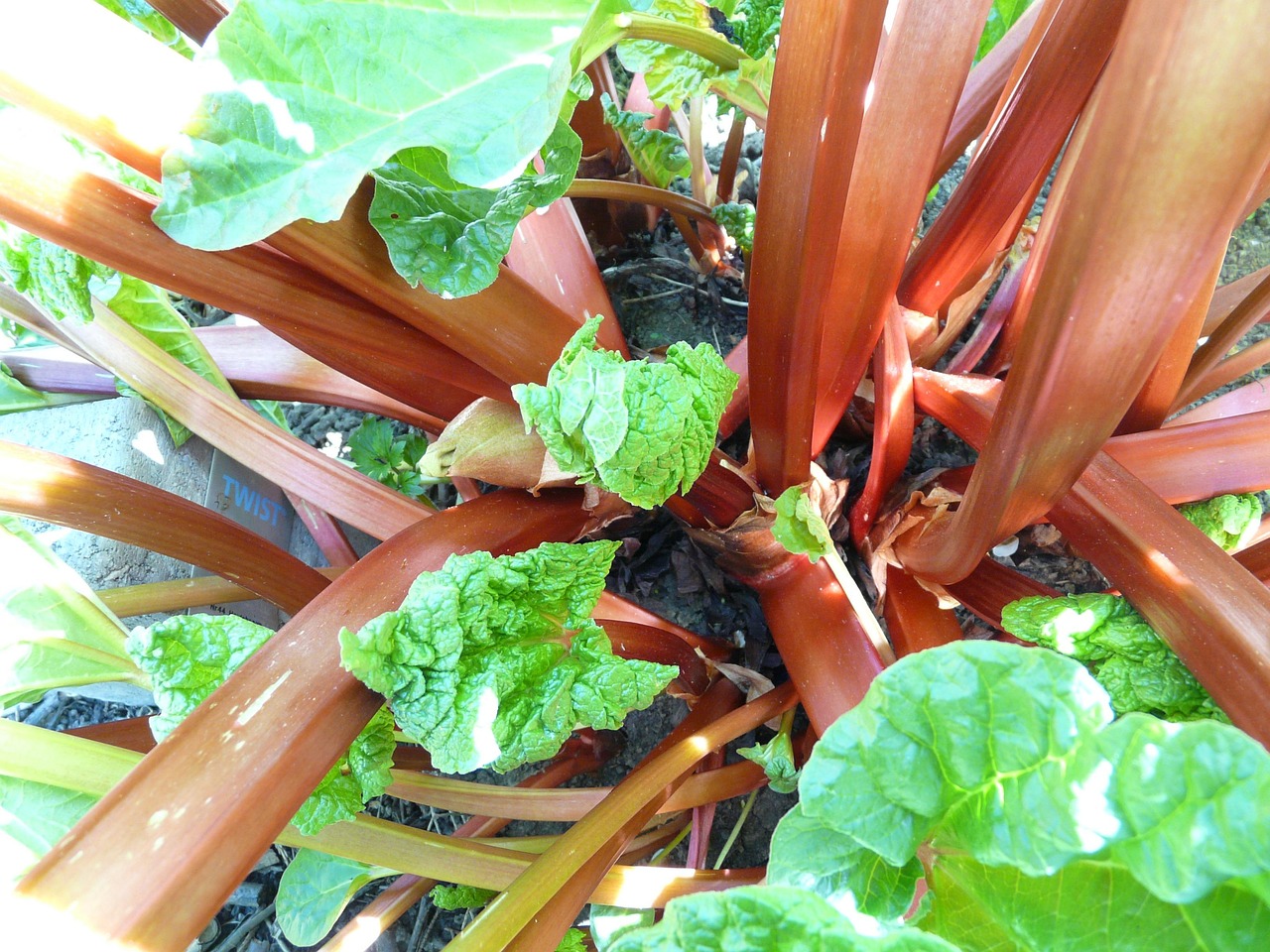
For rhubarb, Rheum rhabarbarum is the variety you’re looking at. A hardy perennial veggie that’s famous for its tart and delicious stalks.
Coming back year after year from its well-established crown, rhubarb is essentially a low-maintenance crop that will give you a reliable harvest for a decade or more with practically no care.
Rhubarb puts out its striking, triangular leaves on the top of thick, edible stalks every spring and has a reputation for producing fibre-rich, vitamin-packed and antioxidant-filled stalks, but you shouldn’t eat the leaves, they’re toxic.
After you’ve picked the stalks, the rhubarb develops a deep, sprawling root system and a new set of foliage that stores up energy for the following year, making it a very low-maintenance crop.
Well-known as a perennial, rhubarb reduces labor as it doesn’t need annual replanting, has a positive effect on the soil, and is able to thrive in the chilliest of temperatures with just a little bit of protection.
When planting, make sure to put the crown in well-drained, fertile soil with full or partial sun, mulch to keep things watered and weed-free, and avoid harvesting in the first year so the plant can get established, then, you can start picking those lovely stalks.
-
Jerusalem artichokes
Jerusalem artichokes, or sunchokes, are a unique and valuable addition to any garden. These perennials are actually Helianthus tuberosus and can be found year after year because they grow back from their underground storage systems, minimising the need for replanting.
Coming from the same family as sunflowers, Jerusalem artichokes shoot up with tall, leafy stalks and brilliant yellow flowers in the late summer, beneath the ground they create knobby, potato-like tubers that have a lovely sweetness and crunch.
These tubers are essentially energy storage systems that let the plant get through winter, and when the time comes in the spring, it sends out brand-new shoots. Over time the plant starts to spread out through its rhizomes, and can form massive clumps that will last for years if properly managed.
Jerusalem artichokes are easier to care for than annual root crops, they’re very hardy, and can grow in a wide range of soils, even in full sun. The deep roots of these plants also sort out the soil and stop erosion. Well-known for being rich in inulin, a prebiotic fibre that’s fantastic for our tummies.
When planting, you need to plant the tubers in the spring in well-drained, rich soil and space them about 12-18 inches apart, so they have room to grow.
Mulching is also a great idea to keep the soil moist and weeds at bay, but because Jerusalem artichokes can get a bit out of control, make sure you dig up all the tubers and keep an eye on the new shoots so the clump doesn’t get too crowded.
-
Sorrel and perpetual spinach
For leafy greens, perennial vegetables like Sorrel (Rumex acetosa) and Perpetual Spinach (Beta vulgaris varieties) are basically the epitome of reliable and nutritious. Coming back year after year, these perennials outdo annual vegetables that need replanting every time they’re gone.
Sorrel is a hardy, fast-growing perennial known for its distinctive lemon-flavored leaves that are rich in vitamin C, iron and antioxidants, a perfect addition to salads, soups, and sauces.
The plant’s extensive root system and deep roots help it survive through the winter and in the spring, it just kicks back into high gear and delivers edible leaves for anything between 3 to 5 years or longer if you don’t even lift a finger.
Sorrel loves well-drained, fertile soil and partial to full sun. Regular picking of the outer leaves makes the plant keep growing and doesn’t let it start flowering too early, when the leaves turn unpalatable.
Perpetual spinach, a type of spinach that acts more like a perennial, provides large, luscious leaves that flow from the plant from the spring right through autumn.
It’s more heat-tolerant than the annual kind, too, this means it won’t bolt in warmer weather, which would otherwise make the leaves unpleasantly bitter.
Its nutrient-rich leaves are packed with vitamins A, C and K plus the essential minerals, and it does best in rich, moist, well-drained soil and partial to full sun. Harvesting leaves here and there will keep the plant going.
By planting sorrel and perpetual spinach, you’re cutting down on work, as you don’t need to re-seed every year, these perennials will sort out their own soil health, stop erosion, and get the ball rolling for you in the early season when everything else is still sleeping.
A bit of mulching, the odd feed and regular snipping will be all that’s required to keep these hardy plants happy and productive.
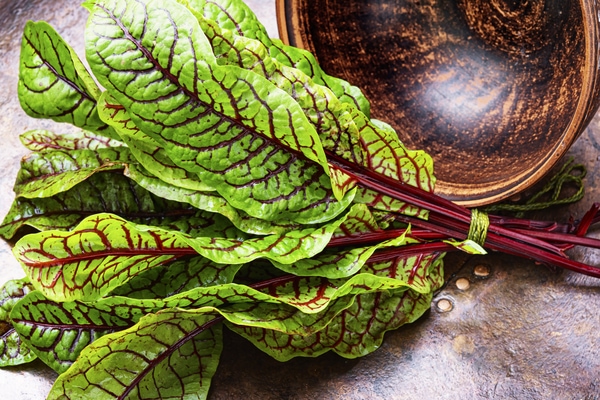
sorrel – bloody mary -
Walking Onions
In relation to perennials, walking onions, also known to as Egyptian onions or top-setting onions, stand out from the crowd.
Coming back year after year, these hardy vegetables are a unique gem of the garden and have a funny way of producing clusters of edible small onions at the tips of their stalks, which bend to the ground and ‘walk’ to new planting sites, which explains the name.
Growth and characteristics, walking onions send up long, very slender green stems with bulbils on top in the summer.
These bulbils can be picked, re-planted or left to drop to the ground where they’ll establish brand-new plants, something they’re renowned for.
The subterranean bulbs are comparable to regular onions, but smaller in size, the stalks and leaves too are edible, and bring a mild onion flavour. They are staggeringly productive, spreading out gradually, yet still offering a nice and simple harvest cycle.
As a low-maintenance, sustainable option, walking onions virtually eliminate the need for annual planting and their ability to grow in various types of soil and weather makes them very adaptable. Coming from the bulbils or the mature bulbs, we have a steady supply of food and the green stalks can be cut several times during the growing season.
Growing walking onions is not difficult, plant them in well-drained, nutrient-rich soil that gets lots of sunlight, with 6-8 inches between each bulb or set, a layer of mulch will also sort out any water and weed issues.
Let some of the bulbils drop naturally to the ground to multiply the crop, or collect them and plant them where you want more onions.
Benefits of Growing Perennial Vegetables
- Less Labor: When you’ve got perennials in your garden, you’ll be able to plant them once and they’ll return year after year. This makes them very low-maintenance, as they don’t need to be replanted.
- Soil Health: When it comes to perennials they’re doing their part to keep the soil healthy over the years, and coming back for more, too.
However, if you’re planting them close to existing foundations, the extensive roots can be a problem, because they can lift the ground beneath the foundation.
But, they do reduce erosion, which is basically a top priority.
- Biodiversity: When planting a garden, adding perennial vegetables is a great way to shake up the usual crop rotation and add a lot of plant diversity to the mix.
This can be especially beneficial for attracting pollinators and other beneficial insects.
- Sustainability: When you choose perennials, you’re planting a garden that will have a longer lifespan and less waste.
Coming back year after year, perennials require less work and resources compared to annuals, which need constant replanting.
- Long-Term Yield: When planting perennials, the investment in initial care is just the beginning, as these vegetables will go on to yield a year-after-year supply of fresh produce.
Planting and Cultivating Perennial Vegetables
Choosing the Right Location
When growing perennials, you’ll want to make sure they’re getting at least six to eight hours of sunlight each day.
So, choose a spot in your garden that’s nice and sunny.
Perennial vegetables need well-drained, nutrient-rich soil, and a soil test will help you determine the pH of your soil.
It’s a good idea to amend your soil as needed to make sure your crops are getting all they need.
Most perennials are going to need adequate water, although some are quite drought-tolerant, and can cut back on the watering once established.
Preparing the Soil
When preparing your perennials for the growing season clear the area of any weeds and debris that could interfere with the roots of your plants.
You’ll also want to give the soil a good boost, by adding compost or well-rotted manure, and if you don’t have a garden bed that’s up to scratch, a pot can be used to create a raised bed that will give your plants the drainage they need.
Planting Your Perennials
- Timing: Depending on the region, fall or early spring is the best time to plant. Late summer is also a good option for those in milder climates.
- Spacing: Check specific spacing requirements for each plant type to prevent overcrowding, which can lead to disease and poor growth.
- Companion Planting: Pairing perennial vegetables with compatible plants can enhance growth and deter pests. Consider planting garlic with asparagus or chives with rhubarb.
Watering and Fertilizing
Watering
When planting perennial vegetables you’ll be able to water them less than annuals, but still need to give them regular hydration, especially when they’re getting established.
Deep waterings, which involve giving the soil a good soaking but only doing so every now and then, will also help your perennials develop a strong root system.
Mulching is also a great way to conserve water and prevent weeds, using organic mulch will also improve the health of the soil over time.
Fertilizing
When it comes to perennial plants, they can be quite resilient in nutrient management, outshining annuals in many ways. They are still, however, boosted by a bit of fertilization to give them a much-needed nutritional lift.
Organic options for perennials, for example, are abundant. You can give your perennials a kickstart with compost, a shot of fish emulsion, or a balanced fertilizer every other year to top off their nutrient levels.
Pest and Disease Management
Common Pests
- Aphids: These tiny pests can be managed with water sprays or natural predators like ladybugs.
- Slugs and Snails: Handpick these nocturnal attackers or create barriers with crushed eggshells.
Diseases
- Fungal Issues: Look out for powdery mildew and root rot; good air circulation and well-drained soil can help prevent these problems.
- Close Monitoring: Regularly check your plants for any signs of disease or pest infestation, and act quickly if you notice anything unusual.
Seasonal Care
When planting perennials, Spring is the ideal time. Clearing away the winter debris is also necessary.
Summer, being the time of the year when you’ve got to keep everything watered and weeds in check, will also bring your first harvest from the plants that have taken hold.
Fall, being the time for pruning, has asparagus and rhubarb in particular that need a haircut, and cleaning out the area is crucial to stop pests from overwintering.
Winter has got some varieties that require extra special care, often mulching or shielding them from harsh conditions, especially in areas with cold snaps.
Common Questions About Perennial Vegetables
1. How long does it take for perennial vegetables to establish?
Most perennial vegetables take one to three years to become fully established, though the wait is worth it for the future harvests. Asparagus, for example, can take three years before significant yields are produced.
2. Can perennial vegetables be grown in containers?
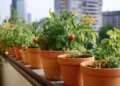
Yes! Many perennial vegetables can thrive in pots, making them suitable for small spaces. Ensure your containers are large enough to accommodate root development and have good drainage.
3. How do I know if my perennial vegetables need water?
The best way to check if your plants need water is by touching the soil. If it feels dry several inches below the surface, it’s time to water.
4. Can perennial vegetables grow in shade?
While most perennial vegetables prefer full sun, some, like sorrel and certain types of kale, can tolerate partial shade, making them versatile options for shadier garden areas.
5. Should I rotate my perennial vegetables?
Unlike annual crops, perennials do not require rotation. However, it’s a good idea to keep an eye on soil health and nutrient levels, especially if you have a large garden with various crops.
Summary
When it comes to gardening, there’s a type of vegetable growing that’s low-maintenance, sustainable and provides a multi-decade return on investment.
Perennial vegetables are a great way to add a nutritious and rich assortment of crops to your garden with minimal work.
With the right plants, space and care you can be well on your way to growing a stunningly successful and vibrant vegetable garden.
Having perused this guide, you now possess the know-how to create an oasis of thriving vegetable perennials.
A patient and loving hand will see your garden bloom, become a source of joy and nourishment, and provide a yield of bountiful delights year after year. And there’s a beautiful magic that’s going to enchant your growing experience and delight you, you’ll never run out of fresh vegetables in your life.